
I noticed my Audi’s windshield kept fogging up, even when parked. I suspected a water leak, and I was right… Arrgh!! Wet carpets drive me crazy. We have to take care of this now; water leaks only get worse.
And here’s the nasty part…
By the time you notice wet carpets or fogged windows, the leak has likely been there for a while.
Modern cars hide wiring looms, connectors, airbags, and control modules under carpets. Leave a water leak untreated long enough, and you can end up chasing electrical gremlins that cost far more than the original leak itself.

Simple stuff first. Let’s find where the water’s getting in.
The top five causes of wet car mats include:
- Blocked windshield cowl drain
- Blocked air conditioning drain
- Leaking heating system
- Blocked sunroof drain
- Windshield seal fault
YOUR CAR JUST SAID “UH-OH.”

Warning light? Won’t start? Weird noise?
Something smells expensive?
DON’T PANIC. KNOW WHAT TO DO NEXT.
The New Driver’s Breakdown Guide gives you the car know-how nobody taught you.

Apart from being annoying, a leak can potentially create many other very expensive problems.
In this post, I’ll cover the top five causes of wet carpets and what you can do about them.
Fog on the window is, as you know, a symptom of a water leak, and it can be super dangerous. Using your HVAC system correctly will at least help minimise the fog until you can nail the repair.


I wrote a post about correct HVAC use and some tips for reducing fog on windows; you can check it out here – Car windows fog up when the heat is on
The Problem With Water Leaks
Some water leaks go undetected for years, and that’s when water damage becomes irreversible. The water inside your car can cause all sorts of horrible problems, some of which can be a hazard to your health. Here’s a list of just some of the problems with undetected water leaks:
- Bacteria and mold
- Corrosion
- Intermittent no-starts
- Premature component failure
- Wiring faults
- Control module failure
- Carpet rot
Wet Carpet Quick Clues
Sometimes the location and smell of the water leak can point you straight to the problem area.
| Symptom | Most Likely Cause |
|---|---|
| Passenger footwell wet | A/C drain or heater core |
| Wet after heavy rain | Cowl drain, windshield seal, or sunroof drain |
| Sweet smell inside cabin | Heater core leak |
| Wet trunk or spare wheel well | Tail light seal or hatch seal |
| Sloshing sound inside door | Blocked door drains |
| Fogged windows every morning | Coolant leak or trapped moisture |
1 Blocked Windshield Cowl Drain


The windshield cowl drain is the cover at the bottom of the windshield. On most cars, it’s plastic, and on older cars, it may be louvred metal.
Anyway, water is designed to run down the windshield where it’s guttered into a cowl drain. The drain will catch and prevent large debris from passing through the firewall.


The firewall or bulkhead drain is usually part of the vehicle’s metal structure and is designed to channel rainwater to drains on either side of the car.
So what’s the problem?
The cowl, unfortunately, doesn’t catch all the debris; pine needles, for instance, will pass through and eventually block the firewall drains. When this happens, as you can imagine, the water backs up, submerges body seams and grommets, and then you notice damp carpets.

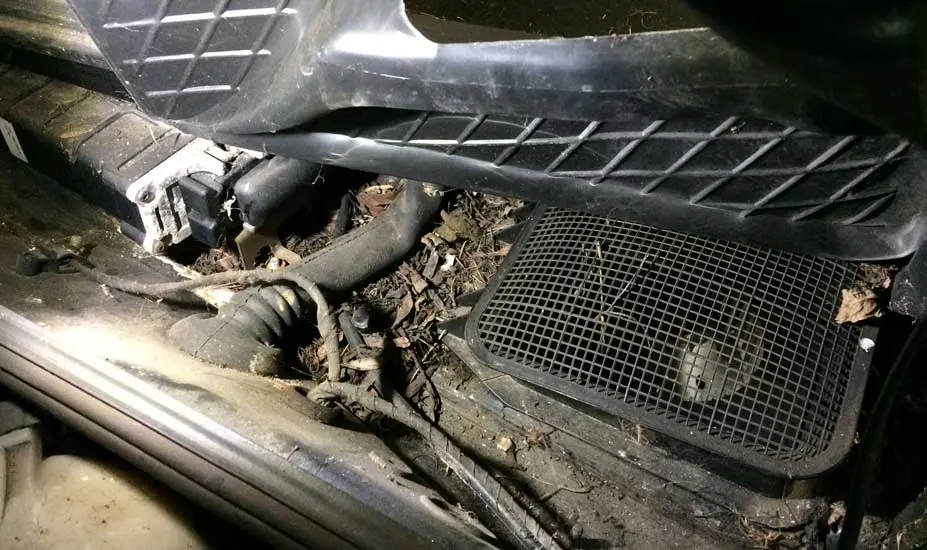
The fix here is easy, so long as the water inside the car hasn’t caused any wiring corrosion.


Most cars provide sufficient access to the cowl and bulkhead drains without much difficulty.
What can I check?
Pop your hood and check either side of the cowl; the drains will be pretty obvious. Remove leaves and crap from the drain. Check for any standing water behind the cowl; you can usually peer through or use your phone light to find the firewall drains; they’re usually close to or below the cowl drains.


A metal coat hanger makes a good tool for poking through the firewall drains.
HVAC assembly air intake drain
Some models may install a drain hose under the cabin carpet. It’s designed to carry away any condensation or rainwater entering the HVAC air intake assembly. The drain exit is on the underside. Check if your vehicle has a drain and that it’s clear.
A workshop manual covers such details, and you’ll find a link to the workshop manuals I use here on the Mechanics tools page.
2 Blocked Air Conditioning Drain


If your car has air conditioning, and most do today, then it will have an air conditioner drain. Just like a household fridge, your car’s air conditioner will cause condensation.
The A/C evaporator is an important system component; it’s fitted just behind the dashboard and removes hot air from your car.
The evaporator is ice cold; as you know, hot and cold air will cause moisture to form on a surface. The evaporator is designed to handle this; moisture is channelled from the evaporator through the firewall and released onto the ground.
So what’s the problem?


The rubber drain on the engine side of the firewall clogs with debris, allowing moisture to build up and overflow inside the car.
The air conditioner drain is pictured from inside the cabin.
As the evaporator is positioned behind the dashboard, it can cause the front carpets to become damp, especially the passenger-side footwell.
What can I check?
The problem may only be noticeable when the a/c system is running. But when your car is parked with the a/c on, a pool of water should be noticeable under the car to the rear of the engine. The liquid on the ground should be clear; any colour in the fluid indicates a different leak.
While finding no condensation drip under the car isn’t conclusive of a blocked drain, it does warrant further investigation.
First, check the location of your a/c drain. Do a quick Google search for your model; it may be listed in your driver’s manual, or consult a workshop manual.
With the drain located, usually on the firewall (Metal body structure between the engine and cabin), reach down and pinch the end of the drain tube with your hand. That’s enough to clear the blockage; if not, use a suitable object to pass through the drain tube. (nothing sharp)
3 Blocked Door Drains
Most drivers don’t realise this, but rainwater actually enters your doors every time it rains
That sounds wrong, but it’s perfectly normal.
Water passes the outer window seals and drains safely out through small drain holes at the bottom of the door.
So what’s the problem?
The drain holes block up with dirt, leaves, road grime, or even wax treatments. Water then builds up inside the door shell until it spills over the inner lip and onto the carpet.
Sometimes you’ll even hear water sloshing around inside the door when cornering.
What can I check?
Open the door and inspect the underside carefully. You’ll usually spot several small drain holes along the bottom seam.
If blocked, use a plastic trim tool, cable tie, or small screwdriver carefully to clear them.
Be prepared… sometimes a surprising amount of water comes pouring out.
If the carpets are still getting wet after clearing the drains, check the door membrane behind the interior door card.
4 Door Membrane Leak
This one catches loads of people out.
Behind the interior door panel sits a plastic vapor barrier or membrane. Its job is to stop water inside the door from entering the cabin.
The membrane is sealed using a sticky butyl-type adhesive.
So what’s the problem?
Over time, the adhesive fails, especially after speaker repairs, window regulator work, or previous door repairs.
When this happens, water runs down inside the door and straight behind the membrane onto the carpet.
I see this a lot on VW, Audi, BMW, and Mercedes models.
What can I check?
Usually, the carpet nearest the door sill will be soaked after rain.
Remove the interior door trim and inspect the membrane carefully for gaps, tears, or loose sections.
Resealing the membrane with automotive butyl tape usually fixes the issue.
Avoid household silicone sealers; they generally don’t last and make future repairs miserable.
5 Cabin Air Filter Housing Leak
On many modern cars, the cabin air filter housing sits just below the windshield cowl.
If the housing seal leaks or the plastic housing cracks, rainwater can enter directly into the HVAC assembly and soak the passenger-side floor.
So what’s the problem?
Plastic housings warp with age and heat cycles. Previous repairs or poor-quality aftermarket filters can also prevent the housing from sealing correctly.
This is especially common on some VW Group, BMW, and Ford models.
What can I check?
If the passenger footwell becomes wet mainly after heavy rain — but not from A/C use — this area deserves inspection.
Remove the cabin filter and check for signs of moisture, water staining, or debris inside the housing.
Often, the fix is as simple as resealing the housing or replacing the gasket.
6 Leaking Heating System


Your car’s cooling system takes hot coolant (yes, I see the irony) and plumbs it into the cabin.
The hot coolant (water and antifreeze) is sent through a heater core (like a mini-radiator), where the heater fan blows the heat from the core into the cabin. The cold coolant returns to the engine to be heated again, and so the cycle goes.


Fitting a new heater core isn’t fun – it’s a dashboard out-type mission.
So what’s the problem?
Coolant should be changed every three years, as it degrades over time. Old coolant allows corrosion to take hold, and it’s acidic, which attacks metal, rubber, and plastic components, breaking them down.
A heater core, unfortunately, is one of the more fragile components, liable to be damaged by frost, corrosion, and plain old wear and tear. As they’re filled with coolant, they leak all over the cabin when they break.
If your core leaks, you’ll likely experience other HVAC symptoms, such as erratic heater performance. I wrote a post about heating system leaks, and you can check it out here – Heater only works when driving
Check out No heat at idle post also; it covers coolant leaks too.
What can I check?
If you suspect a coolant leak, you may have a few of the following symptoms:
- Chesty cough
- Fogged windows
- Low coolant level
- Sweet smell inside the car
- Damp carpets
- Mold and stale smell

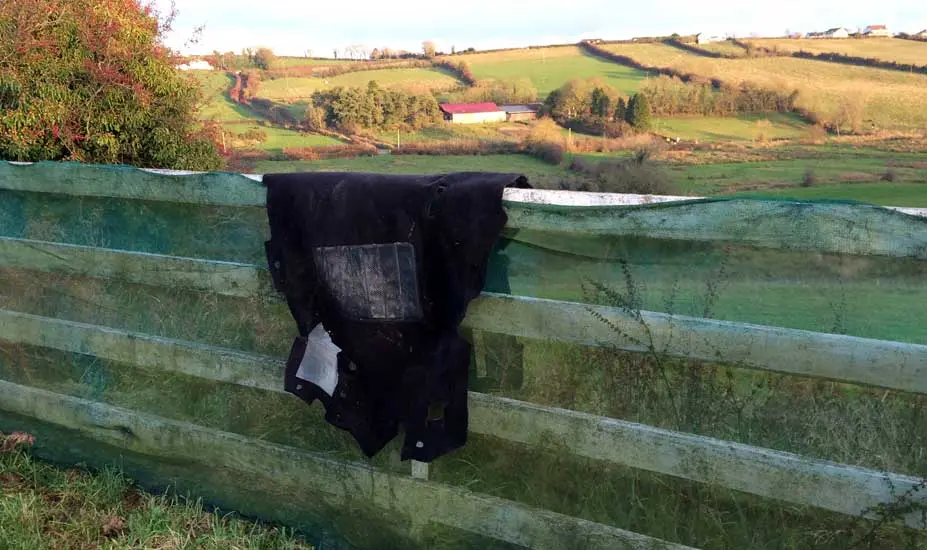
Strip out the carpets and check the colour of any pooling water; it may have a pink, greenish, or yellow look. Coolant will feel sticky and irritate the skin.
Take a look under the dash at the centre console, and try to locate where the two coolant pipes travel through the firewall.


They will often offer a tell-tale leak or drip stain on the pipe fitting.
Unfortunately, replacing the heater core is one of those difficult jobs. The dash and the heater assembly will need to be removed. More than one Saturday is needed.
If you need tools to nail this repair, check out the – Mechanics tools page
7 Blocked Sunroof Drain
You can skip this one if your car doesn’t have a sunroof.


The sunroof is a fantastic feature; who doesn’t like the wind in your hair and your tongue flapping about? I know our dog Sammy loves it.
If your sunroof is a tilt-and-slide type, it’ll have roof guttering and drains. One at each corner carries any rainwater that enters the sunroof assembly.


Attached to each of the four assembly drains is a flexible hose, fitted inside the roof pillars, that carries the water to the ground.
So what’s the problem?
Three problems are common. Blockages, disconnected pipework, and corrosion at the roof assembly drain spout. As you can imagine, all led to a water leak inside the car. Gravity does its job, carrying it to the carpet.
Leaking sunroof assembly seals aren’t common, but they do happen. The sunroof assembly is fitted as a complete unit and sealed to the underside of the roof before the headliners and windshield are fitted.


The seal will degrade over time, potentially causing a leak. If this happens, the assembly will need to be removed and resealed.
What can I check?
Open your sunroof, park on level, dry ground, and prepare a water jug. Pour water into each of the four corners of the sunroof, and check that it emerges quickly onto the ground.


Note that you won’t be able to see either rear corner drain; you’ll have to make do by pouring the water into the gutter toward the drain.
If you find a blockage, you’ll need a coat hanger to have a poke around; poking and testing can work well.
However, if you find there’s a problem with the rear drains, access can be difficult. Often, the headcloth may need to be removed to inspect the rear drain outlets, but do a Google search for your particular model first. Often, you’ll find your car is prone to a particular leak.
8 Windshield Seal Fault


With the exception of classic cars, most windshields are bonded in. A liquid bead of sealer is laid around the window frame, and the windshield is pressed into it.
The sealer cures within twenty-four hours and is weatherproof. It’s a fast and efficient way to fit windshields.
So what’s the problem?
The sealer breaks down after several years; temperature extremes will shorten its life. Generally, factory-fitted windshields don’t give much trouble. However, I’ve found problems with after-market windshields.

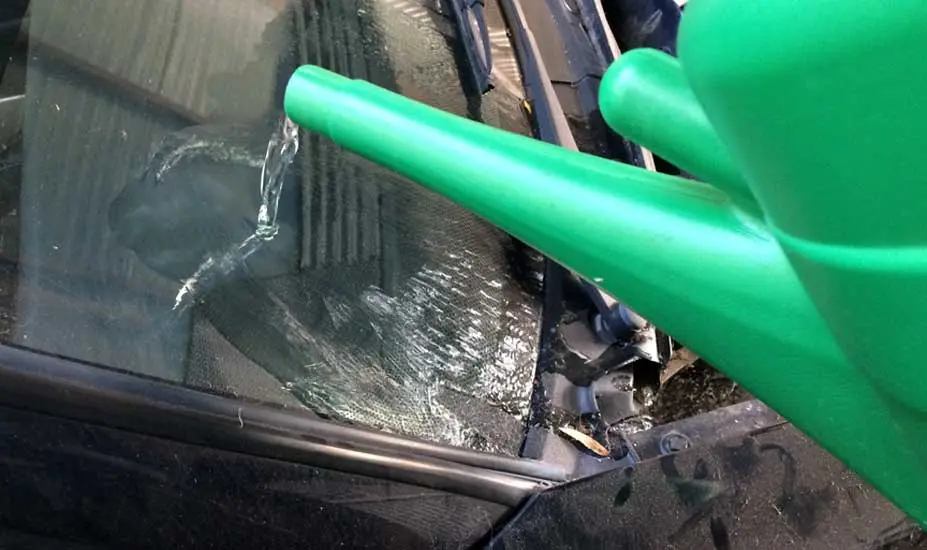
The old sealer can be difficult to remove, which can cause problems with new windshield alignment, missing sealer beads, incorrect window trim, and cowl fitting.
What can I check?
Remove the wet carpet and underlay to access the suspected leak area. Ideally, this is a two-person job. Using a hosepipe, start at the windshield pillar and keep the hose running; leaks often take a while to appear.
Have your helper hold the hose while you sit inside the car, checking for the leak; a hand light will make it easier. Working systematically from the bottom up will help isolate the leak.
Windshield leaks will often trickle from the kick panel area. Finding water leaks takes patience and common sense. If you find that a window seal is a root cause, you’ll need to reseal the windshield.
I use J-B Weld ATV sealer. It’s easy to use, works great on windshields, and can also be used as a gasket maker. Check it out here on Amazon.com.
9 Tail Light Seal Leak
Hatchbacks, SUVs, and wagons commonly suffer from tail light seal leaks.
The tail light assemblies seal against the body using foam or rubber gaskets. Over time these seals flatten, crack, or shrink.
So what’s the problem?
Rainwater enters around the taillight assembly and runs into the trunk or spare wheel well.
Once the spare wheel well fills, the water often travels forward under the carpet into the rear footwells.
Because the leak starts in the rear of the vehicle, it can easily fool you into thinking the water is entering somewhere else entirely.
What can I check?
Lift the trunk floor and inspect the spare wheel well carefully.
If you find standing water, remove interior trim panels around the tail lights and look for water trails or staining.
Condensation inside the tail light lens itself is also a strong clue.
Replacing the tail light seals or applying automotive butyl sealant usually solves the issue.
10 Body Seam Leak
When fitted to the shell, car body panels are spot-welded. That means the joint isn’t weatherproof until they run a bead of sealer across the joint.


You’ll recognise the sealer; it’s often most visible in the trunk and door jams, but it’s used extensively throughout the car. The sealer is applied by the machine and is overpainted.
So what’s the problem?
The missing sealer allows water to leak inside the cabin. After twenty-plus years as a mechanic, I’m often surprised at the volume of water even the teeniest hole can cause.
Missing body sealers can be difficult to find. In my experience, this can happen to cars that were in an accident; even a small impact can cause the sealer to break and a seam to open.


But brand-new cars aren’t immune either; I’ve had to fix water leaks on cars with no miles on the clock.
So what can I check?
First off, ask yourself what’s new: any small accidents lately? Even a bumper nudge can do it. Are any accessories fitted or repair work done?
Body seam leaks can be notoriously difficult to find, mostly because they’re not visible. Even if you could see the seam, the fault isn’t visible. In addition, rainwater runs across different panel surfaces depending on the terrain’s angle. I’ve had cars that don’t leak when tested on the level workshop floor, but when parked on a hill, they leak like a creek.
Mostly, this is systematic checking of different areas of the car at different angles; you may already have some personal experience of when it’s worst. That’s the kind of info that’s really useful with this kind of detective work.
Who needs luck when you have patience and tenacity? I’ve had success by stripping the interior and using a shop jack to raise the car to simulate different types of terrain slopes.
When you find the location, you’ll need a filler that can withstand body flex but remain strong. Oh, and a sealer that will prevent rust from taking hold; for that job, I trust POR15 Patch; it does the business. You can check it out here on Amazon.com.
11 Condensation Sweat

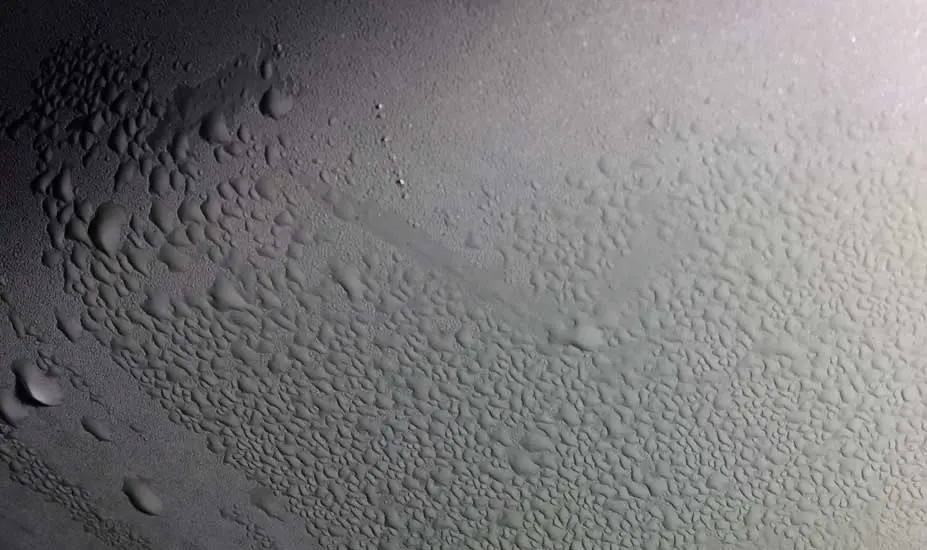
This one is a rarity but worth checking. You already know condensation forms on a surface where hot and cold air meet.
This one is a rarity but worth checking. You already know condensation forms on a surface where hot and cold air meet.
Exhaust catalytic converters get extremely hot, and manufacturers place insulation to reflect the heat where they pass close to the underside of the chassis.
So what’s the problem?
Cars age, and the insulation falls off. It seems trivial then, and you may even have said, “Naa, doesn’t need it.” Fast forward a few months, and you may find your carpets wet and never find the water leak.
What can I check?
Just take a look under the car where the carpet is wet. If you’ve got a hot exhaust right there and maybe no insulation, you may have found your problem.
Fitting new insulation over the exhaust or even under the carpet inside the car will help prevent sweat.
You may find the following posts helpful:
- Car windows fog up when the heat is on
- Why do cars overheat?
- No heat at idle
- Beginner’s car maintenance index
Related Questions
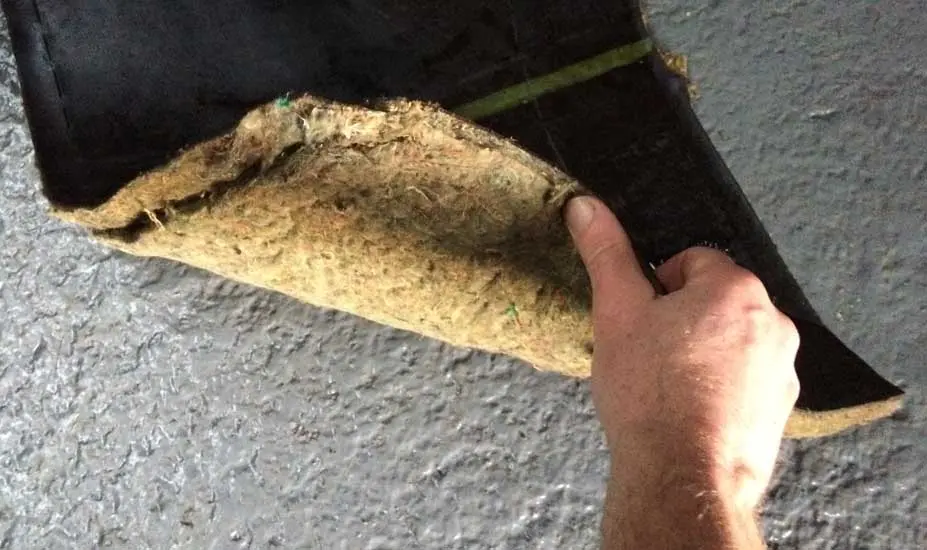
How do you dry out wet carpet? Wet auto carpet must be removed and hung over a fence or similar to drip dry. The heavy insulation may take several days to dry completely.
- About the Author
- Latest Posts


John Cunningham is an Automotive Technician and writer on Rustyautos.com. He’s been a mechanic for over twenty-five years and has worked for GM, Volvo, Volkswagen, Land Rover, and Jaguar dealerships.
John uses his know-how and experience to write articles that help fellow gearheads with all aspects of vehicle ownership, including maintenance, repair, and troubleshooting.