Filling up way more often than usual? If your car’s drinking like a sailor on shore leave, something’s wrong.
Why It Happens
Engines are designed to run at a sweet spot of air, fuel, and spark. When that balance tips, the ECU compensates by dumping more fuel. Could be sensors lying, injectors leaking, or tires dragging. Sometimes it’s simple — like underinflated tires. Other times it’s a failing O2 sensor quietly killing your MPG.
Most Common Causes
- Low tire pressure – kills economy faster than you think.
- Clogged air filter – chokes airflow, engine burns more fuel.
- Faulty oxygen sensor – ECU dumps fuel, cat suffers.
- Dirty fuel injectors – poor spray pattern wastes fuel.
- Dragging brakes – caliper stuck, car fights itself.
- Short trips/cold weather – engine never warms up, efficiency tanks.
What You Can Check
- Check and inflate tires to the door-sticker spec.
- Pull the air filter — if it’s dark and clogged, replace it.
- Note if the check engine light is on — scan for O2 sensor or fuel trim codes.
- After a drive, feel your wheels. One hotter than the rest? Dragging brake.
- Track your mileage over a couple of tanks — not just one fill-up.
What a Mechanic Will Check
- Scan ECU for sensor faults (O2, MAF, fuel trims).
- Test fuel injectors for spray and leaks.
- Inspect brakes and wheel bearings for drag.
- Run compression or leak-down tests if internal wear suspected.
Ballpark Repair Costs
- Tire inflation/rotation: Free–$50.
- New air filter: $30–$70.
- O2 sensor replacement: $150–$300.
- Injector service/replacement: $150–$400 each.
- Brake caliper replacement: $250–$500 each.
When to Call It Quits
A couple MPG lost in winter? Normal. But if you’re suddenly down 20–30%, don’t shrug it off. Burning excess fuel hurts your wallet, clogs your cat, and can toast the engine over time.
YOUR CAR JUST SAID “UH-OH.”
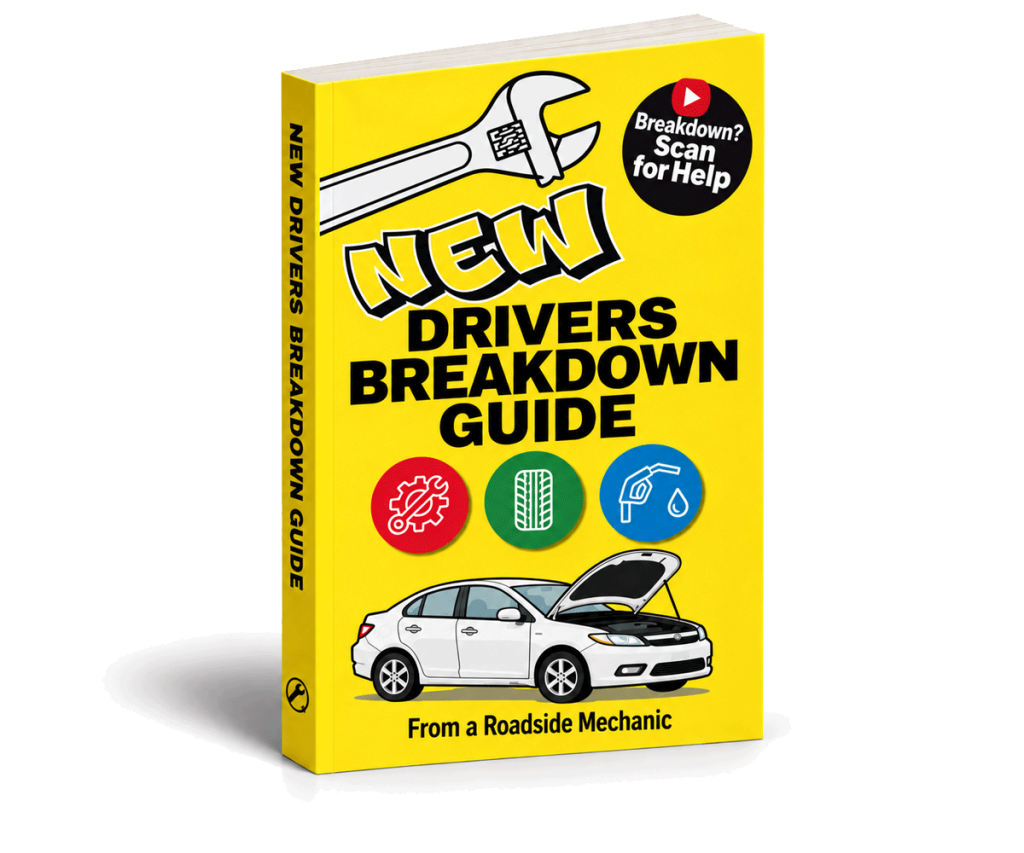
Warning light? Won’t start? Weird noise?
Something smells expensive?
DON’T PANIC. KNOW WHAT TO DO NEXT.
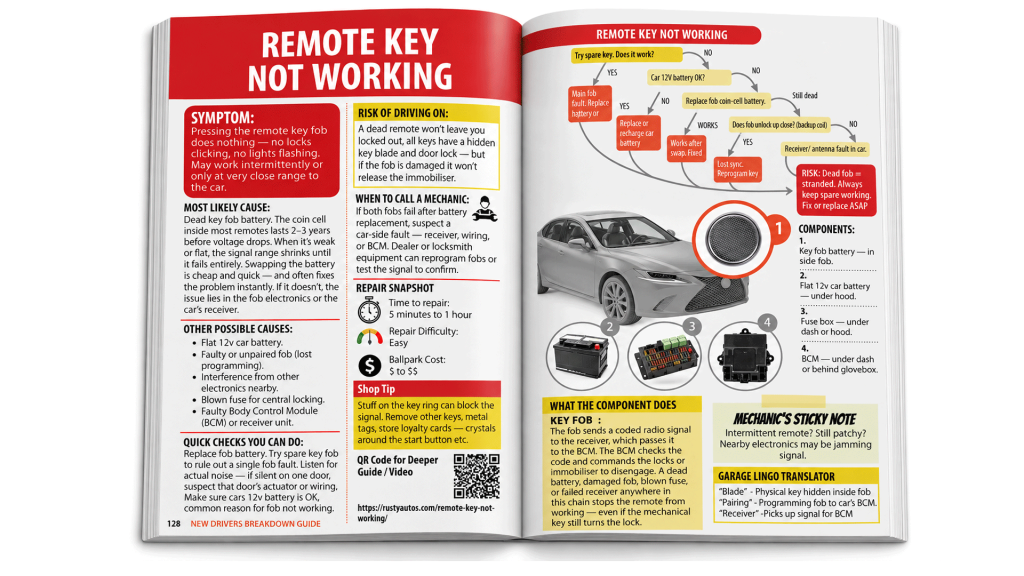
The New Driver’s Breakdown Guide gives you the car know-how nobody taught you.
No jargon. No fluff. Just the useful stuff.
Keep it in the glovebox.
- About the Author
- Latest Posts


Meet Northcap, a seasoned mechanic and roadside assistance expert with over 20 years of hands-on experience. At Rustyautos.com, Northcap shares exclusive insights into what really breaks down in cars, offering practical tips and real-world advice to keep drivers informed and their cars on the road.