
Who doesn’t love saving money, tinkering around with their car on a Saturday afternoon? Unlike hardcore repairs or stressful breakdowns, maintenance is a leisurely activity. Yes, I did say leisurely.
Another hidden joy of doing my own car maintenance over the years was that it allowed me to spend time with my two kids, who, like all kids, were naturally curious about how a car works.
There’s a lot to love about DIY car maintenance.
Maintenance, as my father would say (also a mechanic), is about finding problems before they find you. Our cars are in a constant state of wear, and that wear needs to be monitored. Good DIY maintenance requires a ton of observations. Usually, it’s more about checking stuff than actually doing stuff, if you know what I mean.
But maintenance is a serious business; regular maintenance will help you avoid costly repairs and ensure your vehicle runs smoothly and efficiently.
Before we look at maintenance, let’s review the tools we might need and the DIY maintenance mistakes we should avoid.
Tools You’ll Need
The job at hand will obviously dictate the tools we need, but here’s a list of tools every semi-pro maintenance guy or gal will need in their toolbox. While you don’t need all of these tools on day one, collecting them as you progress makes maintenance chores easier and more enjoyable.
- Toolbox
- Hydraulic floor jack
- Axle stands
- Gloves
- LED light
- Eye protection
- Crawler
- Oil catch
- Socket set
- Combo wrench set
- Driver set
- Vice grips
- Pliers set
- Rubber hammer
- Breaker bar
- Torque wrench
- Impact wrench
- Fault code reader
- DVOM
- Oil filter tool
- Brake caliper tool
You might find the following links helpful:
Consumables that no mechanic will be without include:
- Duct tape
- WD40
- Brake cleaner
- Silicone spray
- Copper grease
- Anti squeal
- Anti-seize
- Insulating tape
- Insulating tape
- Zip ties
- Disposable gloves
DIY Car Maintenance Mistakes to Avoid
The number one mistake we want to avoid is injuring ourselves or somebody else. The second mistake we want to avoid is damaging our car.
Before we begin any job, it’s best to assess our ability to complete it safely. As Clint Eastwood might say, we should know our limitations: be they physical, hand skills, available tools, our working environment, our knowledge, the complexity of the mission, or the risk (asking what’s at risk if this goes wrong).
You could say car maintenance loosely fit into one of two buckets – Hard or Easy.
The hard bucket contains jobs like a timing chain or timing belt replacement, a water pump replacement, and a brake fluid flush. These jobs are for the seasoned DIYer, as they require hand skills, knowledge, and usually some special tools.
Importantly, though, the cost of getting these wrong is expensive; that’s not to say you couldn’t do it successfully, but I wouldn’t advise tackling anything from the hard bucket right out of the gate.
While some DIYers might not find these jobs difficult, beginners without the right equipment and know-how will.
The easy bucket contains jobs like oil changes, filter changes, wiper replacement, etc. This type of maintenance is considered beginner-level.
If you are a seasoned DIYer, you’ll find in-depth maintenance and repair coverage in the repair guides section here.
Typical Basic Car Maintenance
The jobs covered on the maintenance page are all easily undertaken by the beginner DIY repair guy or gal, which I’ve briefly outlined below.
Air filter replacement – The air filter, located under the hood inside the air filter housing, filters and cleans the incoming air the engine uses.
The filter is important as it filters harmful silica from the air, which would otherwise erode the intake system and engine components.
Bulbs – Bulbs don’t require maintenance; we replace them when they blow. I want to say replacing car bulbs is a simple job, and it is once you gain access to the light bulb fitting.
The problem is that engineers seem to go out of their way on some models to make the chore super labour-intensive, and indeed, some late-model vehicles use LED bulbs that aren’t replaceable, meaning you need to buy a new light unit, and that is usually on the spendy side.
Battery maintenance & replacement – Batteries don’t require much maintenance, as long as you use your vehicle regularly. Battery terminals do need cleaning from time to time. The battery is, as you know, charged by the engine’s alternator when the engine is running.
Battery replacement is a simple process.
Brake fluid check – Brake fluid doesn’t require much maintenance; we check the level and replace it every 3 years per our manufacturer’s specs.
Best to use the recommended brake fluid marked on the reservoir cap. OK to mix if you’re stuck, but never mix DOT 5 with any other brake fluid type.
Brake pad check – When we check brakes, we generally check all the components; we typically check brake fluid, the front and rear brake pads, or the shoe linings for wear.
Check the rotor or drum condition, and check brake flexi hoses and hard brake lines for signs of damage or corrosion.
Brakes are serious business and do require a good amount of maintenance.
I’ve covered the topic of brake maintenance thoroughly, and you’ll find illustrated step-by-step guides for all the common brake checks and repairs on this page.
Belts – Engines use belts to drive auxiliary components such as alternators (charge battery), A/C pump (cools and dries cabin air), Water pump (circulates coolant through the coolant system), and Power steering pump (provides power steering).
Belts are also known as Serpentine or Aux belts when they drive multiple components, or simple drive belts if they drive just one.
Modern cars with serpentine belts don’t require adjustment and so need little in the way of maintenance.
Coolant level – The coolant system is, as you know, critical for engine health. Any problem in the cooling department quickly becomes apparent in both winter and summer. Typical coolant system maintenance includes a visual check of the coolant level and its strength.
Checking the water pump for leaks and noise, and checking the water pump belt. We check and clean the radiator for debris, especially in dusty environments.
Locks and latches lubrication – Lubricating locks and latches helps prevent them from sticking and ensures they operate smoothly. We apply a small amount of white grease spray or graphite powder to the keyhole and latch mechanism, then work the key and latch a few times to distribute the lubricant evenly. We avoid using oil-based lubricants as they can attract dirt and grime.
Oil check – Oil lubricates the moving parts of your engine and keeps them from grinding against each other.
It is essential to check your oil regularly; I recommend checking it at every gas fill or before a long road trip.
Oil change – Regular oil changes help to lubricate and protect your car’s engine, reduce wear and tear, and improve fuel efficiency.
This maintenance task can also prevent costly repairs down the road. Don’t skip them!
Transmission oil check – Checking your transmission oil is important for maintaining your car’s transmission system.
Low or dirty fluid can lead to poor shifting, overheating, and even transmission failure. Checking it regularly, topping it off, or replacing it as needed can prevent costly repairs.
Transmission oil change – Transmission oil changes are crucial for maintaining your car’s transmission system. Over time, oil can break down and become contaminated, leading to poor shifting, overheating, and even transmission failure.
Regular changes can prevent costly repairs and keep your car running smoothly.
Spark plug replacement – Crucial for keeping your car’s engine running smoothly. Worn or damaged plugs can lead to poor fuel efficiency, misfires, and even engine damage.
Replacing them every 30,000 miles can improve performance and prevent costly repairs.
Scratch removal – Scratch removal process involves cleaning the affected area, sanding the scratch, applying rubbing compound, and polishing. For deeper scratches, touch-up paint may be necessary. It’s best to seek professional help for significant damage.
Changing a flat – Always worth knowing how to change a flat. Sure, AAA will do it, but when?
Tire wear check – Your car’s tires are the only part of your vehicle that touches the road. As such, they play a critical role in your car’s performance and safety. To ensure that your tires are in good condition, check them regularly for any signs of wear and tear.
Tire pressure check – Check the tire pressure regularly. Low pressure can cause your tires to wear unevenly and affect your car’s stability and fuel efficiency.
Tire rotation – Rotating tires, we don’t actually rotate the tires. We rotate the wheels. Meaning we move the front wheel to the back and vice versa.
Rotating the tires helps even out tire wear, handling, safety, and fuel economy.
Wash – This might not seem like an important maintenance chore, but just washing and cleaning your car’s exterior will make it look good and help prevent rust and corrosion. Wash your car using a car-specific shampoo, and then dry it with a microfiber cloth. Be sure to clean your car’s windows and mirrors regularly to ensure clear visibility while driving.
Wiper replacement – Wiper blade replacement is important for maintaining good visibility while driving.
Worn or damaged blades can lead to streaks, smearing, and reduced effectiveness, making it difficult to see the road. Replacing them every 6-12 months can improve safety and prevent accidents.
Wiper washer fluid top-up – Topping up your wiper washer fluid is important for maintaining good visibility while driving. Running out of fluid can lead to streaks, smearing, and reduced effectiveness, making it difficult to see the road. Topping it up regularly can improve safety and prevent accidents.
You get the idea: these are all tasks that beginners can easily undertake and will save you money. You’ll find the complete list of beginner DIY maintenance chores here.
About the Author
John Cunningham is a Red Seal Qualified automotive technician with over twenty-five years of experience in the field. When he’s not writing about car repair, you’ll find him in his happy place – restoring classic cars


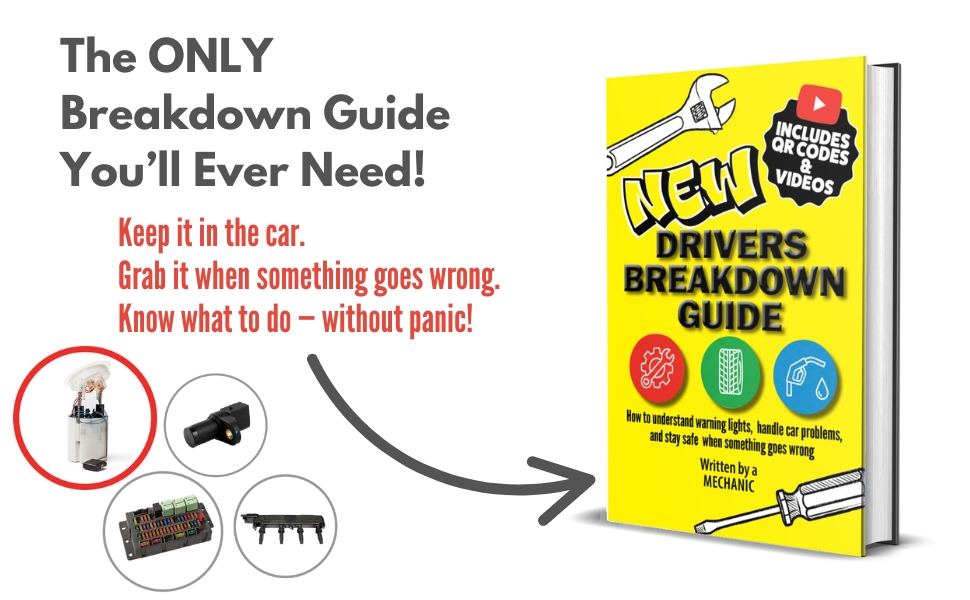
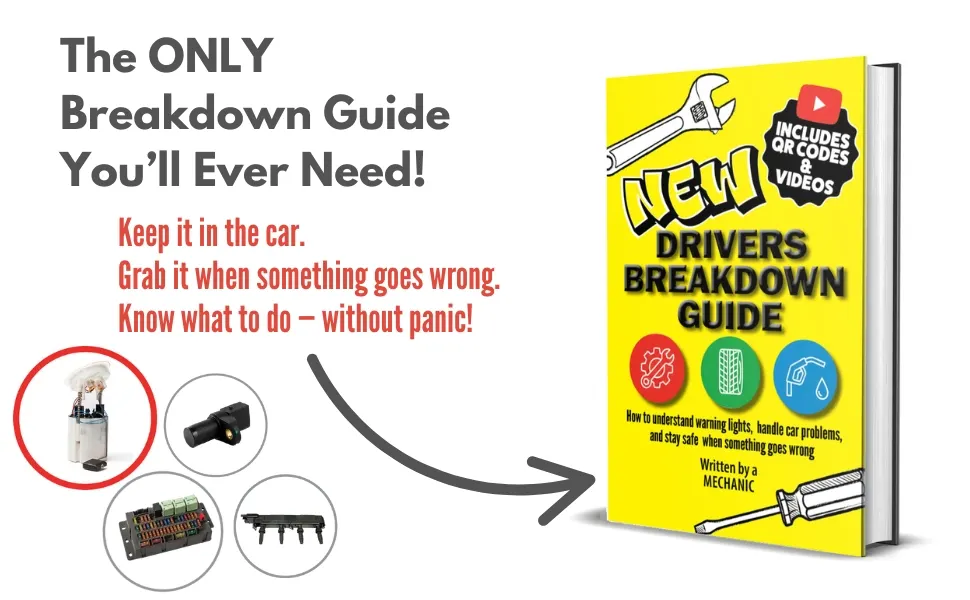
Visit our DIY Car Maintenance page and level up your car care skills — or keep the quick-reference version below in your glovebox.
Look inside on Amazon.com
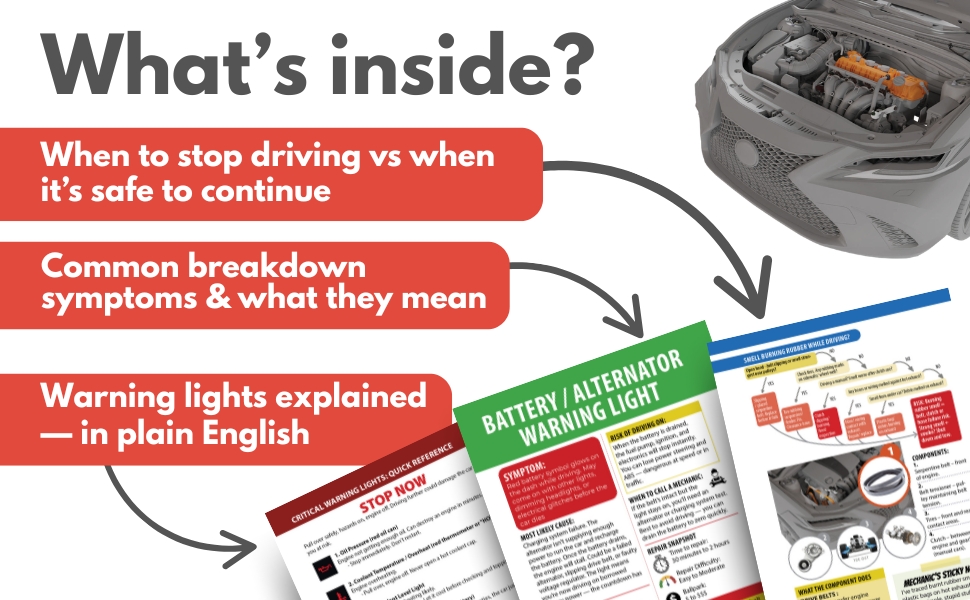
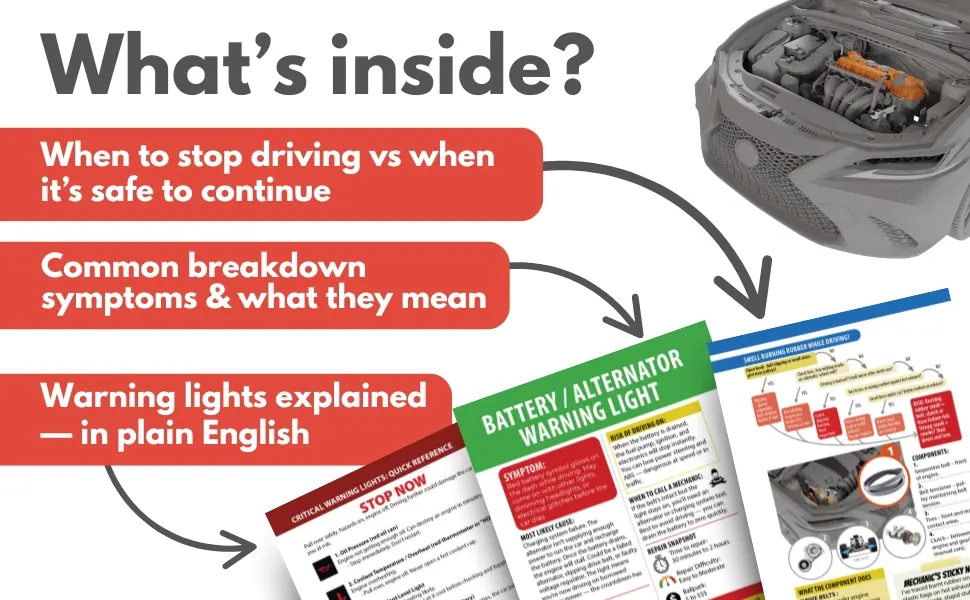
Look inside on Amazon.com
You may find the following links helpful:
- Beginner car maintenance page
- Car repair and troubleshooting index
- OBD fault code list
- Tools and parts page
- About the Author
- Latest Posts


John Cunningham is an Automotive Technician and writer on Rustyautos.com. He’s been a mechanic for over twenty-five years and has worked for GM, Volvo, Volkswagen, Land Rover, and Jaguar dealerships.
John uses his know-how and experience to write articles that help fellow gearheads with all aspects of vehicle ownership, including maintenance, repair, and troubleshooting.