You’re driving along…
You glance down.
Temperature gauge climbing. Warning light on. Maybe even steam.
That’s not a “keep going” situation.
That’s an engine-killer if ignored.
Overheating is one of the fastest ways to turn a small problem into a blown engine. Catch it early, you’re fine. Push your luck, you’re buying expensive parts.
Let’s break it down.
What Does Overheating Look Like
This isn’t always dramatic.
Sometimes it creeps up on you.
- Temperature gauge rising above normal
- Warning light on the dash
- Steam from under the hood
- Sweet smell from coolant
- Heater blowing cold air
That last one catches people out. If the heater goes cold, the engine may already be low on coolant.
First Rule — Stop Driving
If the gauge is climbing, pull over.
Driving an overheating engine can warp the cylinder head, blow the head gasket, and in worst cases, seize the engine.
I’ve seen engines destroyed in minutes.
Let it cool before touching anything. Coolant systems run under pressure and can burn you badly.
Most Common Causes (What I Check First)
Simple stuff first.
Low Coolant Level
This is number one.
No coolant means no heat transfer.
Why it happens
Usually leaks.
- Radiator
- Hoses
- Water pump
- Expansion tank
What you’ll notice
- Overheating, especially at idle or low speeds
- Heater blowing cold
- Visible leaks or dried coolant residue
Top it up, yes. But find the leak. Coolant doesn’t just disappear.
Cooling Fan Not Working
At low speeds or in traffic, the fan does the work.
If it’s not running, temperature climbs quickly.
Symptoms
- Overheats in traffic
- Fine at highway speeds
- Fan not spinning when hot or with AC active
Causes
- Faulty fan motor
- Blown fuse
- Bad relay
- Temperature sensor issue
This one is very common in stop-start driving.
Thermostat Stuck Closed
The thermostat controls coolant flow.
If it sticks closed, coolant can’t circulate through the radiator.
Symptoms
- Rapid overheating
- Upper hose hot, lower hose cold
- Heater may still work
This one comes on quickly and doesn’t recover.
Water Pump Failure
The pump keeps coolant moving.
If it fails, circulation stops.
Symptoms
- Overheating at all speeds
- Coolant leaks from pump area
- Whining or grinding noise sometimes
Modern pumps can fail without much warning….especially plastic impellers
Blocked Radiator
Over time, radiators clog internally or externally.
Air can’t pass through, or coolant can’t flow properly.
Symptoms
- Overheating under load
- Poor cooling even with fan working
- Visible debris on radiator fins
Seen a lot on older vehicles or ones that haven’t had coolant changes.
Low Oil Level
This one catches people out.
Everyone thinks coolant handles engine heat. And it does. But oil plays a big part too.
Oil isn’t just for lubrication. It also carries heat away from internal engine parts.
If the oil level drops?
Friction increases. Heat builds up inside the engine. And that heat has nowhere to go.
What you’ll notice
- Engine running hotter than normal
- Overheating under load or longer drives
- Oil warning light or low oil message
- Engine may sound noisier or rougher
In some cases, the temperature will climb even though the cooling system is working fine.
Why it happens
Low oil means less lubrication and less heat transfer.
Metal parts start working harder against each other. That creates heat. A lot of it.
And unlike coolant, oil is also cooling parts you can’t see, like pistons and bearings.
Quick check
Pull the dipstick and check the level.
If it’s low, top it up with the correct oil straight away.
But don’t stop there. Oil doesn’t just disappear.
Check for leaks or excessive oil consumption.
If it’s been running low for a while, you may already have some engine wear.
Simple one, but important. Ignore it, and it gets expensive fast.
Head Gasket Failure
This is the one people worry about.
And yes, overheating can cause it. But it can also be the cause of overheating.
Symptoms
- Coolant loss with no visible leak
- White smoke from exhaust
- Bubbles in coolant tank
- Engine overheating repeatedly
This is not a quick fix.
Airlock in the System
After coolant work, air can get trapped.
Air pockets stop proper circulation.
Symptoms
- Erratic temperature
- Heater not working properly
- Overheating after recent repair
System needs to be properly bled.
Collapsed Hose
Hoses can soften and collapse under vacuum.
That restricts coolant flow.
Symptoms
- Overheating at higher speeds
- Hose looks sucked in
- Intermittent overheating
Not common, but I’ve seen it.
Quick Checks You Can Do
Check coolant level when the engine is cold. Never open a hot system.
Look for obvious leaks or dried coolant marks.
Watch when it overheats. Only in traffic or all the time.
Check if the cooling fan runs when the engine is hot or with AC on.
Turn the heater on full heat. If it blows cold and engine is warm, coolant flow or airlock are likely causes.
Can You Drive It
No.
If it’s overheating, don’t drive it.
Short distance to safety, maybe. But pushing on will cost you.
Loss of coolant or circulation means metal parts are expanding beyond tolerance. That’s when damage happens.
When to Call It
If you’ve topped up coolant and it still overheats, or if you see steam, persistent warning lights, or repeated temperature spikes, stop.
At that point, you’re risking serious engine damage.
FAQs
Why is my car overheating in traffic but not on the highway?
Most likely a cooling fan issue.
Can low coolant cause overheating?
Yes. It’s the most common cause.
Is it safe to drive an overheating car?
No. You risk serious engine damage.
Why is my heater blowing cold when overheating?
Coolant is low or not circulating properly.
Does overheating always mean a blown head gasket?
No. But ignore it long enough and it can lead to one.
YOUR CAR JUST SAID “UH-OH.”
Warning light? Won’t start? Weird noise?
Something smells expensive?
DON’T PANIC. KNOW WHAT TO DO NEXT.
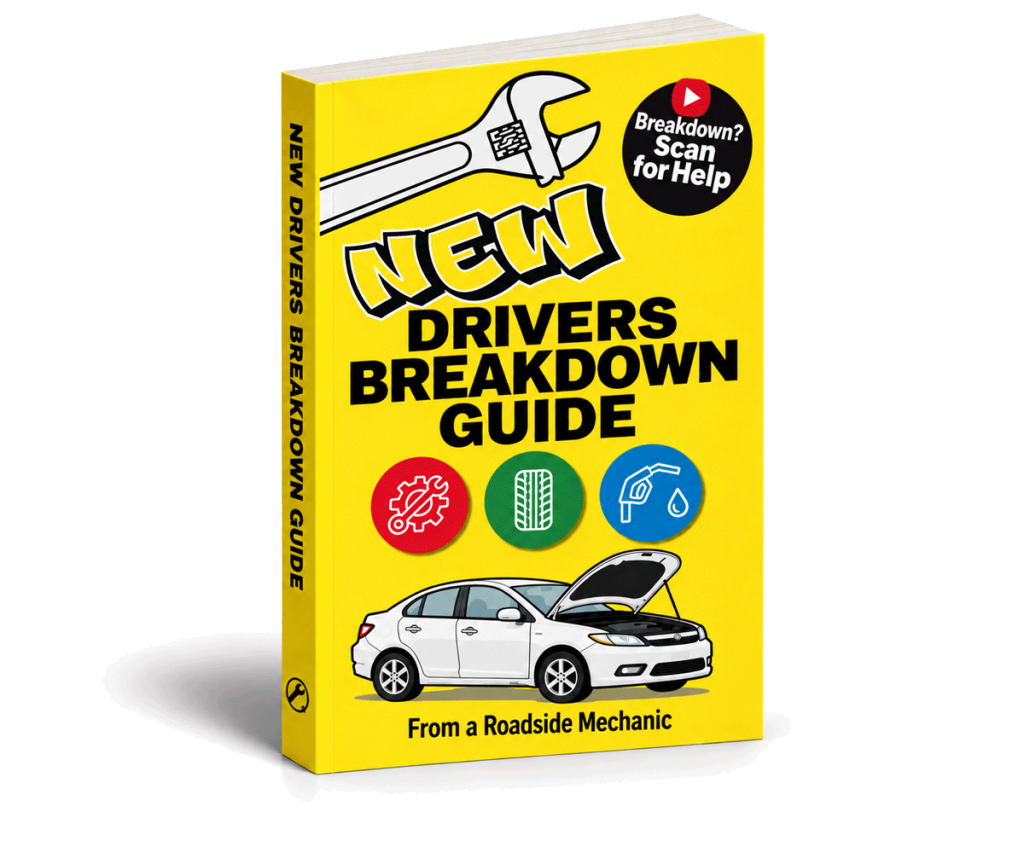
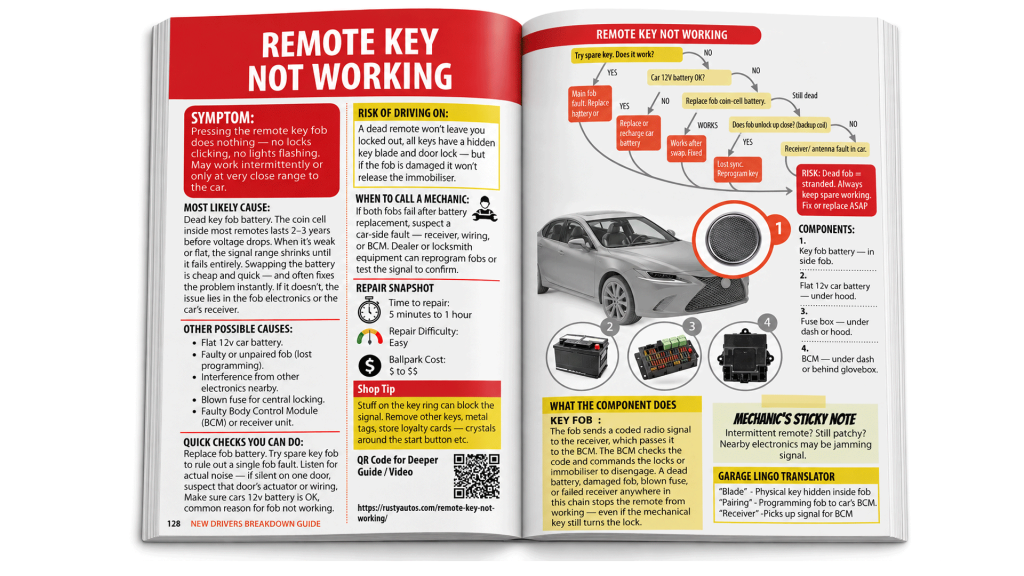
The New Driver’s Breakdown Guide gives you the car know-how nobody taught you.
- About the Author
- Latest Posts


Meet Northcap, a seasoned mechanic and roadside assistance expert with over 20 years of hands-on experience. At Rustyautos.com, Northcap shares exclusive insights into what really breaks down in cars, offering practical tips and real-world advice to keep drivers informed and their cars on the road.