Cold start. Rough idle. Engine shaking like it’s half asleep.
That’s P0316.
This one only shows up during the first few seconds after startup. After that, the engine might smooth out like nothing ever happened.
But don’t ignore it.
From my experience, this code is often the early warning before a full-time misfire shows up.
What P0316 Actually Means
P0316 = Misfire detected during startup, typically within the first 1,000 engine revolutions.
The ECU is watching crankshaft speed.
If one cylinder doesn’t pull its weight, the ECU sees the tiny speed drop and flags it.
Important bit.
This isn’t a constant misfire.
It’s a startup-only problem.
That narrows things down nicely.
What You’ll Notice
- Rough idle for a few seconds after starting
- Engine shaking or stumbling when cold
- May clear up once warm
- Check engine light on or flashing briefly
- Slight hesitation pulling away
Sometimes the driver says
“Runs rough in the morning, perfect the rest of the day”
That’s typical P0316.
Most Common Causes
Weak ignition on cold start
This is top of the list.
- Worn spark plugs
- Weak ignition coils
- Moisture in plug wells
Cold engines need a strong spark.
If ignition is borderline, it shows up here first.
I see coils pass basic tests but still fail under cold load.
Fuel delivery issues
Cold start needs extra fuel.
If it doesn’t get it, misfire.
- Leaking injector (drips overnight, floods cylinder)
- Clogged injector (not enough fuel)
- Weak fuel pressure
Leaking injectors are sneaky.
Fuel sits in the cylinder overnight.
First start = rough running, then clears.
Vacuum leaks
Unmetered air leans out the mixture.
Cold engines are sensitive to this.
- Cracked intake hoses
- Leaking intake gasket
- PCV system faults
Once the engine warms up, the ECU compensates better.
Cold start? Not so forgiving.
Engine coolant temperature sensor issues
If the sensor lies, the ECU gets the fueling wrong.
- Reads warmer than actual = too little fuel
- Engine struggles on startup
No obvious fault, just poor cold running.
Low compression on one cylinder
Less common, but worth checking.
- Worn valves
- Head gasket issue
- Cylinder wear
Cold engines have lower sealing efficiency.
If compression is marginal, startup is when it shows.
Oil leaking into cylinder overnight
Another real-world one.
- Valve stem seals leaking
- Oil sitting on piston overnight
Start it up.
Oil fouls the plug.
Misfire for a few seconds.
Clears once burned off.
What I Check First at the Roadside
I keep it simple and fast.
- Start engine cold and listen carefully
- Check for obvious shaking or uneven idle
- Scan for additional codes like P0300–P0306
- Look at live misfire data if available
- Quick visual on ignition coils
- Pull the plugs and look for fouling or large gaps
If I suspect a coil
- Swap coils between cylinders
- See if the misfire follows
Old-school but it works.
Can You Drive With P0316
Short answer.
Yes, but don’t leave it.
Here’s why.
- Repeated misfires damage the catalytic converter
- Fuel washing cylinder walls causes wear
- Problem usually gets worse over time
What starts as a 5-second stumble can turn into a full-time misfire.
And that gets spendy fast.
How to Fix It
Depends on what you find, but here’s the usual path.
- Replace spark plugs if worn or overdue
- Test or swap ignition coils
- Check injectors for leaking or blockage
- Inspect intake system for vacuum leaks
- Verify coolant temp sensor readings
- Compression test if nothing obvious shows
From experience, most fixes land in the plug, ignition coil or injector category.
Pro Tip
If the problem only happens after the car sits overnight
Think in this order
- Fuel leaking where it shouldn’t
- Spark struggling when cold
YOUR CAR JUST SAID “UH-OH.”
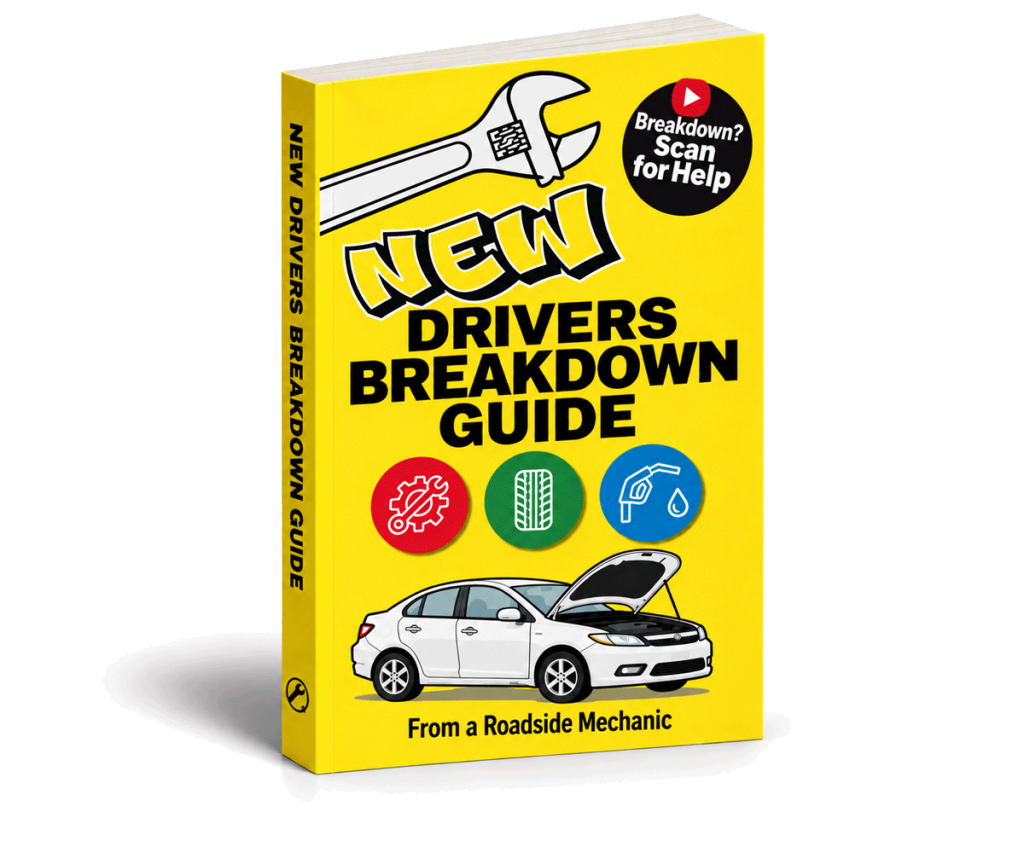
Warning light? Won’t start? Weird noise?
Something smells expensive?
DON’T PANIC. KNOW WHAT TO DO NEXT.
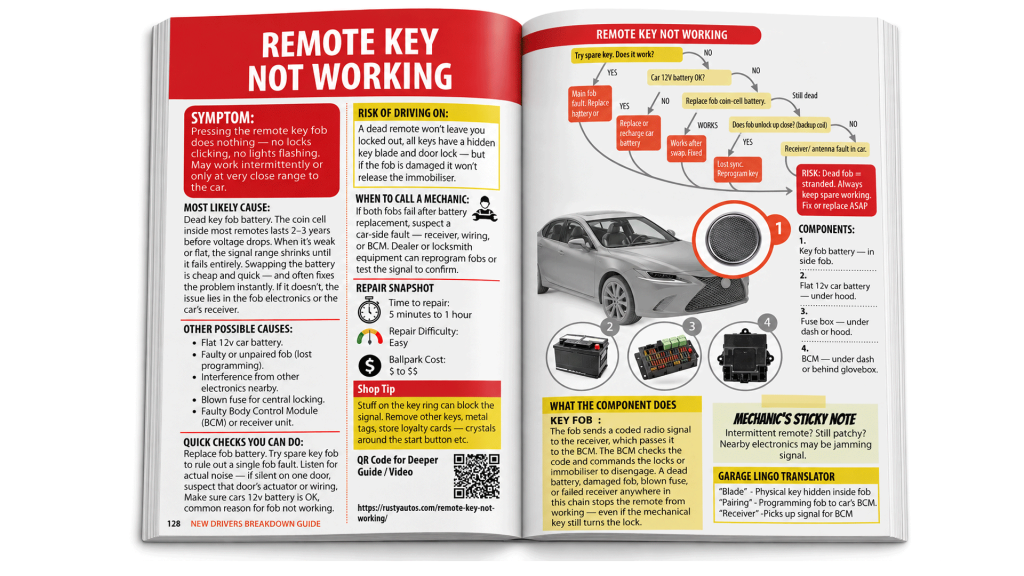
The New Driver’s Breakdown Guide gives you the car know-how nobody taught you.
- About the Author
- Latest Posts


Meet Northcap, a seasoned mechanic and roadside assistance expert with over 20 years of hands-on experience. At Rustyautos.com, Northcap shares exclusive insights into what really breaks down in cars, offering practical tips and real-world advice to keep drivers informed and their cars on the road.