You roll up to a stop.
Foot on the brake.
And the engine just cuts out.
No warning. Just stalls.
The engine can’t control idle properly when load drops off…. fuel control goes off balance right at the worst moment.
Let’s walk it through.
What Does It Feel Like
This fault tends to show up in a few clear patterns.
Dies as soon as you stop
The car drives fine, then cuts out the moment it hits idle. Usually restarts straight away. This points toward idle control or airflow.
Dies when braking
Happens under heavier braking. Feels like the engine gets dragged down. Often vacuum related.
Struggles then stalls
Idle drops, engine shakes, then dies. Sometimes catches itself. That’s usually an air fuel imbalance.
Random stalls
No clear pattern. Works fine, then cuts out occasionally at lights. Think sensors or intermittent faults.
Dirty Throttle Body
This is the first place I look.
When you lift off the throttle, the plate closes. The engine still needs a small amount of controlled air to keep running. If the throttle body is dirty, that airflow gets restricted.
You’ll notice low idle, stalling at stops, or needing to keep your foot slightly on the gas to keep it alive.
Carbon buildup around the throttle plate is the culprit. Very common on modern gas engines.
Cleaning it properly fixes the issue straight away. On some cars, you will need a scan tool to perform a relearn procedure after cleaning.
Idle Air Control Valve Fault
On older engines, the idle air control valve handles idle speed.
If it sticks or fails, the engine can’t regulate idle when you come to a stop.
You’ll see stalling at idle, unstable revs, or a car that starts fine but won’t stay running.
Cleaning can help, but often it needs replacement.
Vacuum Leak
At idle, the engine is extremely sensitive to air leaks.
Even a small leak can upset the balance enough to stall the engine.
You might notice rough idle, stalling at stops, or a faint hissing sound.
Common causes include split vacuum hoses, intake leaks, or loose connections.
Brake Booster Fault
This one is often overlooked.
When you press the brake, the booster uses vacuum. If there’s a leak, it introduces extra air into the engine right as you’re stopping.
That can be enough to kill the engine.
You may also notice a firmer brake pedal or a hissing noise when braking.
If the engine stalls mainly when braking, this jumps up the list quickly.
Mass Airflow Sensor Problems
The MAF sensor measures incoming air and helps calculate fuel delivery.
If it’s dirty or faulty, fueling becomes inaccurate, especially at idle.
You may see stalling, hesitation, or generally poor running.
Cleaning with proper MAF cleaner can help. If not, replacement may be needed.
EGR Valve Stuck Open
The EGR valve should be closed at idle.
If it sticks open, exhaust gases enter when they shouldn’t. The engine effectively chokes.
This causes rough idle and stalling, especially when coming to a stop.
Very common cause on both gas and diesel engines.
Fuel Delivery Issues
Less common, but still possible.
At idle, fuel demand is low but needs to be stable. If pressure drops or injectors are dirty, the engine can stall.
You may notice hesitation before the stall or issues under load as well.
Crankshaft Sensor Issues
If the crank sensor signal drops out, the engine shuts off instantly.
This feels different. No struggling. Just a clean cut.
It may restart after a few seconds.
These faults are often intermittent and harder to catch without diagnostics.
Automatic Transmission Load
On automatic cars, if the torque converter doesn’t disengage properly, the engine is effectively being dragged down when you stop.
It’s similar to stopping a manual car without pressing the clutch.
You’ll feel the engine load up just before it stalls.
Quick Checks You Can Do
Watch how the engine behaves at idle. If it’s already low or rough, that’s a big clue.
Try easing to a stop gently. If it only stalls under heavy braking, think vacuum or brake booster.
Hold a little throttle as you stop. If it stays running, airflow is likely the issue.
Listen for hissing sounds under the hood.
Keep an eye on warning lights, even if they come and go.
Can You Drive It
You can, but it’s not ideal.
If the engine stalls in traffic, you lose power steering and brake assist. That can catch you out quickly, especially at junctions.
If it’s happening regularly, it’s worth fixing sooner rather than later.
When to Get Help
If you’ve cleaned the throttle body and checked for obvious vacuum leaks and the problem is still there, you’re into diagnostic territory.
At that point, you’ll need live data and fault codes to pin it down properly.
FAQs
Why does my car stall at traffic lights?
Because that’s when the engine drops to idle, where it’s most sensitive to air and fuel balance.
Can a dirty throttle body cause this?
Yes. It’s one of the most common real-world causes.
Why does it stall when I brake?
Often a vacuum leak or brake booster issue.
Will a battery cause this?
Rarely. This is usually not an electrical supply issue.
Does this affect diesel engines?
Yes, though it’s more commonly linked to EGR or fuel system faults on diesels.

Visit our DIY Car Maintenance page and level up your car care skills — or keep the quick-reference version below in your glovebox.
Look inside on Amazon.com
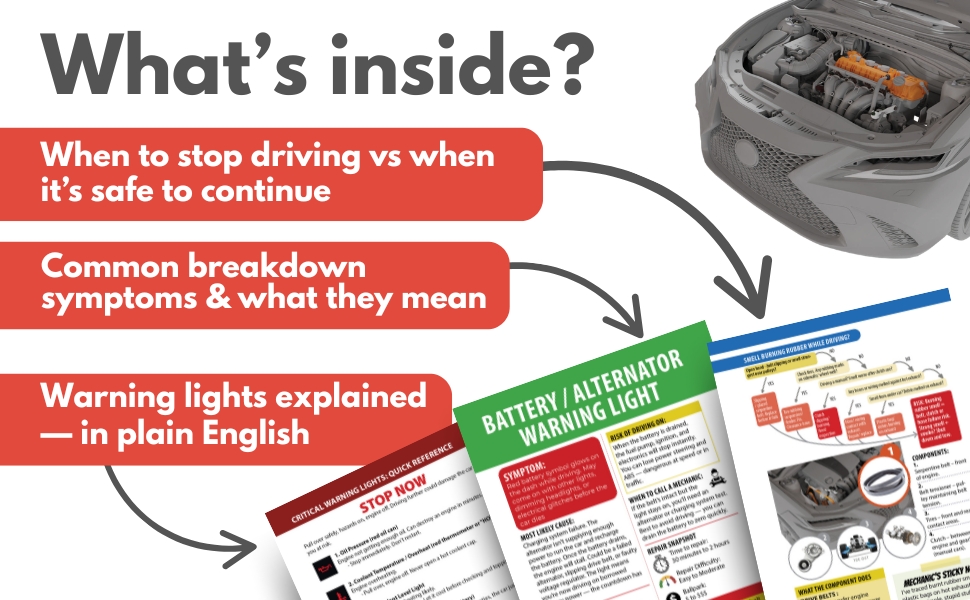
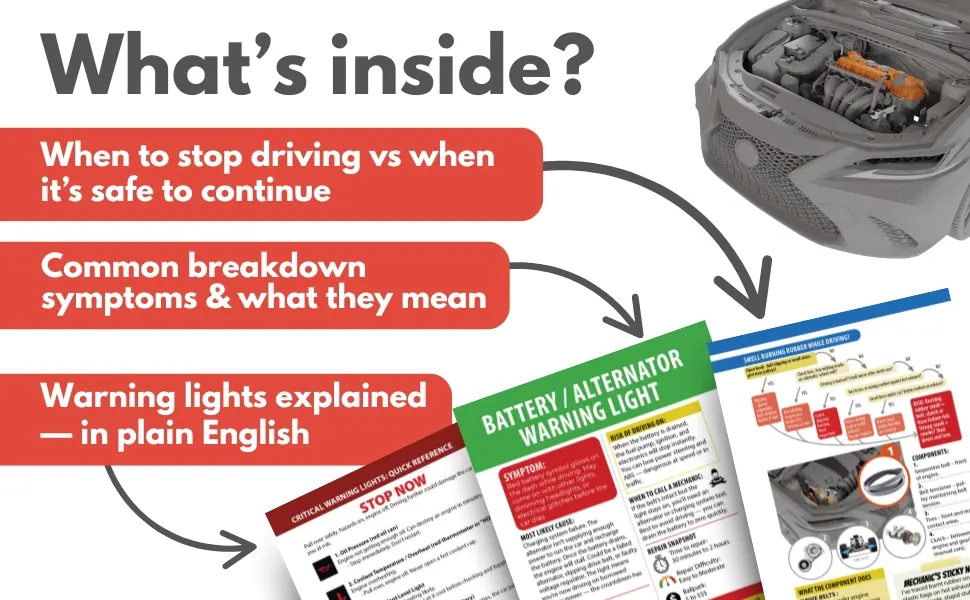
Look inside on Amazon.com
- About the Author
- Latest Posts


Meet Northcap, a seasoned mechanic and roadside assistance expert with over 20 years of hands-on experience. At Rustyautos.com, Northcap shares exclusive insights into what really breaks down in cars, offering practical tips and real-world advice to keep drivers informed and their cars on the road.