If you’ve ever wondered which cars actually make it to 250,000 miles—and which ones fall apart long before—this one’s for you. We pulled together the latest iSeeCars study covering more than 260 million vehicles on U.S. roads, and the results are clear: some models are built to go the distance, and others… aren’t.
To make things easy, we turned the whole study into a simple visual. You’ll find the full infographic below, but here’s the story behind the data and what it means when you’re shopping for a long-lasting car.
See the Full Study at a Glance


Here’s the full infographic breakdown of the Top 10 vehicles most likely to reach 250,000 miles. It’s simple, visual, and gives you the whole story in one scroll.
Toyota Still Wears the Crown
If there’s one thing the data makes impossible to ignore, it’s this: Toyota dominates long-term reliability.
Ten Toyota models make the Top 30. Four land in the Top 5. If hitting 250k miles is the goal, Toyota has the highest odds of getting you there without a parade of expensive repairs.
From a roadside mechanic’s point of view, the reason is simple:
- Their engines are straightforward and don’t rely on complicated turbos
- Their transmissions (many sourced from Aisin) are famously tough
- Parts are widely available and rarely “special order”
- They don’t bury everything under plastic and electronics
When you can service a vehicle easily, it stays on the road longer.
Who Else Makes the Cut?
Honda holds a strong second place with six models on the list, including the Accord, CR-V, Pilot, and Ridgeline. GM (Chevrolet/GMC) also performs well, thanks to big SUVs like the Suburban, Tahoe, and Yukon.
Nissan, Ford, Mazda, Acura, Ram, and Lexus pick up the remaining spots.
What’s more interesting is who doesn’t appear: Hyundai, Kia, Volkswagen, and most European brands. Their newer models may be improving, but long-term survival is still a challenge.
The Segment Winners That Stand Out
If you just want the best of the best, the study highlights four clear “champions”:
- Longest-lasting pickup: Toyota Tundra
- Longest-lasting SUV: Toyota Sequoia
- Longest-lasting sedan: Honda Accord
- Longest-lasting hybrid: Toyota Highlander Hybrid
These models aren’t just reliable—they’re predictable. They age well, parts stay available, and most of the known issues are minor rather than major mechanical failures.
Why 250,000 Miles Matters
Reaching 250k isn’t common. Only 8.6% of all vehicles ever see that milestone.
The models in the Top 30 hit it 3–4 times more often.
That means:
- Fewer large repair bills
- Less downtime
- Better lifetime value
- Stronger resale, even at higher mileage
If you want a car you can keep for a decade or pass down to the kids, this list is where you start.
A Mechanic’s Take: What These Cars Have in Common
After 20 years on the roadside and in dealership bays, here’s what I see in nearly every car that makes it past 250k:
1. Simple engines
Fewer complex, expensive failure points.
2. Durable transmissions
Toyota and Honda automatics routinely outlast the vehicles themselves.
3. Proper cooling systems
Vehicles that control heat well survive far longer—full stop.
4. Sensible design
If you can reach the alternator, water pump, and spark plugs without dismantling half the engine bay, that vehicle is going to live a long life.
These patterns show up in real breakdowns every day. The cars on this list don’t just last—they’re easier and cheaper to keep alive.
Want More Practical, No-Nonsense Car Advice?

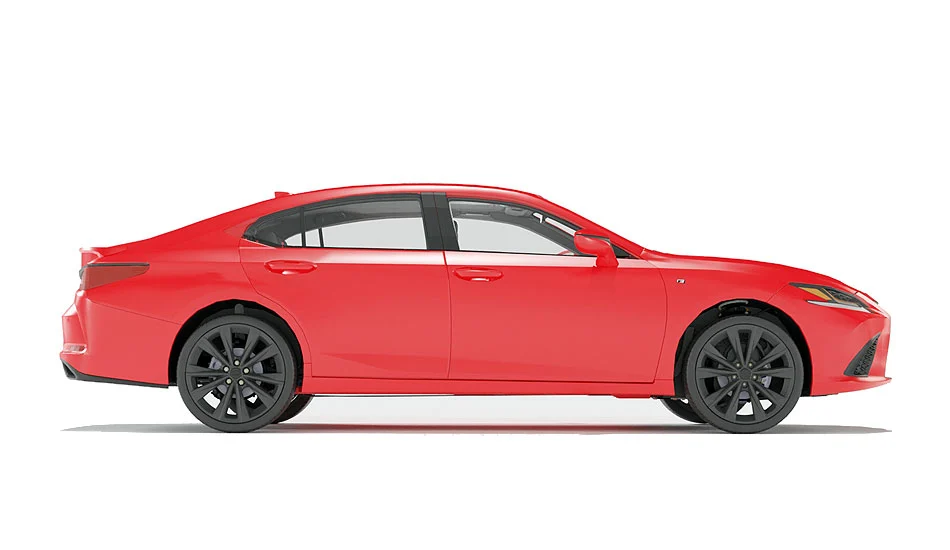
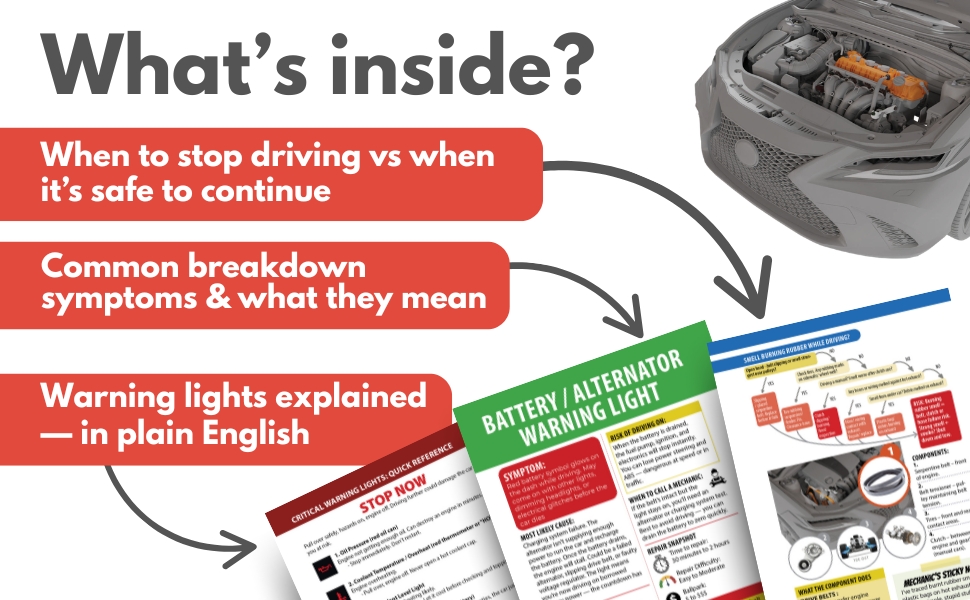
Visit our DIY Car Maintenance page and level up your car care skills — or keep the quick-reference version below in your glovebox.
Look inside on Amazon.com


Look inside on Amazon.com
- About the Author
- Latest Posts


Meet Northcap, a seasoned mechanic and roadside assistance expert with over 20 years of hands-on experience. At Rustyautos.com, Northcap shares exclusive insights into what really breaks down in cars, offering practical tips and real-world advice to keep drivers informed and their cars on the road.