You pull away…
And it won’t shift.
Stuck in one gear. Usually second or third.
Engine sounds off. Car feels lazy. Won’t pick up speed like it should.
This is a classic automatic transmission issue.
But here’s the thing.
Most of the time, the tranny hasn’t failed.
It’s protecting itself.
What’s actually happening
Modern automatic transmissions are controlled by a module.
It watches speed, load, throttle position, and gear ratios.
If something doesn’t add up, it steps in.
Locks the transmission into a single gear.
This is called limp mode.
It’s a built-in safety strategy to prevent further damage.
So when your car is stuck in gear, don’t assume the worst straight away.
The system is usually reacting to a fault, not causing one.
What it feels like
This one has a very familiar pattern.
- Car won’t shift up or down
- Sluggish acceleration
- High revs or sometimes very low power
- Harsh engagement selecting drive or reverse
- Check engine light on
- Transmission warning on dash
Most vehicles default to second or third gear. Enough to get you moving, but not much else.
Most common causes
Limp mode triggered by a fault
This is the big one.
The control module has spotted something it doesn’t like and has locked the tranny into a fixed gear.
Common triggers include:
- Sensor faults
- Solenoid issues
- Pressure problems
- Electrical faults
Fix the root cause, clear the code, and the tranny often returns to normal.
Faulty shift solenoid
Shift solenoids control fluid flow inside the transmission.
If one sticks or fails:
- Gear changes stop or become erratic
- The transmission may default to one gear
- Shifting feels harsh or delayed
Very common, especially on higher mileage vehicles.
Low or contaminated transmission fluid
Automatic tranny rely on clean fluid at the correct level.
If the fluid is:
- Low
- Burnt
- Dirty
Then pressure drops and control is lost.
That alone can trigger limp mode.
Simple stuff first. Always check the fluid.
Faulty speed sensors
The transmission depends on accurate speed data.
If an input or output speed sensor fails:
- The control module gets conflicting information
- It can’t confirm gear changes
- It locks the tranny into a safe gear
This is a common and often straightforward fix.
Wiring and connector faults
Transmission wiring lives a tough life.
Heat, vibration, and moisture take their toll.
Problems here can:
- Interrupt signals to sensors and solenoids
- Cause intermittent faults
- Trigger limp mode
Seen many where a wiring repair solved what looked like a major failure.
Valve body problems
The valve body controls hydraulic pressure and gear selection.
If valves stick or passages clog:
- Gear changes fail
- Pressure becomes inconsistent
- The transmission may get stuck in gear
This sits somewhere between a moderate and major repair.
Internal transmission wear
This is the expensive end of things.
Worn clutches, bands, or seals can cause:
- Slipping
- Delayed engagement
- Incorrect gear ratios
When the system sees this, it locks the tranny to prevent further damage.
If you’re here, a rebuild is usually on the cards.
What to check first
Keep it simple.
- Scan for fault codes
- Check transmission fluid level
- Inspect fluid condition and smell
- Look for leaks
- Check wiring and connectors
- Ask if there were recent battery or electrical issues
Low voltage can confuse control modules and trigger limp mode.
Can you keep driving
Not ideal.
If the car is stuck in one gear:
- Acceleration is poor
- Engine may over-rev or struggle
- Fuel use increases
- Heat builds inside the transmission
You might limp it home.
But the longer you drive it like this, the higher the risk of making things worse.
Typical fixes
Depends on the root cause.
Common repairs include:
- Replacing faulty sensors
- Repairing wiring or connectors
- Replacing shift solenoids
- Fluid and filter service
- Valve body repair or replacement
- Control module update or replacement
- Full rebuild in severe cases
A proper scan and inspection is key. This is not a guesswork job.
Stuck in Park Not the Same Problem
If your car won’t come out of Park, that’s a different issue.
This is usually not a tranny fault.
It’s the shift interlock system.
This system only allows you to move out of Park when:
- Brake pedal is pressed
- Ignition is on
- Brake switch sends a signal
If that signal is missing, the shifter stays locked.
Common causes
- Faulty brake light switch
- Blown fuse
- Flat or weak battery
- Faulty shift lock solenoid
- Wiring issue at the shifter
The brake switch is the usual suspect.
No brake signal, no gear selection.
Quick check
Press the brake and check the brake lights.
- No lights means switch or fuse issue
- Lights working means look elsewhere
Simple but very effective test.
Emergency release
Most cars have a manual override beside the gear lever.
Remove the small cover, press the release tab, and you can shift out of Park.
This gets you moving.
But it is only a temporary fix.

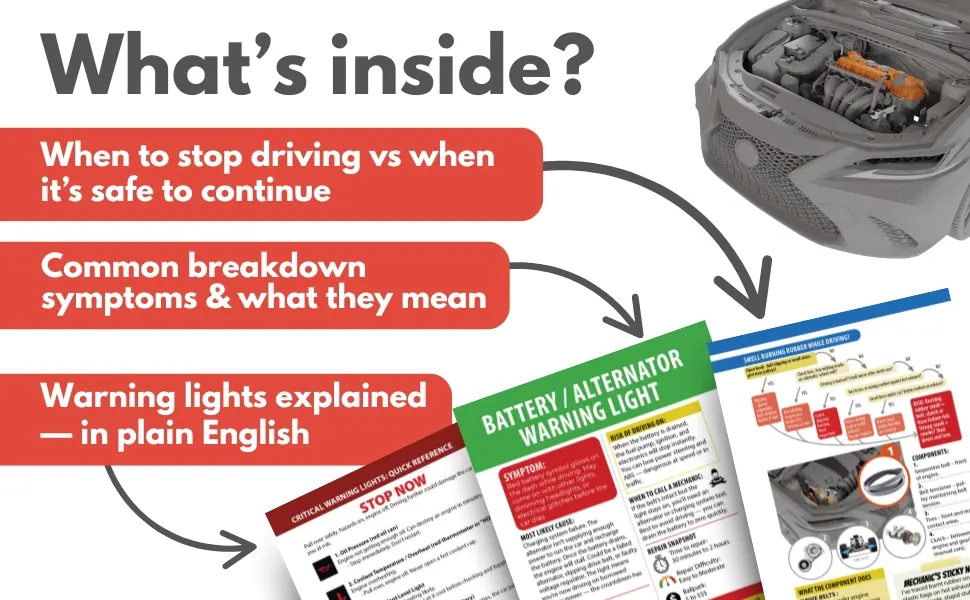
Visit our DIY Car Maintenance page and level up your car care skills — or keep the quick-reference version below in your glovebox.
Look inside on Amazon.com
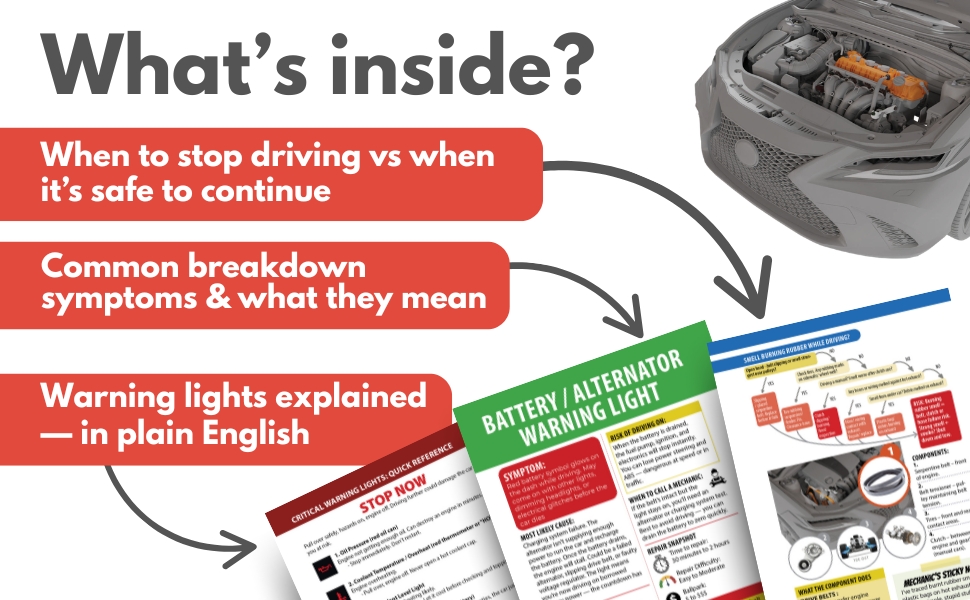
Look inside on Amazon.com
- About the Author
- Latest Posts


Meet Northcap, a seasoned mechanic and roadside assistance expert with over 20 years of hands-on experience. At Rustyautos.com, Northcap shares exclusive insights into what really breaks down in cars, offering practical tips and real-world advice to keep drivers informed and their cars on the road.