You check the tank.
Coolant level is fine. Sitting right where it should be.
But the temperature is climbing.
Most assume overheating equals low coolant.
And that is usually the cause, but not always.
The system has coolant… it just isn’t doing its job.
Let’s find out why.
First — Understand the Problem
Cooling systems don’t just hold coolant.
They circulate it, control it, and release heat from it.
If any part of that chain fails, the engine overheats even with a full tank.
So the real question becomes:
Is the coolant moving?
Is it being cooled?
Is the system under pressure?
That’s where we look.
Most Common Causes (Coolant Is There… But Not Working)
Thermostat Stuck Closed
This is a big one.
The thermostat controls when coolant flows through the radiator.
If it sticks closed, coolant stays trapped in the engine.
What you’ll notice
Rapid temperature rise
Top radiator hose hot, bottom hose cold
Coolant level looks normal
The coolant isn’t circulating through the radiator, so it never cools down.
This is a very common cause of “coolant full but overheating.”
Water Pump Not Circulating
The pump moves coolant around the system.
If it fails, coolant just sits there.
Symptoms
Overheating at all speeds
Heater may blow cold
No visible leaks necessarily
Some pumps fail internally. The impeller can break or spin loose on the shaft.
Most water pumps are belt-driven. Some are powered by the timing belt, others by the auxiliary belt.
If that drive is compromised, the pump won’t circulate coolant properly. And without circulation, the engine overheats even though everything else looks fine.
Now here’s one I’ve seen once on the roadside.
A failing crankshaft pulley. The type with a rubber damper between two metal sections know as a harmonic crank pulley.
When the pulley starts to break down, the inner and outer sections can slip. Dry, it grips just enough to work. But get it wet, and it can lose drive completely.
Result. When it rained, the water pump stops turning. Coolant stops moving. Engine overheats.
And the clue. It only overheats in wet conditions.
Easy to miss if you’re not thinking about it.
So if the cause isn’t obvious, don’t just look at the pump itself. Check the full drive system. Belts, pulleys, tensioners, and the crank pulley.
If the pump isn’t being driven properly, the rest of the cooling system doesn’t stand a chance.
Airlock in the Cooling System
Air is the enemy here.
If air gets trapped in the system, coolant can’t circulate properly.
What you’ll notice
Erratic temperature changes
Heater not working correctly
Overheating after recent coolant work
Even with a full tank, parts of the engine may be dry of coolant.
This is very common after radiator or hose replacement.
Cooling Fan Not Working
Coolant is full. Circulation might even be fine.
But if the heat isn’t being removed at the radiator, temperature climbs.
Symptoms
Overheats in traffic
Fine on the highway
Fan not spinning when hot
Electric fan faults are common and easy to miss.
Blocked Radiator
Coolant is flowing… but the radiator can’t do its job.
Why
Internal blockage from old coolant
External blockage from dirt, debris, or bent fins
Symptoms
Overheating under load
Poor cooling performance
Radiator feels uneven in temperature
The heat stays in the coolant instead of being released.
Head Gasket Issue (Early Stage)
This one is sneaky.
The system may still be full, but combustion gases are entering it.
That disrupts cooling and creates hot spots.
What you’ll notice
Overheating with no obvious leak
Bubbles in expansion tank
Coolant pushed out after driving
This is often intermittent at first.
Collapsing Radiator Hose
A weak hose can collapse under suction when the engine is running.
That restricts coolant flow.
Symptoms
Overheating at higher speeds
Hose looks sucked inward
Intermittent issue
Not common, but very real.
Temperature Sensor or Gauge Fault
Always worth mentioning.
Sometimes the engine isn’t overheating. It just looks like it is.
Signs
No real symptoms apart from gauge
Engine feels normal
No loss of performance
But be careful. Never assume this without checking properly.
Low Oil Level
This one catches people out.
Everyone thinks coolant handles engine heat. And it does. But oil plays a big part too.
Oil isn’t just for lubrication. It also carries heat away from internal engine parts.
If the oil level drops?
Friction increases. Heat builds up inside the engine. And that heat has nowhere to go.
What you’ll notice
Engine running hotter than normal
Overheating under load or longer drives
Oil warning light or low oil message
Engine may sound noisier or rougher
In some cases, the temperature will climb even though the cooling system is working fine.
Why it happens
Low oil means less lubrication and less heat transfer.
Metal parts start working harder against each other. That creates heat. A lot of it.
And unlike coolant, oil is also cooling parts you can’t see, like pistons and bearings.
Quick check
Pull the dipstick and check the level.
If it’s low, top it up with the correct oil straight away.
But don’t stop there. Oil doesn’t just disappear.
Check for leaks or excessive oil consumption.
If it’s been running low for a while, you may already have some engine wear.
Simple one, but important. Ignore it, and it gets expensive fast.
Quick Checks You Can Do
Check if the radiator fan comes on when the engine gets hot.
Feel the radiator hoses carefully. One hot, one cold can point to thermostat issues.
Turn the heater on full. If it blows cold, circulation is likely poor.
Look for bubbles in the expansion tank with the engine running.
Think back. Has any recent cooling work been done? Airlocks are common after repairs.
Can You Drive It
No.
Even with coolant present, overheating means the engine is not being cooled properly.
You’re still risking serious damage.
Coolant level doesn’t protect the engine. Proper circulation does.
When to Call It
If the temperature is climbing and you’re not sure why, stop.
If you’ve got repeated overheating with no visible leak, it’s time for proper diagnosis.
That means pressure testing, flow checks, and possibly checking for combustion gases in the system.
FAQs
Can a car overheat with full coolant?
Yes. Very common when circulation or cooling fails.
Why is my coolant full but engine still hot?
Because coolant isn’t moving or isn’t being cooled.
Does this mean my water pump is bad?
It could be, but thermostat and airlocks are more common.
Will topping up coolant fix this?
No. The system already has coolant. That’s not the issue.
Is this a serious problem?
Yes. Overheating always is, regardless of coolant level.

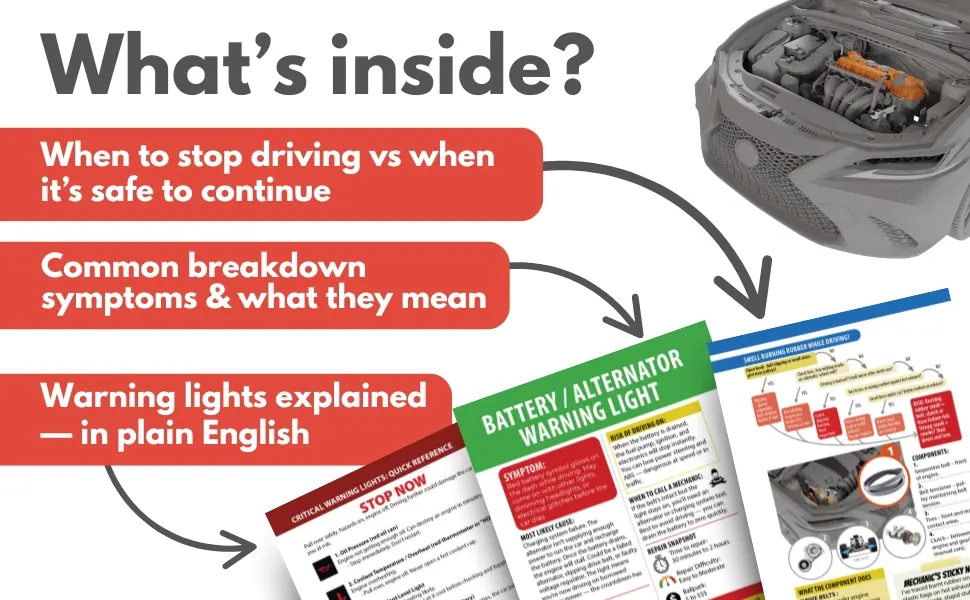
Visit our DIY Car Maintenance page and level up your car care skills — or keep the quick-reference version below in your glovebox.
Look inside on Amazon.com
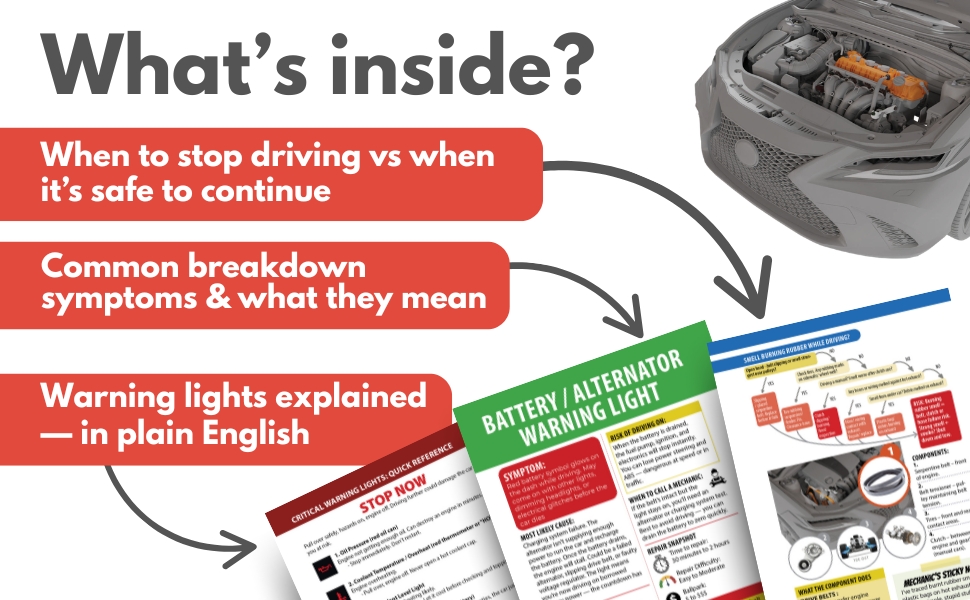
Look inside on Amazon.com
- About the Author
- Latest Posts


Meet Northcap, a seasoned mechanic and roadside assistance expert with over 20 years of hands-on experience. At Rustyautos.com, Northcap shares exclusive insights into what really breaks down in cars, offering practical tips and real-world advice to keep drivers informed and their cars on the road.