You get the call.
Highway breakdown.
BMW.
Ticking noise from the engine.
Smoke pouring from under the hood.
Two hours later, I arrive.
Driver is exhausted.
Not where she planned to be.
And now thinking the engine is done.
I’ve seen that look before.
First Clue – The Red Oil Light
Before I even lifted the hood, she told me something important.
- Red oil warning light came on
- She pulled over straight away
That right there likely saved the engine.
In the trade, we treat that light as a stop now signal.
Not drive home.
Not just around the corner.
Stop.
She did exactly that.
The Oil Story Didn’t Add Up
I asked the usual question.
When was it last serviced?
She said not recently…
But she had topped up the oil two weeks earlier.
That raised a flag.
So I asked the next one.
Is it using oil?
Her answer.
Yes. It was completely empty.
Now we’re getting somewhere.
Engines don’t just drink that much oil without a reason.
It’s either burning it… or leaking it.
The Dipstick Problem
We popped the hood.
Straight away, another issue.
- Dipstick broken
- The tip missing
- Plastic type, common enough on some BMWs
Problem is, you’ve lost your reference.
The minimum and maximum marks mean nothing if part of the stick is gone.
So now you’re guessing oil level.
And guessing is not what you want with engine oil.
Adding Oil – A Temporary Move
She had oil in the trunk.
Good sign.
We added some.
Still not reading correctly.
Still not confident on level.
At that point, I made the call.
Do not start it.
Because if it’s already low…
Running it again just makes things worse.
The Real Problem Shows Itself
Off came the engine cover.
And there it was.
Clear as day.
- Oil around the top of the engine
- Wet cam cover area
- Oil running down toward the turbo
On this BMW, the turbo sits up top.
That matters.
Because hot turbo plus leaking oil equals smoke.
Plenty of it.
Why It Was Smoking
This wasn’t engine failure smoke.
This was oil burning externally.
Here’s what was happening:
- Cam cover gasket failed
- Oil leaking out under pressure
- Oil dripping onto hot turbo housing
- Oil burning instantly
- Smoke rising from engine bay
That’s what the driver was seeing.
And it can look dramatic.
The Pool Under the Car
Even after two hours parked up, there was still a noticeable puddle under the car.
That tells you the leak isn’t small.
This wasn’t a light seep.
This was active oil loss.
Enough to drain the engine over time.
Which lines up perfectly with her topping it up two weeks earlier.
The Ticking Noise Explained
Now let’s talk about that ticking.
Because that’s what really worries people.
Most likely cause here:
- Hydraulic lifters running low on oil pressure
Lifters rely on oil to stay pumped up.
When oil level drops:
- They lose pressure
- They collapse slightly
- You get a ticking or tapping noise
It’s basically metal parts not being cushioned properly anymore.
How Serious Is That Noise?
Depends on how long it ran like that.
In her case:
- Oil light came on
- She stopped quickly
That’s the best-case scenario.
If driven longer, you’re looking at:
- Camshaft wear
- Lifter damage
- Bearing damage in worst cases
But catching it early often means you dodge the big bill.
Why I Didn’t Restart It
Temptation is always there.
Top up oil.
Start it.
See what happens.
But here’s the reality.
We didn’t know:
- True oil level
Plus, the leak was still active.
So restarting it would likely:
- Dump more oil
- Increase damage risk
- Create more smoke
Not worth it.
What Needs to Happen Next
This isn’t a roadside fix.
It needs a proper inspection in a workshop.
At minimum:
- Replace cam cover gasket
- Clean oil off engine and turbo area
- Check for additional leaks underneath
- Inspect oil level properly with correct dipstick
- Run engine and monitor for noise
And ideally:
- Oil and filter change
- Check lifter noise once oil pressure is restored
Could There Be More Going On?
Possibly.
From experience, when one leak shows up, it’s worth checking for others.
Especially on higher mileage engines.
Areas to check:
- Oil filter housing gasket
- Oil cooler seals
- Turbo oil feed and return lines
- Crankcase ventilation system
But from what I saw at the roadside, the cam cover gasket was the main culprit.
Quick Takeaways for Drivers
This one had a good outcome. Could have been much worse.
Here’s what mattered.
- She stopped immediately when the oil light came on
- She didn’t try to drive it home
- She had oil with her
- She gave a clear description of what happened
That’s exactly how you protect an engine.
Northcap’s Roadside Tip
If your car is using oil, don’t ignore it.
Top-ups are not a fix.
They’re a warning.
If you find yourself adding oil regularly:
- There is a leak or burn issue
- It will get worse
- It will eventually leave you stranded
And one more thing.
If your dipstick is damaged or broken, fix it.
You’re flying blind without it.
The Outcome
We loaded it up.
One hour tow to her garage.
Not the night she planned.
But here’s the upside.
- Engine likely saved
- Problem identified early
- No catastrophic failure
And sometimes, on a cold roadside at night…
That counts as a win.


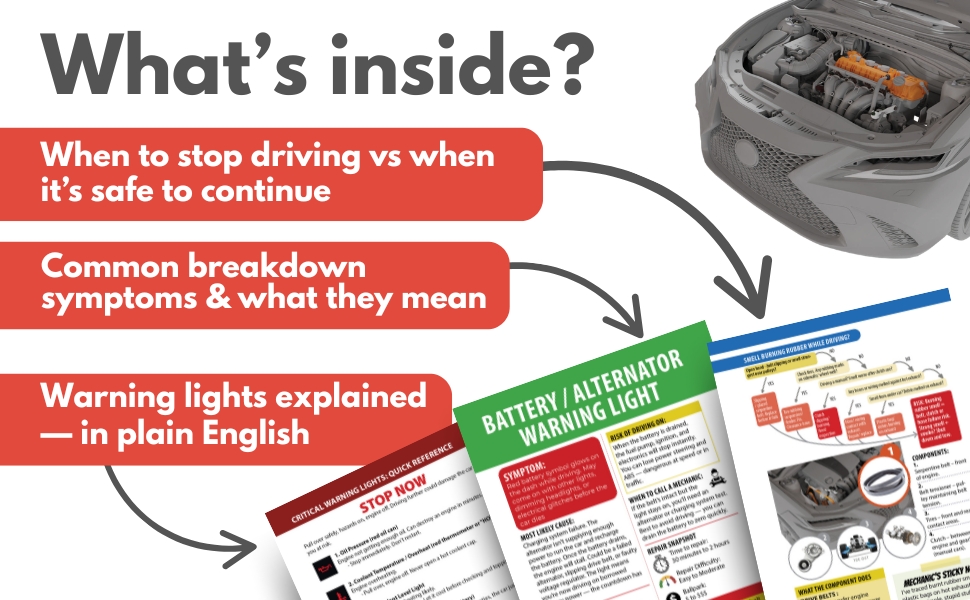
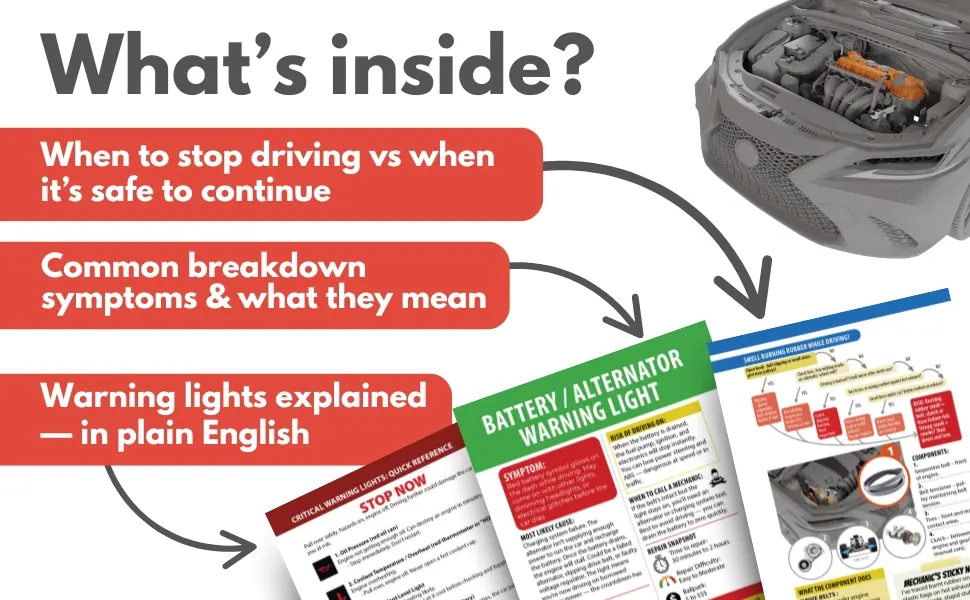
Visit our DIY Car Maintenance page and level up your car care skills — or keep the quick-reference version below in your glovebox.
Look inside on Amazon.com
Look inside on Amazon.com
- About the Author
- Latest Posts


Meet Northcap, a seasoned mechanic and roadside assistance expert with over 20 years of hands-on experience. At Rustyautos.com, Northcap shares exclusive insights into what really breaks down in cars, offering practical tips and real-world advice to keep drivers informed and their cars on the road.