Do This Immediately (10-Second Actions)
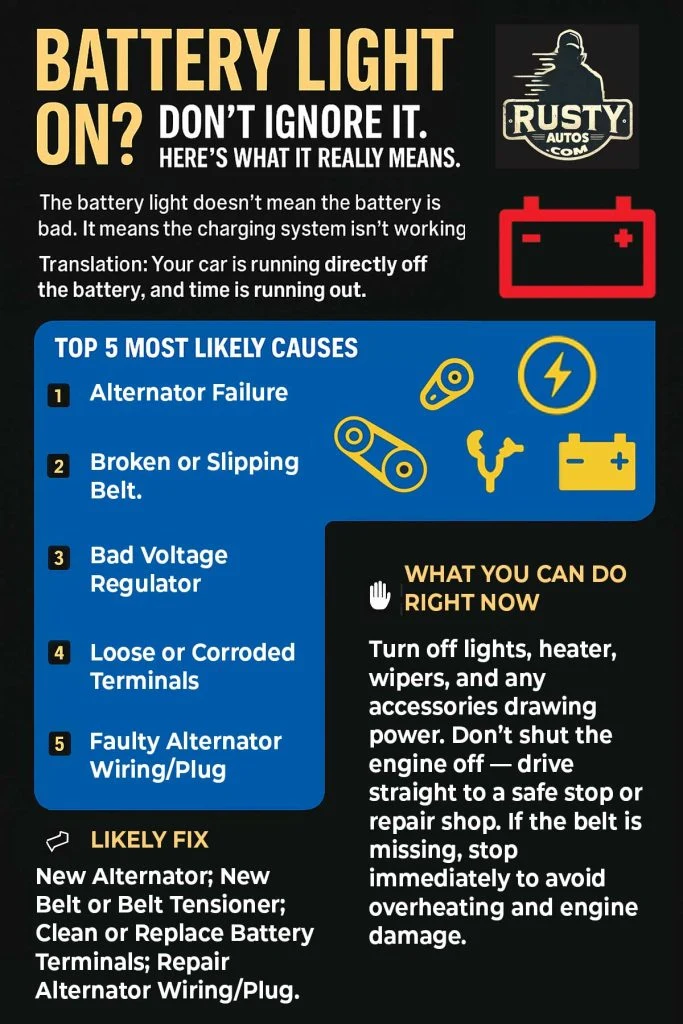
- Keep the engine running
- Turn off all electrics (A/C, heater, radio, lights, unless needed for safety)
- Drive to a safe place to stop – you’re on limited battery time


Drive to Safety.
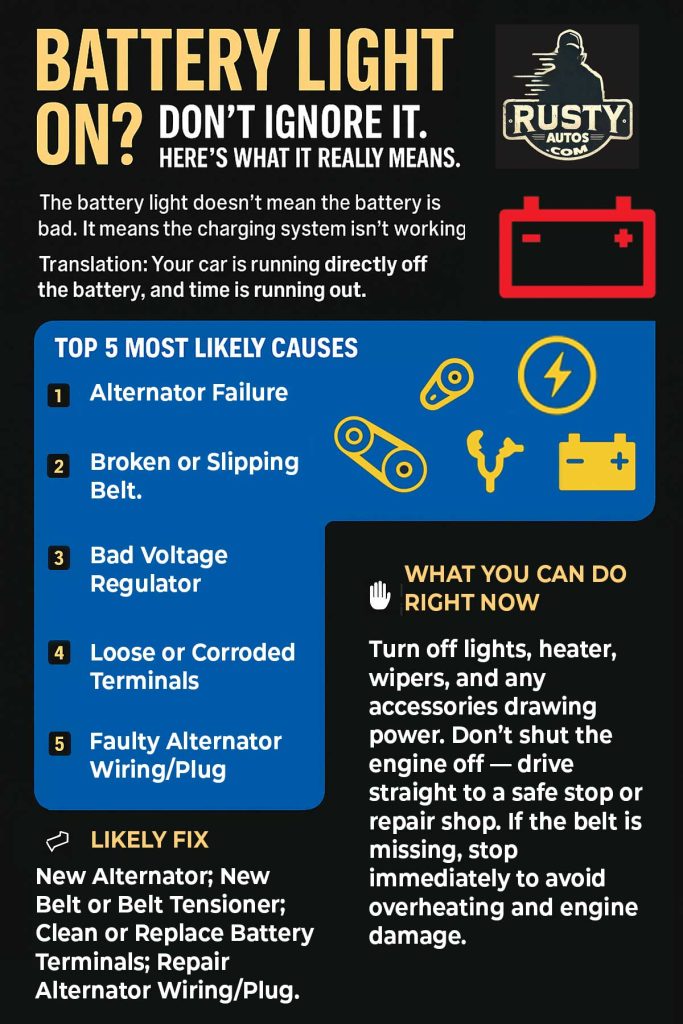
What It Really Means
A glowing battery symbol doesn’t mean the battery is bad – it means your car is running on borrowed time.
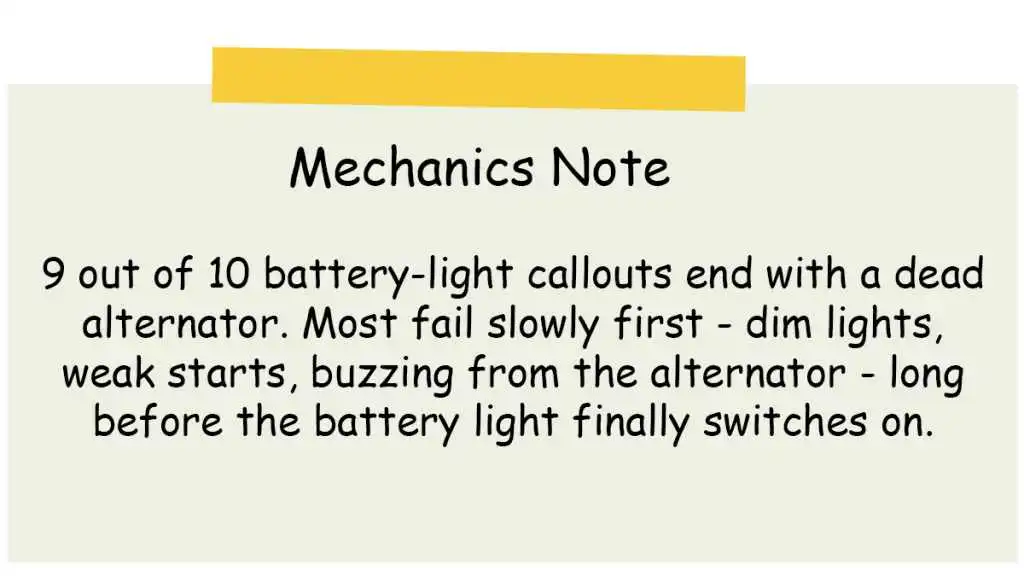
Once that light comes on, the alternator isn’t charging. You’re now driving on whatever power is left in the battery… and when it’s gone, the engine shuts down. No warning. No restart.
Most Likely Causes


1. Most Likely (70%)
- Alternator failure (brushes, regulator, internal fault)
2. Common (20%)

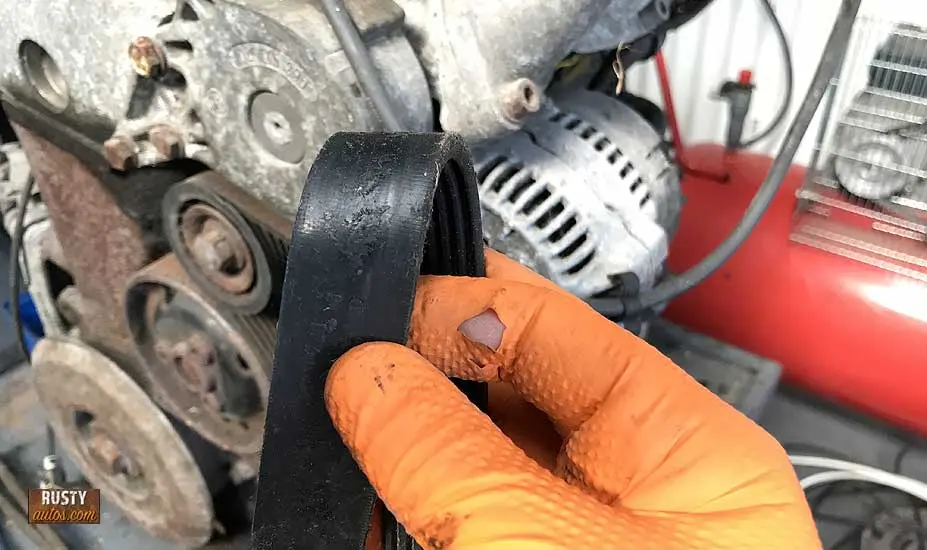
- Worn or slipping serpentine belt
- Loose battery/alternator terminal
- Corroded ground or main power cable
3. Possible (8%)


- Failing battery (shorted cell causing charging fault)
- Blown alternator fuse
4. Rare but Expensive (2%)


- ECU charging control failure
- Main engine harness fault
Why It Happens
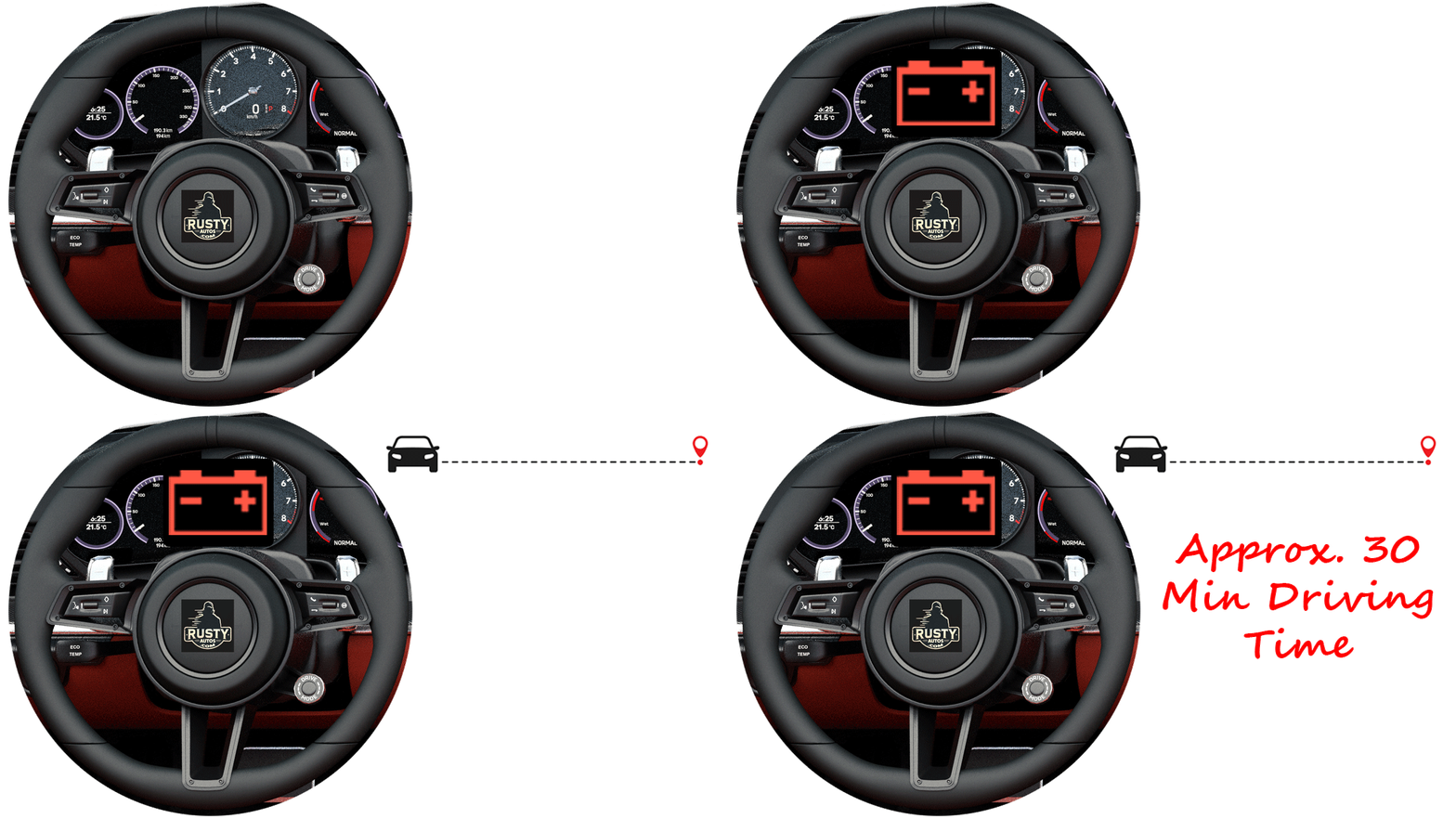
The battery light comes on when charging system voltage drops below the ECU’s minimum operating threshold (usually around 13V).
Voltage falling → ECU triggers battery light
When this happens, the car isn’t generating electricity – the battery is doing all the work, and it won’t last long.
What You Can Check (DIY Roadside Checks)
Fast, simple checks to prevent a breakdown:
1. Pop the hood — is the belt on?

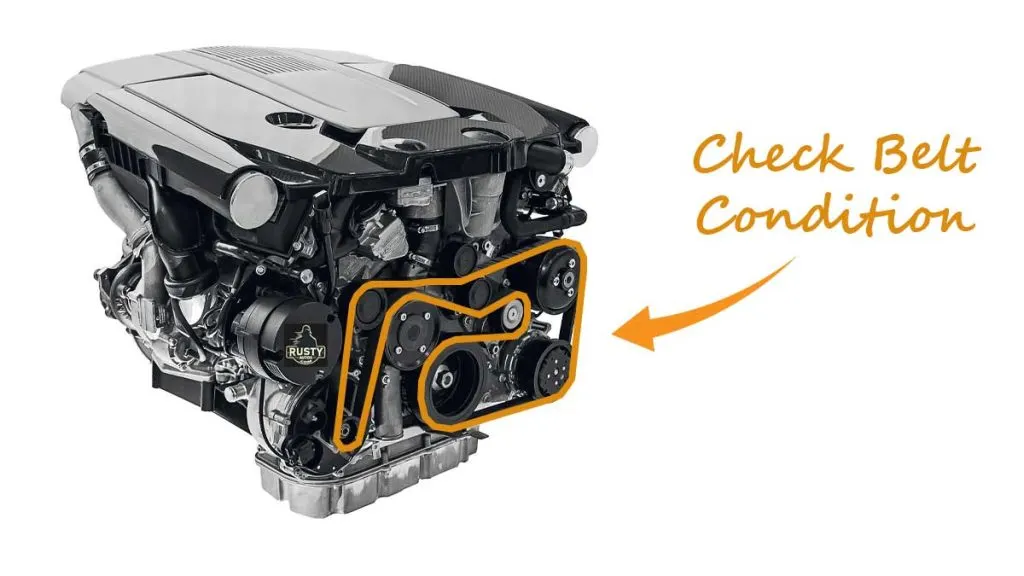
If the serpentine belt is missing, shredded, or slipping, stop driving immediately.
It doesn’t just drive the alternator; in many cars, it also powers the water pump and power steering.
2. Check battery terminals

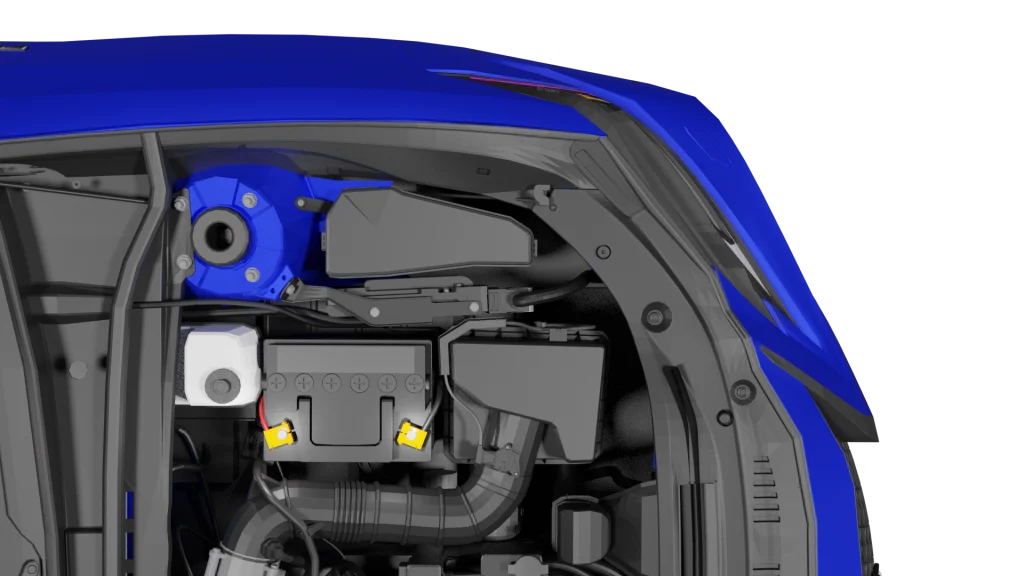
- Wiggle test — if a terminal moves, tighten it
- Look for white/green corrosion — clean if safe to do so
3. Sniff and listen
- Burnt smell + battery light = alternator cooked
- Squealing belt = slipping → low alternator output
4. Turn off all electrics
Lights, heater, A/C, radio — extend battery life as long as possible.
5. Keep the engine running
If you shut it off, it may not restart without a jump.


Limited Driving Time
Most cars will last at least 30 minutes driving after the light appears, depending on:
- Battery health
- Electrical load
If the dash starts flickering or steering gets heavy → shutdown is imminent, find somewhere to pull in.
Tool Spotlight
These tools make diagnosing and preventing charging failures easy:
- OBD2 Scanner — confirm charging voltage in live data
- Digital Multimeter — 12.6V off / 13.8–14.7V charging
- Portable Jump Pack — lifesaver when the alternator dies suddenly
- Battery Terminal Cleaner — improves charging instantly
You can check them out here on the tools page.
When to Call a Mechanic
Contact roadside assistance if:
- The serpentine belt is missing
- The engine stalls from a dead battery
- Steering goes heavy (belt off → no power steering)
- You smell burning or see smoke from the alternator area
If you’re close to home or a workshop and the car is still running, you may have just enough time, but you’re racing the battery.
Alternator Location

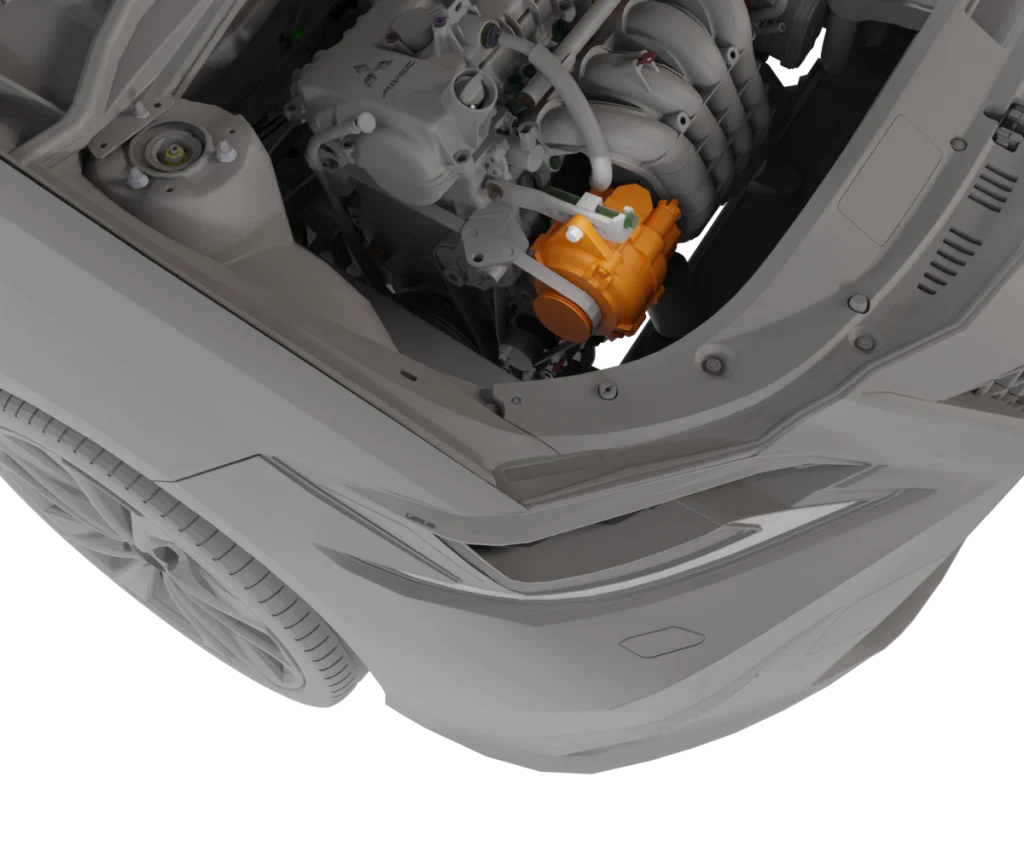
What The Alternator Does
The alternator converts mechanical energy from the engine into electrical power, keeping the battery charged and supplying voltage to all vehicle systems. It’s driven by the engine using a belt, which is referred to as the Drive, Alternator, or Serpentine belt.
If output drops, the ECU detects low system voltage and triggers the battery warning light.

Garage Lingo Translator
- Voltage Drop: System can’t maintain 13–14V
- Regulator Fault: Alternator can’t control output
- Glazed Belt: Belt polished smooth → slips
- Ground Issue: Corroded cable = low charging capacity

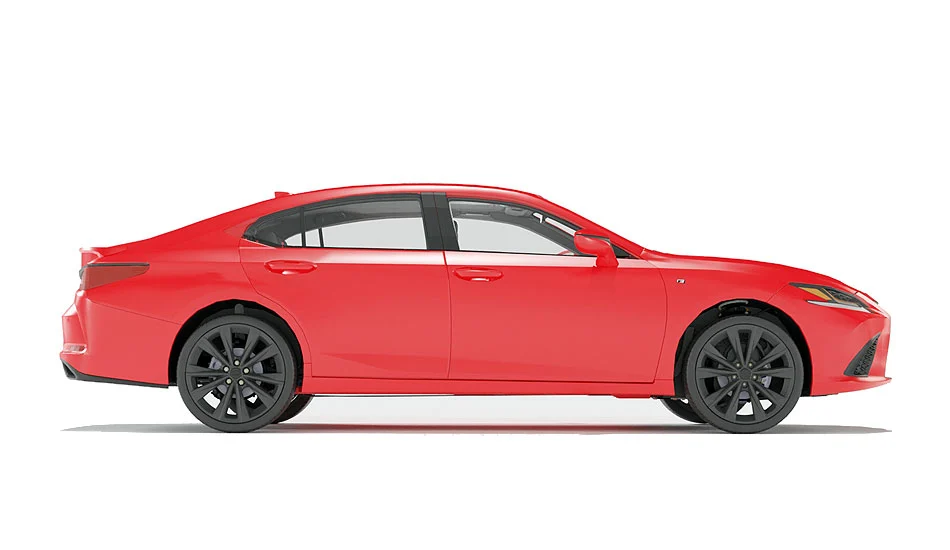
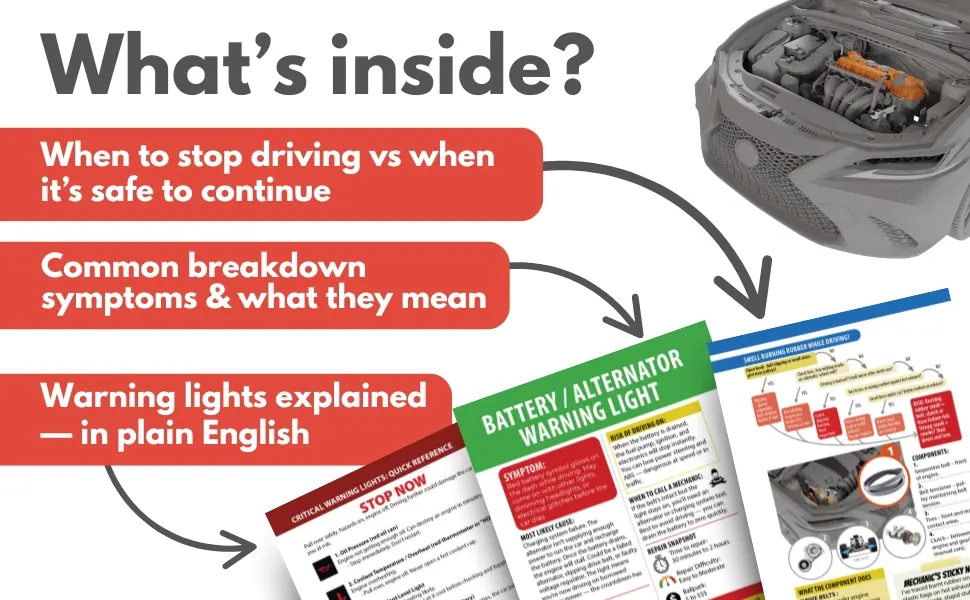
Visit our DIY Car Maintenance page and level up your car care skills — or keep the quick-reference version below in your glovebox.
Look inside on Amazon.com
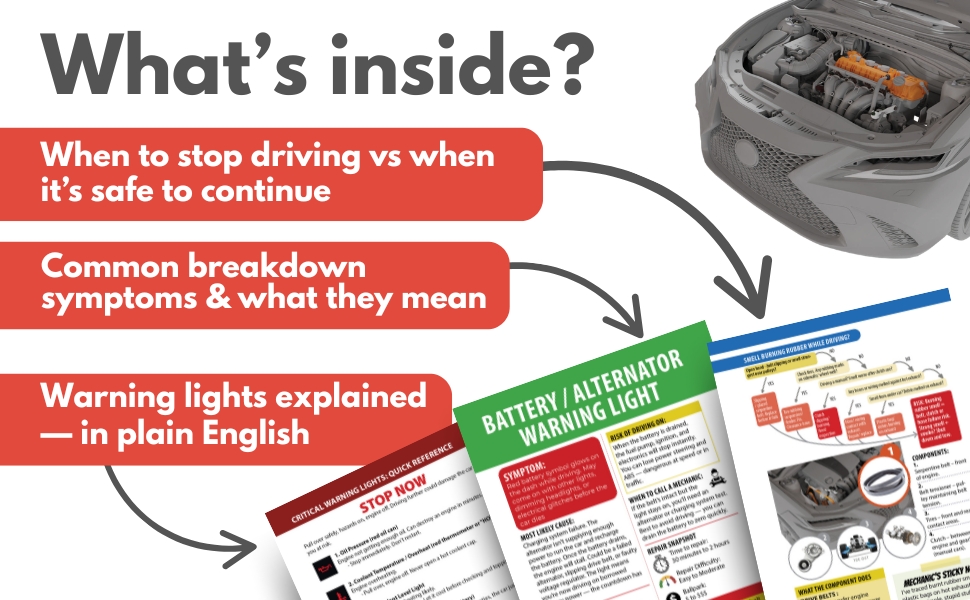
Look inside on Amazon.com
- About the Author
- Latest Posts


Meet Northcap, a seasoned mechanic and roadside assistance expert with over 20 years of hands-on experience. At Rustyautos.com, Northcap shares exclusive insights into what really breaks down in cars, offering practical tips and real-world advice to keep drivers informed and their cars on the road.