Hit the stalk and instead of sweeping, the blades crawl across the screen like they’re pushing through wet cement. Sometimes they freeze mid-swipe and leave you blind.
Why It Happens
Wipers rely on a small electric motor and linkages. When they slow or stick, either the motor’s tired, the linkages are seized, or the blades are dragging too much. Add old grease, corroded pivots, or weak power supply, and they give up right when you need them most.
Most Common Culprits
- Wiper motor worn out — can’t keep up under load.
- Linkage or pivots seized with rust/dried grease.
- Bad ground or weak battery/alternator — starving the motor.
- Oversized or heavy wiper blades — motor strains.
- Blown fuse or relay on the way out.
What You Can Check
- Listen — motor groaning slow = failing. Total silence = fuse/relay.
- Move wipers by hand (engine off) — stiff = seized pivots or linkages.
- Look at the blades — too big or aftermarket “monsters” can overload the motor.
- Check battery voltage — weak supply makes wipers crawl.
What a Mechanic Will Do
- Voltage test at the motor.
- Inspect and lubricate pivots/linkage.
- Test motor current draw.
- Replace motor or linkage if seized.
Rough Damage to Your Wallet
- Fuse/relay: $20–$50.
- Linkage clean/lube: $80–$150.
- Wiper motor: $250–$500.
- Complete linkage assembly: $200–$400.
When to Park It
Sluggish wipers in light drizzle? Annoying but doable. Stuck wipers in heavy rain? Game over — you’re driving blind. If they hesitate or stall mid-swipe, fix it before the next downpour.

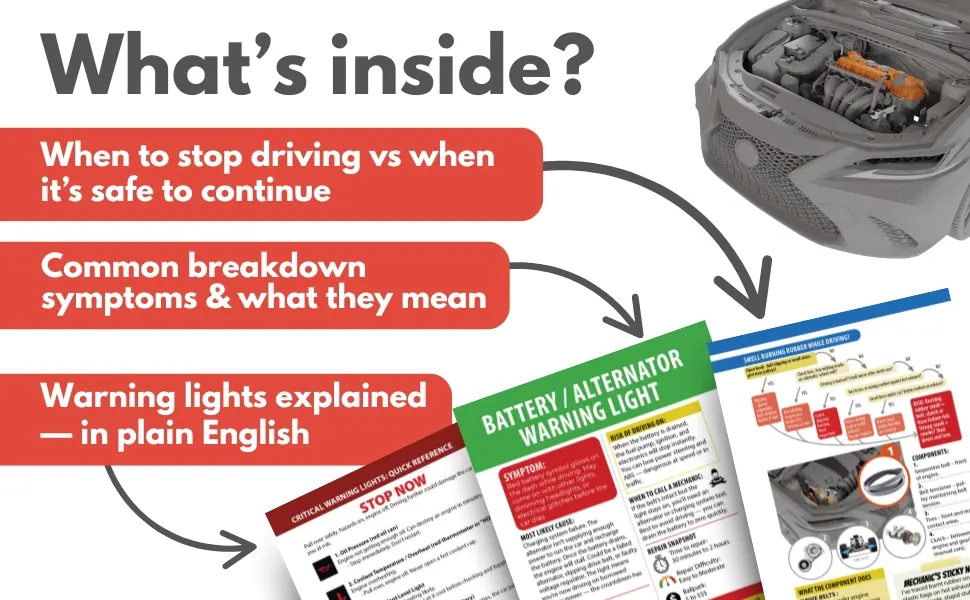
Visit our DIY Car Maintenance page and level up your car care skills — or keep the quick-reference version below in your glovebox.
Look inside on Amazon.com
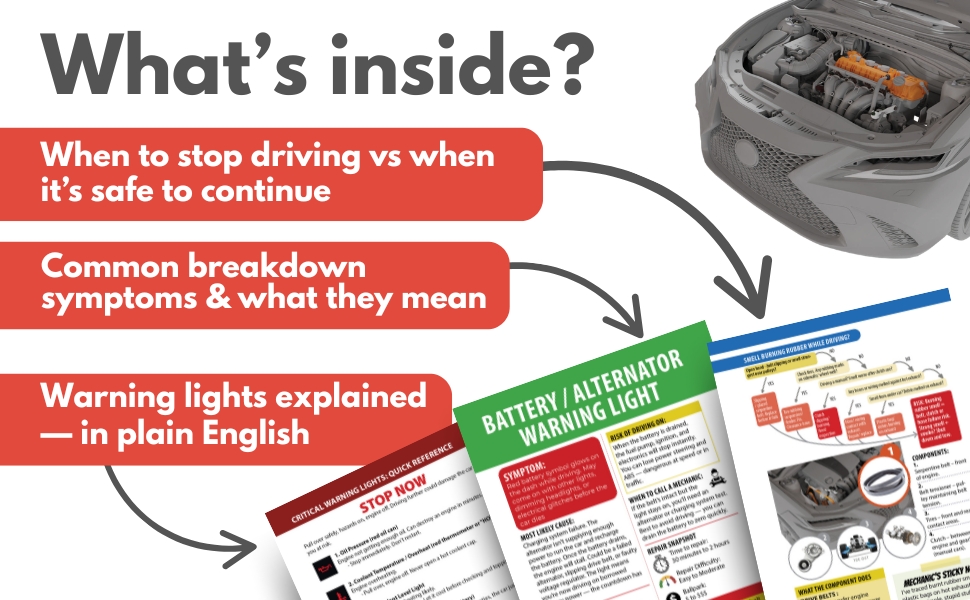
Look inside on Amazon.com
- About the Author
- Latest Posts


Meet Northcap, a seasoned mechanic and roadside assistance expert with over 20 years of hands-on experience. At Rustyautos.com, Northcap shares exclusive insights into what really breaks down in cars, offering practical tips and real-world advice to keep drivers informed and their cars on the road.