You start the engine…
And it just sits there revving.
Higher than normal. Sometimes much higher.
You’re not touching the pedal.
But the engine sounds like you are.
On roadside calls, this one shows up less and less.
Most of the time …It’s the engine getting too much air.
Simple as that.
What Is a Normal Idle Speed
Most engines idle somewhere around:
700 to 900 RPM when warm
A little higher when cold
If you’re seeing:
1000, 1200, 1500 RPM or more when fully warm
That’s a high idle.
And something’s off.
Why Engines Idle High
At idle, the engine should only get a small, controlled amount of air.
The ECU meters fuel to match that air.
If extra air sneaks in…
The engine speeds up.
So think of it like this.
High idle is usually an air problem, not a fuel problem.
Most Common Cause – Vacuum Leak
This is the big one.
Air is getting into the engine without being measured.
That throws everything off.…
And the idle rises.
Where Vacuum Leaks Happen
Cracked vacuum hoses
Loose or split intake pipes
Leaking intake manifold gasket
Brake booster hose leaks
On older cars, rubber hoses harden and crack over time.
On roadside jobs, I’ve found plenty just by listening for a faint hissing sound or spraying some starter fluid around suspect areas and listening for engine rpm change.
Stuck or Dirty Throttle Body
The throttle controls airflow into the engine.
If it sticks slightly open, more air gets through.
More air equals higher idle.
What Causes It
Carbon build-up around the throttle plate
Sticky electronic throttle motor
Throttle plate not closing fully
This is very common, especially on cars that do a lot of short trips.
Idle Air Control Valve Issues
On older vehicles, an idle air control valve manages idle speed.
If it sticks open, it lets in too much air.
Result is a high idle.
Symptoms
Idle stays high even when warm
Idle may surge or fluctuate
Cleaning sometimes helps, sometimes replacement is needed
Faulty Coolant Temperature Sensor
The engine runs a higher idle when cold.
That’s normal.
But if the coolant sensor is lying to the ECU…
The engine thinks it’s cold all the time.
So it keeps the idle high.
Clues
High idle even when fully warm
Poor fuel economy
Cooling fan behaviour may seem off
This one is easy to miss without a scan tool.
Sticking Accelerator Cable or Pedal
On older cable-operated systems, the throttle cable can stick.
On newer cars, the accelerator is electronically controlled, and in my experience it rarely causes a high idle. The exception – something physically stops the pedal from returning fully, like a jammed floor mat. Rare, but it can happen.
What to Check
Pedal not returning smoothly
Cable binding or fraying
Debris around pedal area
I’ve seen floor mats cause this more than once.
Simple, but real.
ECU Relearn After Battery Disconnect
This one catches people out.
Battery disconnected or replaced…
Now the car idles high.
The ECU has lost its learned idle settings.
It needs time to relearn.
What Happens
Idle may be high or unstable
Usually settles after some driving
Sometimes needs a relearn procedure
You mentioned this before with throttle calibration. It’s a real thing.
Air Intake or Sensor Issues
The ECU relies on sensors to control idle.
If they give bad data, idle control suffers.
Common Culprits
Dirty MAF sensor
Faulty MAP sensor
Air leaks after the sensor
If the ECU thinks less air is entering than actually is, it adds fuel and raises idle.
Fast Idle on Cold Start
Not always a fault.
When cold, engines idle higher to:
Warm up faster
Stabilize combustion
Reduce stalling
But once warm, it should drop.
If it doesn’t, that’s when you investigate.
Quick Checks You Can Do
Start simple.
Is the engine cold or fully warm
Listen for hissing sounds around the intake
Check for loose or cracked hoses
Blip the throttle and see if it returns properly
Check that the pedal moves freely
A visual inspection can catch a lot.
When It’s Probably Not Serious
Slightly high idle on cold start
Idle settles after a few minutes
No warning lights
These are usually normal or minor.
When It Needs Attention
Idle stays high when warm
Idle is unstable or surging
Fuel consumption has increased
Engine feels like it’s working harder than it should
That’s when you dig deeper.
Can You Drive With a High Idle
Usually, yes.
But it’s not ideal.
High idle increases:
Fuel consumption
Engine wear over time
Stress on components
Fix it sooner rather than later.
How a Mechanic Diagnoses It
On a roadside job, this is quick.
Listen for vacuum leaks
Check live data from sensors
Inspect throttle body
Look at coolant temperature readings
Confirm idle control operation
Within minutes, you narrow it down.
Cost and Severity
Vacuum leaks are usually cheap fixes
Throttle cleaning is low cost
Sensors are moderate
Idle control valve replacement varies
Most high idle issues are not expensive if caught early.
Quick FAQ
Why is my car idling high
Usually extra air is entering the engine or the ECU thinks it needs more air.
Is high idle dangerous
Not immediately, but it should be fixed to avoid long-term issues.
Can a vacuum leak cause high idle
Yes, it’s the most common cause.
Will it fix itself
Sometimes after a battery reset, but most faults won’t go away.
Should I worry
Only if it stays high when warm or gets worse over time.
Start with air leaks and throttle. That’s where the answer usually is.

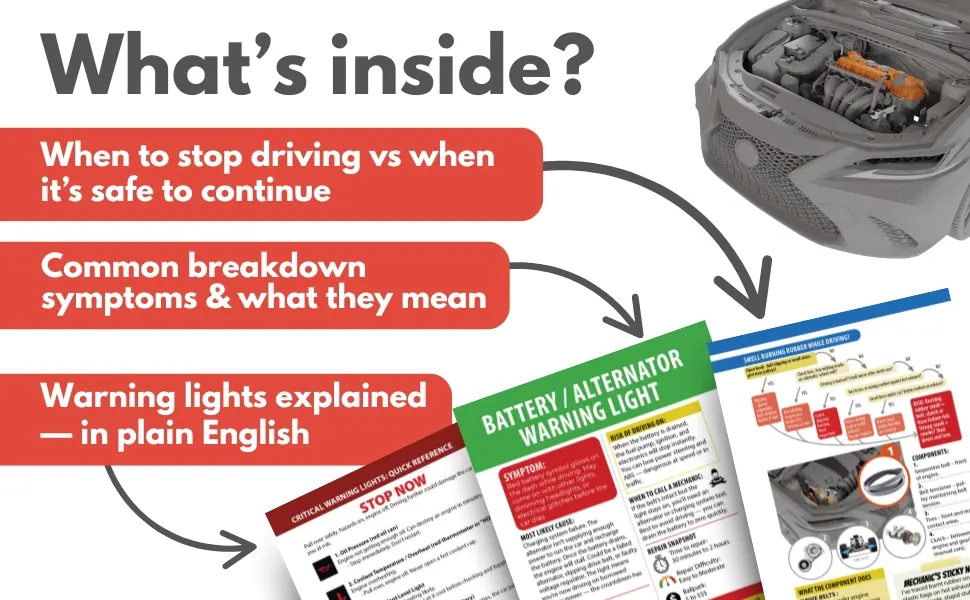
Visit our DIY Car Maintenance page and level up your car care skills — or keep the quick-reference version below in your glovebox.
Look inside on Amazon.com
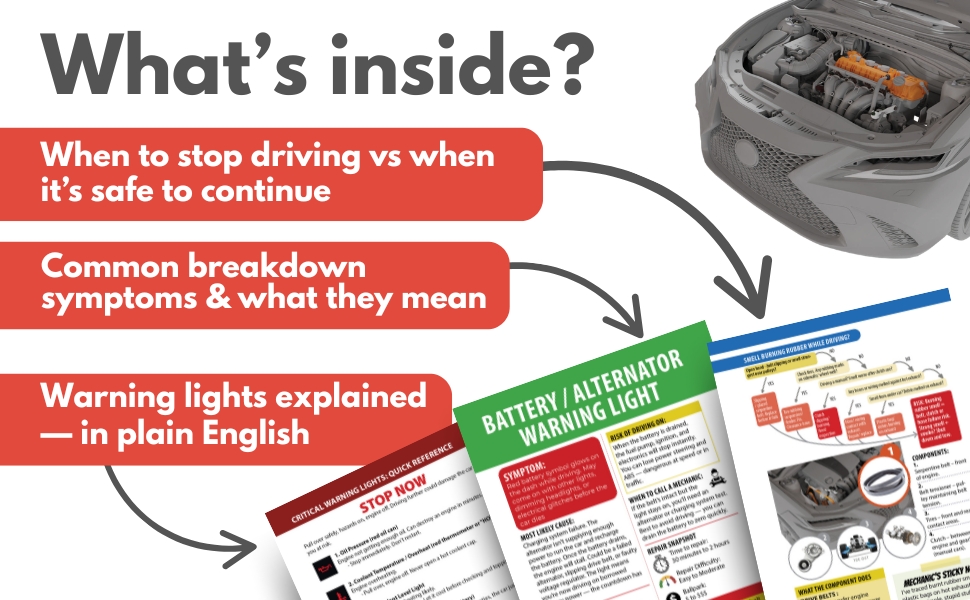
Look inside on Amazon.com
- About the Author
- Latest Posts


Meet Northcap, a seasoned mechanic and roadside assistance expert with over 20 years of hands-on experience. At Rustyautos.com, Northcap shares exclusive insights into what really breaks down in cars, offering practical tips and real-world advice to keep drivers informed and their cars on the road.