You’re driving along…
And there it is.
A high-pitched whine. Sometimes faint. Sometimes loud enough to annoy you.
It might rise with speed. It might change with gears.
Many drivers say the same thing.
“Transmission’s gone.”
On roadside calls, that’s not always true.
A whining noise can come from a lot of places.
So before you panic, we break it down.
Simple stuff first.
First – What Does the Whine Do
This matters more than the noise itself.
Listen carefully.
Does it change with engine speed or road speed
Does it change when you press the clutch
Does it change when you shift gears
Does it change when turning
Those answers point you in the right direction fast.
If It Changes With Road Speed
This is your first big clue.
If the pitch rises as the car speeds up, regardless of engine RPM…
You’re looking at something in the drivetrain.
Possible Causes
Manual or automatic transmission bearings
Differential gears
Wheel bearings
Transfer case on 4WD vehicles
Rear differential on rear-wheel drive cars
These all spin with the wheels, not the engine.
Wheel Bearing Example
Classic one.
Whine or hum that gets louder with speed
Often changes slightly when turning left or right
Drivers swear it’s the transmission
It isn’t.
If It Changes With Engine Speed
Now we’re in a different area.
If the whine follows RPM even when the car isn’t moving…
That’s not the transmission.
That’s engine-driven.
Common Causes
Alternator bearing
Power steering pump
Idler pulley or tensioner
Worn serpentine belt components
These create a clean, high-pitched whine that rises with revs.
Very easy to misdiagnose.
Manual Transmission Causes
Now let’s talk actual gearbox.
Manuals have some very telltale whining patterns.
Input Shaft Bearing
Whine present in neutral with clutch engaged
Noise often changes when clutch is pressed
This is a common wear point.
Internal Gearbox Bearings
Whine in specific gears
Noise may get louder under load
Often worse as speed increases
This is internal wear.
Release Bearing Noise
This one’s classic.
Noise at idle with clutch pedal released
Press the clutch and the noise disappears
That’s your release bearing.
Very common. Usually not urgent, but it won’t fix itself.
Differential Inside Gearbox
On front-wheel drive manuals, the differential is part of the gearbox.
A whine under load or on overrun can come from here.
Automatic Transmission Causes
Automatics have their own set of noises.
Low or Worn Transmission Fluid
One of the most common causes.
Fluid loses its ability to lubricate properly.
Result is whining, especially during acceleration.
Always worth checking first.
Transmission Pump Whine
High-pitched whine that follows engine speed
Often noticeable in park or neutral
This is internal to the transmission.
Torque Converter Noise
Can produce a whine or subtle howl
Often linked to load or acceleration
Not always obvious, but it shows up under certain conditions.
CVT Transmission Whine
If fitted, CVTs often produce a steady whine by design.
But excessive noise can indicate wear or fluid issues.
Rear-Wheel Drive and 4WD
Now we widen the net.
Rear Differential
Whine that increases with speed
Often worse on acceleration or deceleration
Very commonly mistaken for transmission noise
Driveshaft and U-Joints
More of a vibration or clunk usually
But can create noise at speed if worn
Transfer Case
On 4WD vehicles
Whine that varies with speed or load
Often overlooked
When It’s Not the Transmission at All
This happens a lot.
Driver hears a whine
Assumes gearbox
But it’s something simple.
Common Misdiagnosed Noises
Wheel bearings
Accessory pulleys
Tyre noise on certain road surfaces or failing tyre
Brake components lightly dragging
This is why we don’t jump to conclusions.
Quick Checks You Can Do
Think like a mechanic.
Does the noise happen when stationary
Does pressing the clutch change it
Does it change with speed or revs
Does it change when turning
These answers narrow it down quickly.
When It’s Likely Serious
Whine getting louder over time
Noise present in multiple gears
Accompanied by vibration or poor shifting
Fluid leaks or burning smell
That points toward internal wear.
When It’s Less Urgent
Light release bearing noise
Mild whine that hasn’t changed
Known tyre or road noise
Still worth checking, but not panic territory.
Can You Drive With a Whining Noise
Depends on the cause.
Wheel bearing or diff noise can worsen quickly
Transmission issues can become expensive fast
Accessory noise is usually less urgent
If the noise is getting worse, don’t ignore it.
How a Mechanic Diagnoses It
On a roadside job, this is all about pattern recognition.
Check fluids
Test clutch engagement
Listen to the noise
Road test if possible
Match it to engine speed or road speed
Within minutes, you’re narrowing it down.
Cost and Severity
Wheel bearing is moderate and common
Differential repairs can be expensive
Manual gearbox issues vary
Automatic transmission repairs can get costly
Accessory components are usually cheaper fixes
This is why diagnosis matters more than guessing.
Quick FAQ
Is a whining transmission always bad
Not always. It depends on the source of the noise.
Can low fluid cause whining
Yes, especially in automatic transmissions.
What does a bad wheel bearing sound like
A steady hum or whine that increases with speed.
Why does the noise change when I press the clutch
That points toward manual transmission components like bearings.
Should I ignore a whining noise
No. It usually gets worse and more expensive over time.

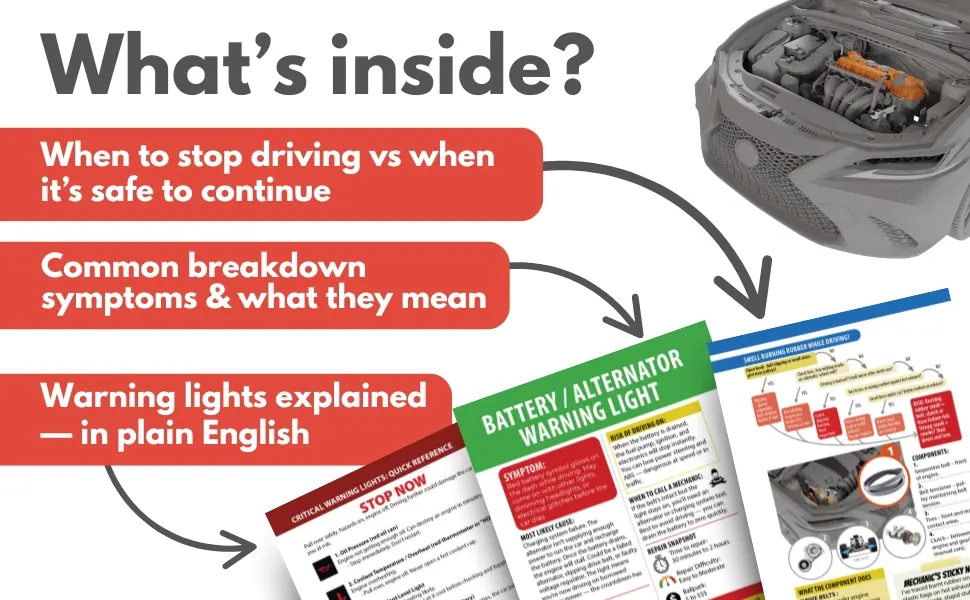
Visit our DIY Car Maintenance page and level up your car care skills — or keep the quick-reference version below in your glovebox.
Look inside on Amazon.com
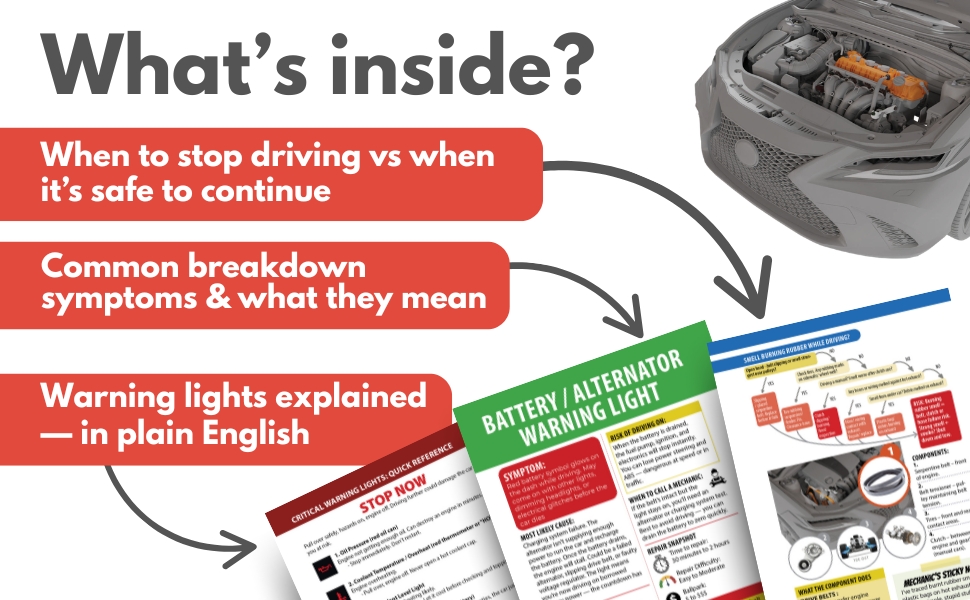
Look inside on Amazon.com
- About the Author
- Latest Posts


Meet Northcap, a seasoned mechanic and roadside assistance expert with over 20 years of hands-on experience. At Rustyautos.com, Northcap shares exclusive insights into what really breaks down in cars, offering practical tips and real-world advice to keep drivers informed and their cars on the road.