You lift the trunk floor…
And there it is.
Water. Damp carpet. Maybe even a musty smell.
Let’s dive in.
First — How Bad Is It?
Before chasing the source, check what you’re dealing with.
Light dampness usually means a slow leak.
Standing water means it’s been getting in for a while.
Also check:
- Is the spare wheel well full of water?
- Is the carpet soaked or just damp?
- Any mould or strong smell?
This helps narrow things down.
Failed Trunk Seal
This is the obvious one.
The rubber seal around the trunk opening keeps water out.
If it’s damaged, flattened, or misaligned, water gets past it.
What causes it:
- Age and wear
- Dirt stopping proper sealing
- Misaligned trunk lid
- Previous repair work
What you’ll notice:
- Water around the edge of the trunk
- Damp near the seal area
- Seal looks cracked or compressed
Quick check:
Run your hand around the seal. If it feels hard or uneven, it’s suspect.
Tail Light Seal Leak
Very common.
Tail lights are mounted through the body, and there’s a gasket behind them to keep water out.
When that fails, water runs in behind the trim and ends up in the trunk.
Symptoms:
- Water pooling in one corner
- Damp behind side trim panels
- No obvious leak from above
This catches people out. The trunk seal looks fine… but the tail light is the real culprit.
Blocked Drain Channels
Cars are designed to channel water away from certain areas.
If drains get blocked, water backs up and finds its way inside.
Common areas:
- Around trunk lid hinges
- Rear window channels
- Sunroof drains (yes, even for trunk leaks)
Signs:
- Water appears after heavy rain
- No visible seal damage
- Debris in drain areas
Fix:
Clearing drains can solve the issue instantly.
Rear Window or Body Seal Leak
Water doesn’t always enter at the trunk.
It can come in through the rear window seal or body seams…
Then travel down into the trunk.
What to look for:
- Damp headliner at the back
- Water marks inside panels
- Moisture behind trim
Key point:
Water travels. The entry point is often higher than where you find it.
Cracked Body Seams or Rust
Older cars especially.
Seams are sealed at the factory, but over time, sealant can crack.
Rust can also create small holes that let water in.
Signs:
- Rust around trunk edges or seams
- Damp that returns even after drying
- No obvious seal failure
Reality:
This takes a bit more work to fix properly.
Boot Vent Flaps (Hidden Entry Point)
Most people don’t even know these exist.
Behind the rear bumper are vent flaps that allow cabin air to escape when you close doors.
They’re sealed to the body.
If they fail… water gets in.
Symptoms:
- Water in spare wheel well
- No visible leak from above
- Worse after driving in rain
Loose or Missing Grommets
There are rubber plugs (grommets) in the trunk floor and body.
They seal holes used during manufacturing.
If they’re missing or loose:
Water can splash up from the road straight into the trunk.
Check for:
- Missing rubber plugs
- Loose fittings
- Signs of water entry from below
Damaged Weatherstripping After Repairs
If the car has had rear-end work, this is worth checking.
Poor reassembly can leave gaps.
Signs:
- Leak started after repair
- Misaligned panels
- Uneven gaps around trunk
Quick Test You Can Do
This works well.
Dry the trunk completely.
Then have someone run a hose over the rear of the car.
You sit inside (yes, really) with a torch and watch.
You’ll usually spot the entry point within minutes.
Can You Ignore It?
Short answer. No.
Water in the trunk leads to:
- Electrical issues (wiring often runs back there)
- Mould and bad smells
- Rust over time
- Damage to carpets and trim
Leave it long enough, and it becomes a much bigger job.
When to Call a Pro
If you can’t find the source after basic checks, it may need:
- Trim removal
- Pressure testing
- Sealant repair
That’s where a shop earns its keep.
Bottom Line
Water in the trunk is almost never random.
It’s getting in somewhere specific.
And it’s usually a failed seal or blocked drain.
Start with the obvious.
Then think sideways.
Because where the water shows up…
Is rarely where it starts.


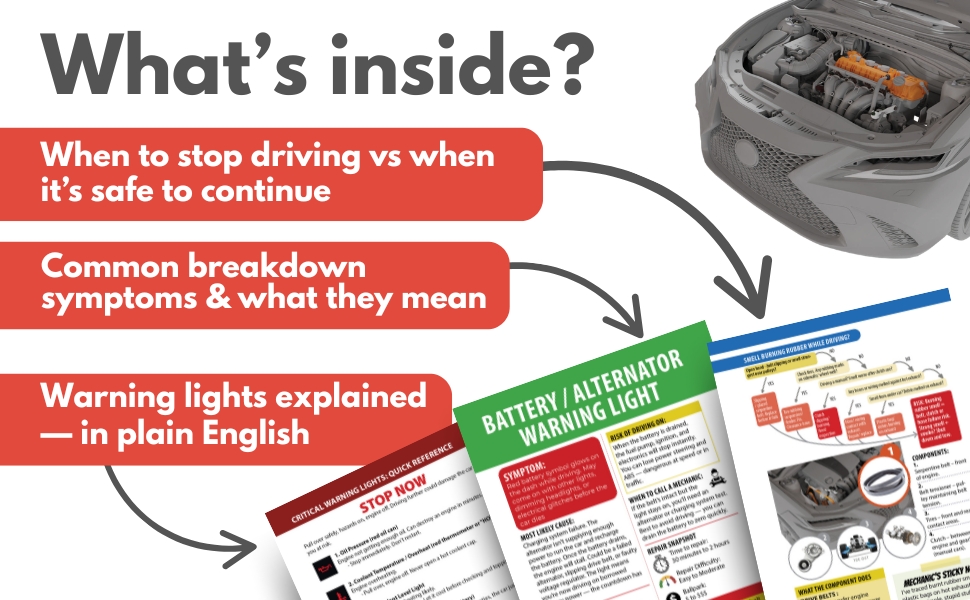
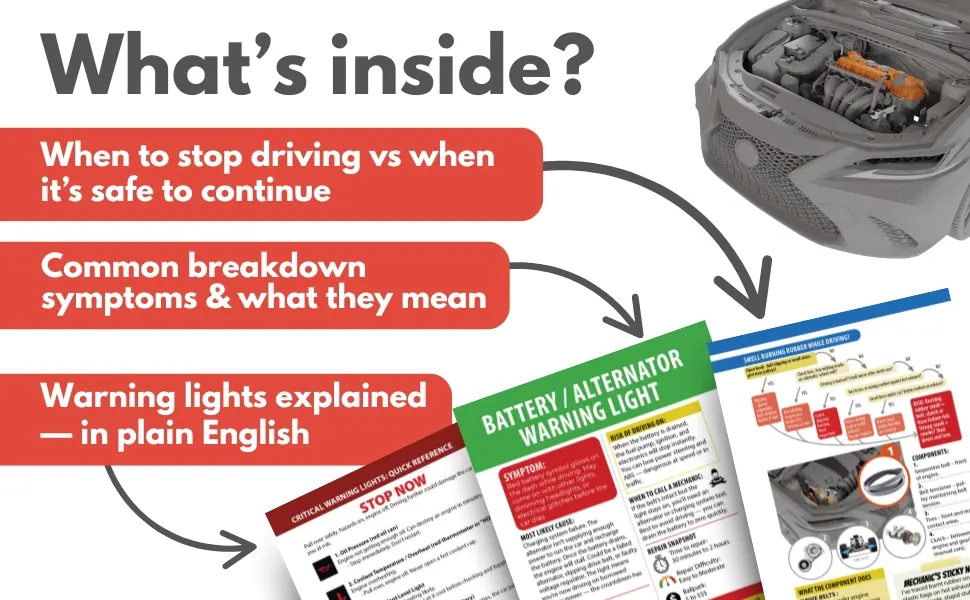
Visit our DIY Car Maintenance page and level up your car care skills — or keep the quick-reference version below in your glovebox.
Look inside on Amazon.com


Look inside on Amazon.com
- About the Author
- Latest Posts


Meet Northcap, a seasoned mechanic and roadside assistance expert with over 20 years of hands-on experience. At Rustyautos.com, Northcap shares exclusive insights into what really breaks down in cars, offering practical tips and real-world advice to keep drivers informed and their cars on the road.