You start the engine…
And you hear it.
Tick. Tick. Tick.
Light. Fast. Almost like a sewing machine.
Sometimes it fades. Sometimes it stays.
Most ticking noises aren’t catastrophic.
But they’re never random.
First – What Kind of Tick Is It
Before jumping to conclusions, listen.
That tells you more than any scan tool.
Fast, Light Ticking From Top of Engine
Follows engine speed
Often louder on cold start
Usually top-end related
This is the most common type.
Ticking That Fades As Engine Warms
Present on cold start
Gets quieter or disappears after a few minutes
Often oil-related
Usually not serious if addressed early.
Ticking That Gets Louder With RPM
Speeds up as you rev the engine
Doesn’t disappear when warm
This needs attention.
Most Common Cause – Low or Dirty Engine Oil
Oil is what keeps everything moving smoothly.
If it’s low, dirty, or the wrong grade…
You’ll hear it.
Top-end components rely on oil pressure.
When that drops, they start to tick.
What to Check
Oil level
Oil condition
Service history
I’ve lost count of how many ticking engines were simply low on oil.
Simple fix. If caught early.
Hydraulic Lifters (Tappets)
These are designed to maintain proper valve clearance automatically.
They rely on oil pressure to work.
If they stick or don’t fill properly, they tick.
Symptoms
Rapid ticking from top of engine
Often worse on cold start
May improve as oil circulates
Sometimes a good oil change helps.
Sometimes they need replacing.
Valve Train Wear
Over time, components wear.
Clearances increase.
And you hear ticking.
Possible Causes
Worn camshaft lobes
Worn rocker arms
Incorrect valve clearance on adjustable systems
This is more common on high-mileage engines.
Fuel Injector Noise
This one surprises people.
Injectors make a ticking sound by design.
Especially on modern engines.
What It Sounds Like
Sharp, consistent ticking
Even across all cylinders
No change in performance
This is normal.
Not a fault.
Exhaust Leak (Often Mistaken for Ticking)
A small exhaust leak can sound exactly like a tick.
Especially near the engine.
Clues
Ticking increases with load
Noise may fade as engine warms
Soot marks near exhaust joints
Very commonly misdiagnosed.
Low Oil Pressure
Different from just low oil level.
This is when the system isn’t building enough pressure.
That starves the top end of lubrication.
Signs
Persistent ticking
Warning light may appear
Noise doesn’t improve much with time
This needs attention quickly.
Timing Chain or Tensioner Issues
If the timing chain is loose or the tensioner is failing…
You may hear a ticking or rattling noise.
What to Notice
Noise from front of engine
Gets worse on startup
May evolve into a rattle if ignored
This one can turn serious if left.
Piston or Bottom-End Noise (Less Common)
Most ticking is top-end.
But sometimes deeper issues can sound similar early on.
Clues
Tick turning into knock
Noise getting heavier over time
Loss of power
This is where it crosses into serious territory.
Quick Checks You Can Do
Start simple.
Check oil level immediately
Listen if the noise changes when warm
Blip the throttle and listen for change
Try to locate whether it’s top or bottom of engine
These steps tell you a lot.
When It’s Likely Harmless
Light ticking on cold start
Noise disappears when warm
No performance issues
Often just oil-related or normal operation.
When It Needs Attention
Ticking stays when warm
Noise getting louder
Accompanied by warning lights
Loss of performance
That’s when you act.
Can You Drive With a Ticking Engine
Sometimes yes, short term.
But it depends on the cause.
If it’s oil-related, you’re risking damage.
If it’s wear-related, it will worsen.
Best approach is to diagnose early.
How a Mechanic Diagnoses It
On a roadside job, it starts with listening.
Locate the source of the tick
Check oil level and condition
Use a stethoscope if needed
Scan for faults
Confirm oil pressure if suspected
Most of the time, the sound points you straight to the issue.
Cost and Severity
Oil-related issues are cheap fixes
Lifter issues are moderate
Valve train repairs vary
Timing components can be costly
Bottom-end problems are expensive
Catching it early makes all the difference.
Quick FAQ
Is engine ticking always bad
No, but it should always be checked.
Can low oil cause ticking
Yes, it’s one of the most common causes.
Are fuel injectors supposed to tick
Yes, a light ticking from injectors is normal.
Will thicker oil stop the ticking
It might mask it, but it won’t fix the root cause.
Should I ignore it
Yes, and turn up the radio too………ah, no. It’s an early warning sign. you should take action now.


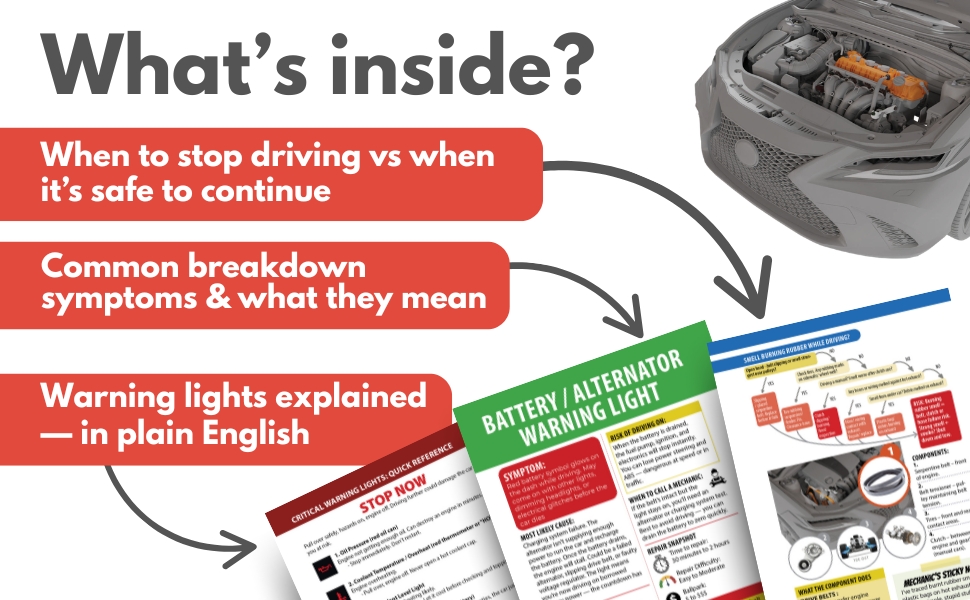
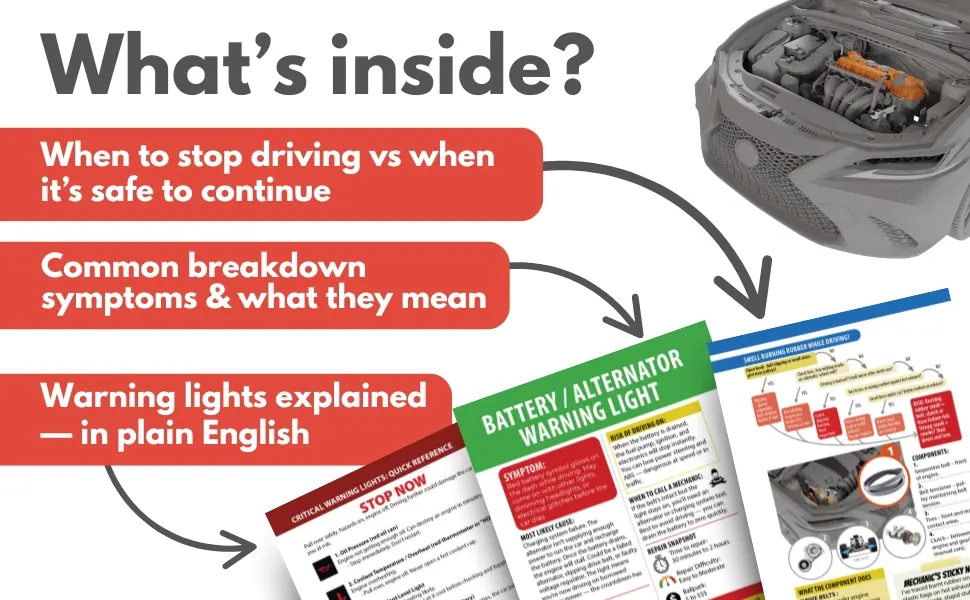
Visit our DIY Car Maintenance page and level up your car care skills — or keep the quick-reference version below in your glovebox.
Look inside on Amazon.com
Look inside on Amazon.com
- About the Author
- Latest Posts


Meet Northcap, a seasoned mechanic and roadside assistance expert with over 20 years of hands-on experience. At Rustyautos.com, Northcap shares exclusive insights into what really breaks down in cars, offering practical tips and real-world advice to keep drivers informed and their cars on the road.