You’re driving along…
And then you hear it.
A knocking. A tapping. Sometimes a deep thud.
It might get louder with revs. It might fade at idle.
Either way, it gets your attention fast.
On roadside calls, this one matters. Because sometimes it’s minor.
And sometimes… it’s game over.
First – What Kind of Knock Are You Hearing
Not all knocks are the same.
You hear a noise and assume the worst.
But in the trade, we break it down first.
Light Metallic Knock Under Load
Sounds like a pinging or rattling.
Usually happens when accelerating.
Often disappears at idle.
This points toward combustion issues.
Deep Heavy Knock From Low in Engine
Dull. Thudding. Rhythmic.
Gets louder with engine speed.
This is the one you don’t want.
Bottom end trouble.
Ticking or Tapping From Top of Engine
Lighter. Faster. More like a sewing machine.
Often louder on cold start.
Usually top-end related.
Less serious, but still needs attention.
Cause One – Engine Knock or Pre-Ignition
This is very common.
Especially under acceleration.
It’s not a mechanical knock. It’s combustion happening at the wrong time.
Instead of a smooth burn, the fuel ignites unevenly.
That creates a sharp knocking sound.
Why It Happens
Wrong fuel, especially low octane
Carbon build-up in the combustion chamber
Overheating
Faulty knock sensor
Incorrect ignition timing
On older engines, this was more common. But even modern engines can suffer if conditions are right.
What It Feels Like
Knock when accelerating
Loss of power
Sometimes hesitation
Ease off the throttle, and it disappears.
Cause Two – Carbon Build-Up
Carbon acts like a hot spot inside the engine.
It can ignite fuel before the spark plug fires.
That leads straight to knocking.
Where It Builds
On piston tops
Inside combustion chamber
Around valves
Direct injection engines are especially prone to this.
Over time, it changes how the engine burns fuel.
Cause Three – Wrong Fuel
This is more common than you’d think.
Simply using fuel with too low an octane rating
Wrong fuel changes combustion completely.
Result can be knocking, rough running, or no start at all.
If the noise appeared right after refuelling, that’s your clue.
Cause Four – Low Oil or Poor Lubrication
Oil is what separates metal parts inside the engine.
No oil film means metal touching metal.
That’s when knocking starts.
Early Signs
Engine sounds louder than normal
Tapping or light knocking
Warning light may or may not be on
If ignored, it progresses.
Fast.
Cause Five – Worn Rod Bearings (Bottom End Knock)
This is the serious one.
A deep knocking noise from the lower engine.
Each knock is the connecting rod hitting the crankshaft due to excessive clearance.
What It Sounds Like
Deep, dull knock
Gets louder under load
Follows engine speed
Doesn’t go away when warm
On roadside calls, when I hear this, I already know the outcome.
Engine rebuild or replacement.
Cause Six – Piston Slap
More common on cold starts.
As the engine warms, the noise often fades.
The piston is slightly loose in the cylinder.
Not always catastrophic, but not ideal either.
What to Notice
Knocking when cold
Reduces as engine warms
More common in high-mileage engines
Cause Seven – Valve Train Noise
Top-end ticking or knocking.
Usually lighter and faster than bottom-end knock.
Possible Causes
Worn camshaft lobes
Faulty hydraulic lifters
Incorrect valve clearance
Low oil pressure reaching the top end
These noises often sound worse than they are.
But they still need attention.
Cause Eight – Timing Issues
If ignition timing or valve timing is off, the engine won’t run smoothly.
That can create knocking or rattling noises.
Causes
Stretched timing chain
Worn timing components
Incorrect timing after repair work
Timing issues can also affect power and fuel economy.
Cause Nine – Loose or External Components
Not every knock is internal.
I’ve seen plenty of cars where the noise was external.
Examples
Loose heat shield
Worn engine mount
Exhaust knocking against chassis
Accessory components such as a bad a/c clutch or bearing rattle
Always rule out the simple stuff first.
Quick Checks You Can Do
Think simple.
When did the noise start
Did it happen after refuelling
Is it worse when cold or hot
Check you oil and coolant levels
Does it change with engine speed
Does it disappear under light throttle
These clues point you in the right direction quickly.
When To Stop Driving Immediately
If you hear a deep knocking from the engine and it’s getting louder
Stop.
Continuing to drive can destroy the engine completely.
I’ve seen engines go from knocking to seized in minutes.
When It Might Be Safe to Drive Short Term
After checking oil and coolant levels
Light ticking or mild knock under load
No warning lights
No loss of power
Even then, it’s a short-term situation.
Get it checked.
How a Mechanic Diagnoses It
On a job, this is how it goes.
Check oil level and condition
Scan for fault codes
Listen to the type of knock
Check fuel quality if suspected
Use a stethoscope to locate the noise
Rule out external components
Cost and Severity
Carbon build-up or fuel issues are relatively low cost
Sensor or timing issues are moderate
Valve train repairs vary
Bottom-end knock is spendy and often not worth repairing
This is why identifying the type of knock early matters.
Quick FAQ
Is engine knocking always serious
No, but it can be. The type of knock matters.
What is the worst type of knock
Deep bottom-end knocking from worn bearings.
Can bad fuel cause knocking
Yes, especially low octane or incorrect fuel.
Will engine knocking go away
Some light knocking might reduce, but it will not fix itself.
Should I keep driving
If it’s a heavy knock, no. Stop immediately.
If it’s light, get it checked as soon as.

Visit our DIY Car Maintenance page and level up your car care skills — or keep the quick-reference version below in your glovebox.
Look inside on Amazon.com
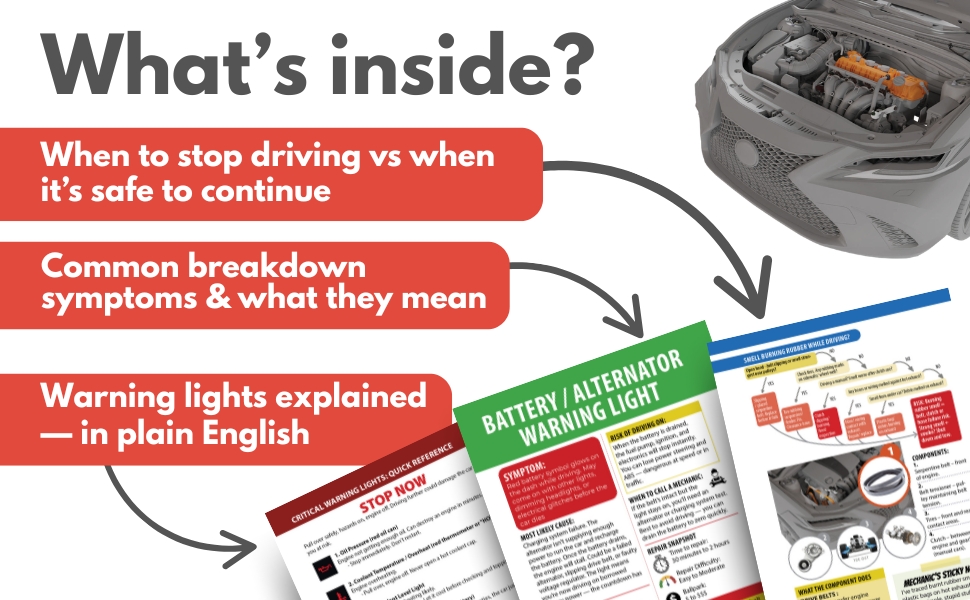
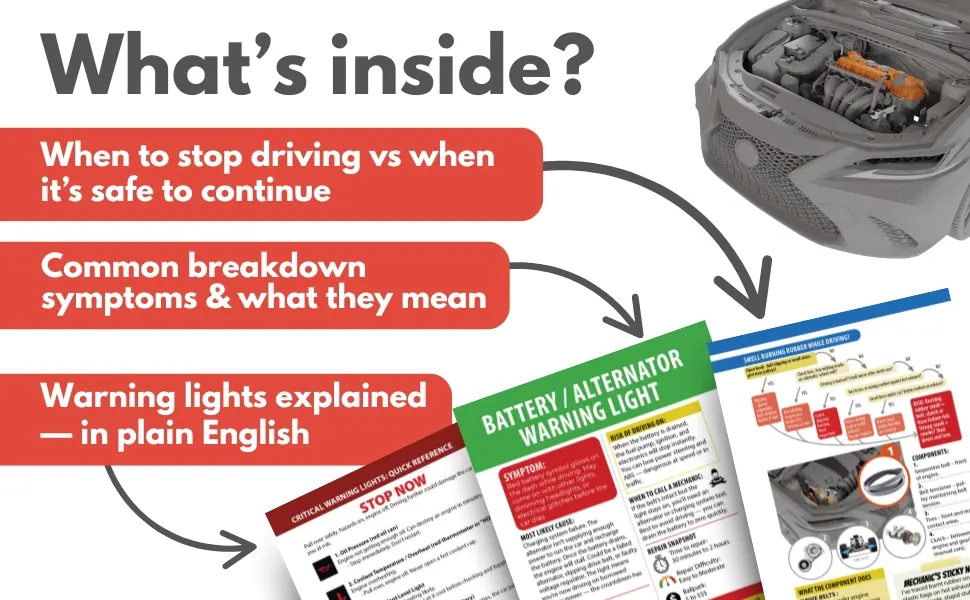
Look inside on Amazon.com
- About the Author
- Latest Posts

Meet Northcap, a seasoned mechanic and roadside assistance expert with over 20 years of hands-on experience. At Rustyautos.com, Northcap shares exclusive insights into what really breaks down in cars, offering practical tips and real-world advice to keep drivers informed and their cars on the road.