Car sounds like it’s auditioning for a sad violin section? A steady whine that rises with speed is usually mechanical — gears, bearings, or pumps begging for attention.
Why It Happens
Rolling parts don’t stay quiet forever. Wheel bearings, differentials, and transmissions wear down, and when they do, they sing. Power steering pumps can whine too, especially when low on fluid. The faster you go, the louder the whine. Ignore it, and that background hum becomes a wallet-buster.
Most Common Causes
- Worn wheel bearings – classic speed-dependent whine.
- Differential gear wear – whining from the rear (RWD) or front (FWD/AWD).
- Transmission issues – low fluid or gear wear.
- Power steering pump – whines especially when turning, fluid may be low.
- Engine pulley – worn drive pulley bearing will whine.
- Tire noise – cupped or uneven tread can mimic a whine.
What You Can Check
- Note when the whine occurs — acceleration, deceleration, likely a differential issue.
- Swerve gently side to side at low speed (in a safe place). If noise changes, think wheel bearing.
- Check power steering fluid level if it whines on turns.
- Inspect tire tread for uneven wear.
What a Mechanic Will Check
- Spin wheels to feel/hear bad bearings.
- Inspect differential and transmission fluid levels.
- Check power steering pump pressure and fluid.
- Road test to isolate drivetrain vs. tire noise.
Ballpark Repair Costs
- Wheel bearing replacement: $250–$450 per wheel.
- Differential repair: $400–$900+.
- Transmission fluid service: $180–$350.
- Power steering pump replacement: $350–$700.
- New tires (if badly cupped): $400–$800 per set.
When to Call It Quits
If the whine gets louder with speed or starts to roar, don’t wait. Bearings and diffs can seize. That’s not just a breakdown — that’s a safety hazard.

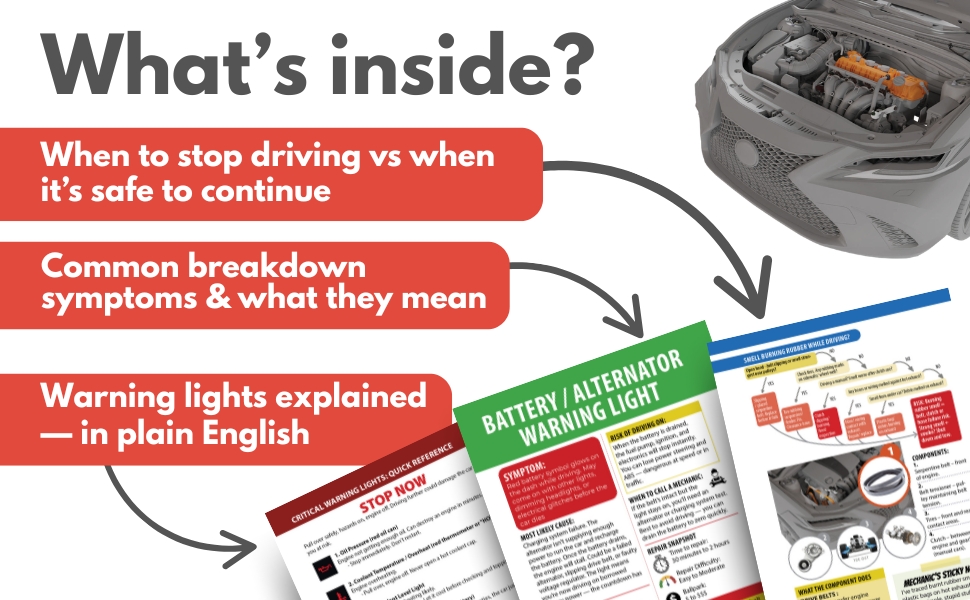
Visit our DIY Car Maintenance page and level up your car care skills — or keep the quick-reference version below in your glovebox.
Look inside on Amazon.com


Look inside on Amazon.com
- About the Author
- Latest Posts


Meet Northcap, a seasoned mechanic and roadside assistance expert with over 20 years of hands-on experience. At Rustyautos.com, Northcap shares exclusive insights into what really breaks down in cars, offering practical tips and real-world advice to keep drivers informed and their cars on the road.