You’re driving along…
Gauge climbs.
Then drops.
Then climbs again.
Not normal.
Engines like stability. Once warm, that needle should sit steady. If it’s moving around, something in the cooling system isn’t doing its job.
What a Fluctuating Gauge Usually Means
This points to inconsistent coolant flow or bad temperature reporting.
Two main directions:
- The engine temperature is actually changing
- The gauge is lying to you
Both matter.
Most Common Causes
Thermostat sticking
Top of the list.
The thermostat controls coolant flow through the engine.
- Stuck closed → engine overheats
- Stuck open → engine runs too cool
- Sticking intermittently → gauge fluctuates
Classic symptom.
You’ll see the needle rise, then suddenly drop as the thermostat finally opens.
Low coolant level
Very common.
If coolant is low, air gets into the system.
Air pockets move around and cause uneven temperature readings.
You’ll often see:
- Gauge spikes suddenly
- Heater blowing hot then cold
- Gurgling behind the dash
Simple check. Always worth doing first.
Air trapped in the system
Even if the level looks okay.
After a repair or a slow leak, air can sit in the system.
Air doesn’t transfer heat like coolant.
So the sensor gets mixed signals.
Result?
Fluctuating gauge.
Failing coolant temperature sensor
Sometimes the engine is fine.
The sensor isn’t.
Bad signal = jumping gauge.
Usually more random movement, not tied to driving conditions.
Wiring or instrument cluster issue
Less common.
But I’ve seen loose grounds or wiring faults cause erratic readings.
If everything else checks out, start looking here.
Water pump issues
Worn or damaged impeller.
Especially on plastic impeller pumps.
Coolant flow becomes inconsistent.
You’ll get:
- Temperature swings under load
- Possible overheating at idle or slow speeds
If your water pump is driven by a belt, make sure the belt is in good condition and not slipping. I’ve seen one that only slipped in wet conditions — the car would overheat, but only on rainy days. A tricky one.
What You’ll Notice
This one gives clues if you pay attention:
- Needle rises in traffic, drops at speed
- Heater output changing from hot to lukewarm
- Sudden spikes followed by quick drops
- Engine taking longer to warm up (stuck open stat)
The pattern matters.
It tells you where to look.
First Checks
Simple stuff first.
Always.
- Check coolant level when engine is cold
- Look for obvious leaks
- Start engine and watch gauge behaviour from cold
- Feel top radiator hose as engine warms
Here’s a good trick:
If the hose stays cool, then suddenly gets hot…
That’s the thermostat opening.
If that happens late or inconsistently, your thermostat is suspect.
When It Turns Serious
A fluctuating gauge isn’t just annoying.
It can lead to overheating.
And overheating leads to:
- Warped cylinder heads
- Blown head gaskets
- Expensive repairs
Starts as “the gauge was acting funny.”
Ends with an engine rebuild.
Can You Keep Driving?
Depends.
If it’s minor fluctuation and no overheating…
You might get away with short trips.
But if you see:
- Sudden spikes toward hot
- Warning lights
- Loss of heater
- Steam or coolant smell
Stop.
Let it cool.
Driving through it is how small problems become big ones.
How to Fix It
Most common fixes:
- Top up and properly bleed cooling system
- Replace thermostat
- Repair leaks
- Replace faulty sensor
- Inspect/replace water pump if needed
Start simple.
Work up.
Insider Tip
If you’re replacing a thermostat…
Use a quality part.
Cheap thermostats are notorious for sticking.
And you’ll be right back where you started.
Also, always bleed the system properly after any cooling work.
Skip proper bleeding, and you risk a blown headgasket.
Quick Summary
- A steady gauge is normal
- Fluctuation means inconsistent cooling or bad data
- Thermostat and low coolant are the usual suspects
- Air in the system is very common after repairs
- Don’t ignore it, overheating damage comes next
If that needle’s moving…
Your cooling system is talking to you.
Best listen before it gets expensive.


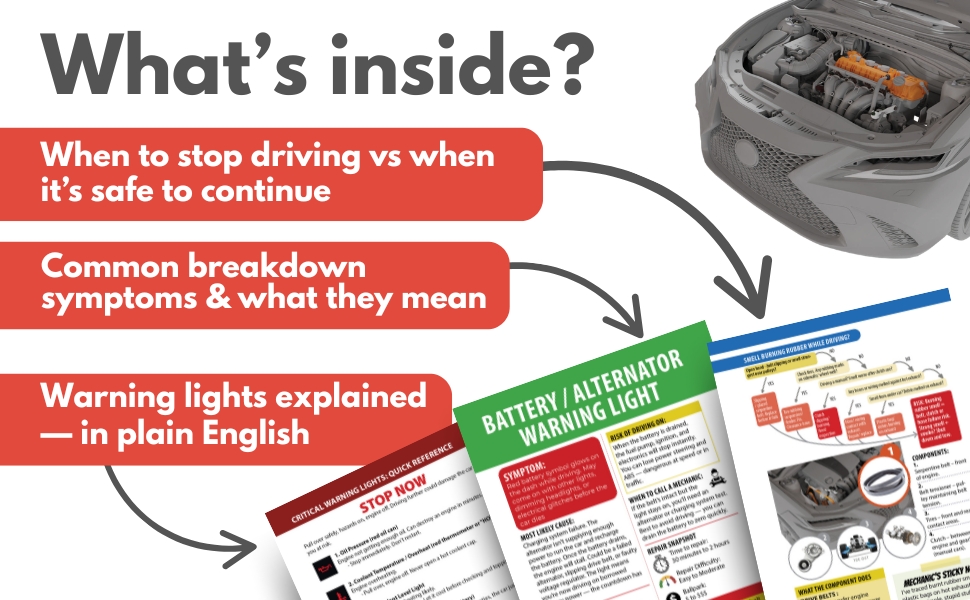
Visit our DIY Car Maintenance page and level up your car care skills — or keep the quick-reference version below in your glovebox.
Look inside on Amazon.com
Look inside on Amazon.com
- About the Author
- Latest Posts


Meet Northcap, a seasoned mechanic and roadside assistance expert with over 20 years of hands-on experience. At Rustyautos.com, Northcap shares exclusive insights into what really breaks down in cars, offering practical tips and real-world advice to keep drivers informed and their cars on the road.