You touch the brake pedal and it screams.
Not a grind. Not a knock. A sharp, high-pitched squeal.
On roadside calls, this one’s very common.
Sometimes it’s harmless
Sometimes it’s your brakes asking for attention
First — What That Squeal Actually Is
Brake squeal is caused by vibration. When the brake pads press against the disc (aka rotors in North America and discs in Europe), they can vibrate at a very high frequency. That vibration creates the noise you hear.
So the real question isn’t the noise itself. It’s what’s causing the vibration.
What Does It Sound Like
Light Squeal at Low Speed
You’ll hear this when creeping along or lightly pressing the brake. This is often a minor issue or even normal in some cases.
Constant Squeal While Driving
If it’s squealing even when you’re not braking, that’s usually a wear indicator telling you the pads are worn out.
Could also be trapped road debris between the rotor and brake dust shield.
Loud Squeal When Braking
If the noise is sharp and gets worse with speed or pressure, you’re likely dealing with a pad or disc issue.
Most Common Causes (From the Roadside)
Worn Brake Pads
This is the number one cause. Most pads have a small metal tab built in. When the pad gets thin, that tab touches the disc and creates a constant squeal. It’s designed that way to warn you early.
Cheap or Hard Brake Pads
Not all pads are created equal. Lower quality pads tend to be harder and more prone to vibration. They work fine, but they can be noisy, especially under light braking.
Glazed Pads or Discs
When brakes overheat, the surface can become smooth and shiny. This reduces friction and increases vibration, which leads to squealing. I see this a lot on cars that have been driven hard or ridden down hills on the brakes.
Lack of Anti-Squeal Grease
Brake pads need proper fitting. There should be copper grease or shims on the back of the pads to stop vibration. If that’s missing, the pads can chatter in the caliper and make noise. Very common after DIY brake jobs.
Dust and Debris
Brake dust builds up over time. Sometimes a small stone gets caught between the pad and disc. That can cause an instant squeal. It often appears suddenly and may go away after a few stops.
Worn or Uneven Brake Discs
If the disc surface isn’t smooth, the pads don’t sit evenly. That creates vibration and noise. You might also feel this through the pedal or steering wheel.
Moisture and Surface Rust
First thing in the morning, discs can have a light layer of rust. When you brake, the pads scrape it off, which can cause a temporary squeal. This is normal and usually disappears quickly.
Quick Roadside Checks
Listen carefully to when the noise happens. If it’s constant, think worn pads. If it’s only when braking, think pad or disc condition.
Look through the wheel if you can. If the pads look very thin or the disc is heavily scored, it’s time for a closer inspection.
Brake firmly a few times in a safe place. If the noise disappears, it was likely surface rust or debris.
Pay attention to vibration. If the steering wheel shakes when braking, the discs may be worn or warped.
Can You Keep Driving
Sometimes yes, but use common sense.
If the squeal is light and braking feels normal, you’re usually fine for the short term.
If the noise is getting louder, braking feels weaker, or you start to hear grinding, it’s time to stop pushing your luck.
What Mechanics Check First
In the trade, we go straight to the basics.
Pad thickness
Disc condition
Pad fitment and hardware
Caliper movement
Debris between pad and disc, or disc and dust shield
Simple checks, but they tell the story quickly.
Typical Fixes
Replacing brake pads is the most common solution.
If the discs are worn or damaged, pads and discs are usually replaced together.
Sometimes a clean and proper re-grease is all that’s needed.
Upgrading to better quality pads can also eliminate repeat squeal.
The Bottom Line
Squealing brakes are usually a warning, not a failure.
Most of the time it’s worn pads or vibration issues.
Ignore it long enough and it turns into grinding, damaged discs, and a much bigger bill.
Quick FAQs
Are squealing brakes dangerous
Not always, but they shouldn’t be ignored.
Why do new brakes squeal
Usually down to pad quality or installation.
Can I fix squealing brakes myself
Yes, if you’re comfortable doing brake work.
Why do they squeal in the morning
Moisture and light rust on the discs.
When should I worry
When the noise gets louder, constant, or turns into grinding.

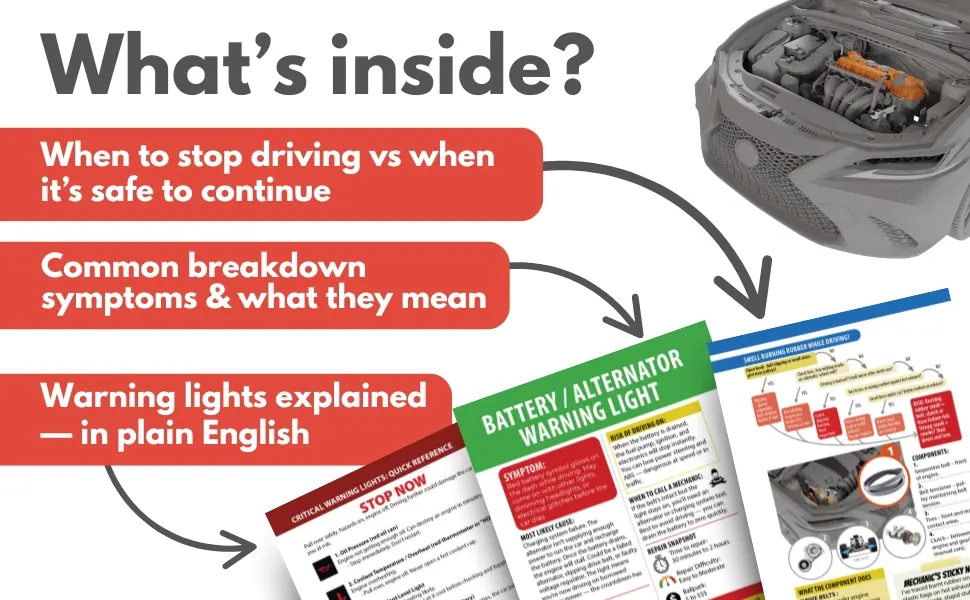
Visit our DIY Car Maintenance page and level up your car care skills — or keep the quick-reference version below in your glovebox.
Look inside on Amazon.com
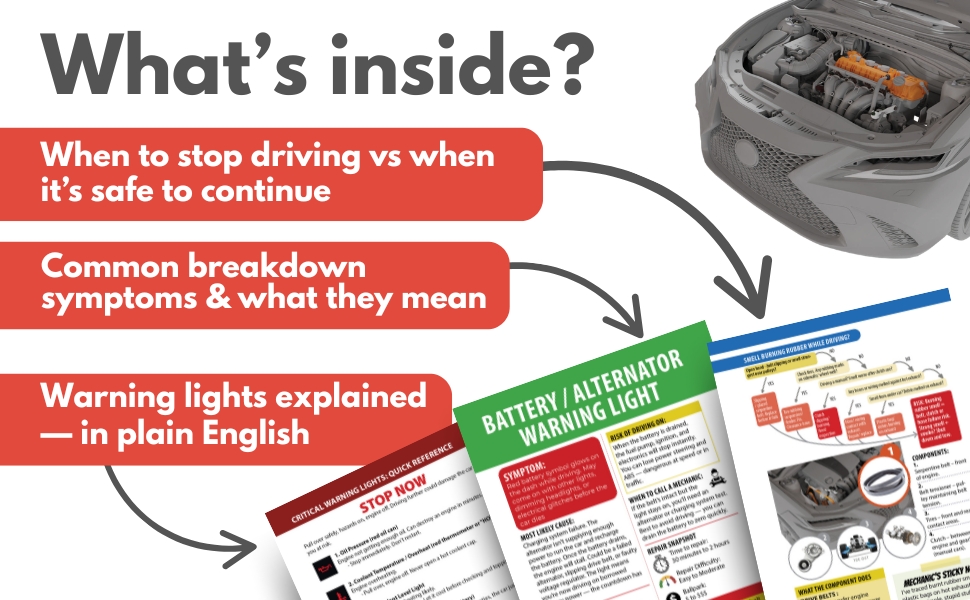
Look inside on Amazon.com
- About the Author
- Latest Posts


Meet Northcap, a seasoned mechanic and roadside assistance expert with over 20 years of hands-on experience. At Rustyautos.com, Northcap shares exclusive insights into what really breaks down in cars, offering practical tips and real-world advice to keep drivers informed and their cars on the road.