Squealing, most likely that’s your belt slipping. Ignore it, and you’re one breakdown away from Ubering home.
Why It Happens
Your car runs one long rubber serpentine belt. It spins your alternator, power steering, and A/C. When it’s old, shiny, or loose, it squeals like a stuck pig. Cold mornings and damp weather make it louder.
Let it go long enough? The belt snaps. No charging. No steering assist. Game over.
Most Common Causes
- Worn belt – cracks, shine, or frayed edges = bad news.
- Sloppy tension – too much slack, not enough grip.
- Tired tensioner or pulley – bearings shot, can’t hold the line.
- Accessory seizing – alternator or A/C pulley binding up.
What You Can Check
- Pop the hood. Spot cracks, glazing, or shredded rubber? Belt’s toast.
- Push down on the belt. Half an inch of flop? Too loose.
- Listen. Squeal worse when turning the wheel? Could be a power steering pump issue. Hit the A/C button, and it screams? Possible compressor issue.
- Quick hack: mist the belt with water. Noise changes? It’s slipping.
What a Mechanic Will Check
- Condition and alignment of the belt.
- Tensioner spring and pulley bearings.
- Alternator, steering pump, A/C compressor drag.
- Belt off test — run it briefly, see which pulley’s guilty.
Ballpark Repair Costs
- Fresh serpentine belt: $60–$120 installed
- New tensioner or idler pulley: $120–$250
- Alternator swap: $400–$700
- A/C compressor: $600–$1,000+
When to Call It Quits
If the squeal survives a new belt, or you smell burning rubber, quit driving. That’s a pulley locking up.

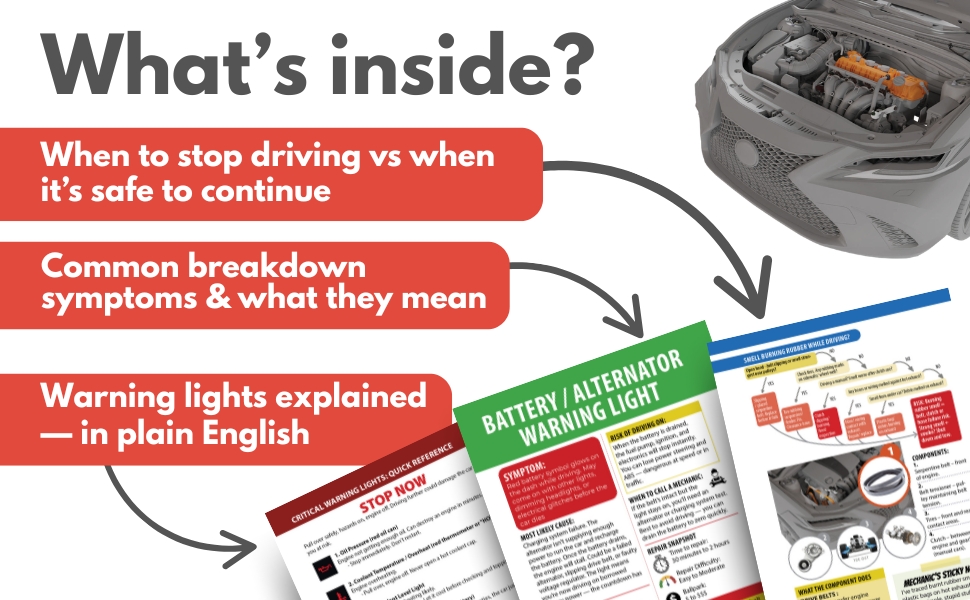
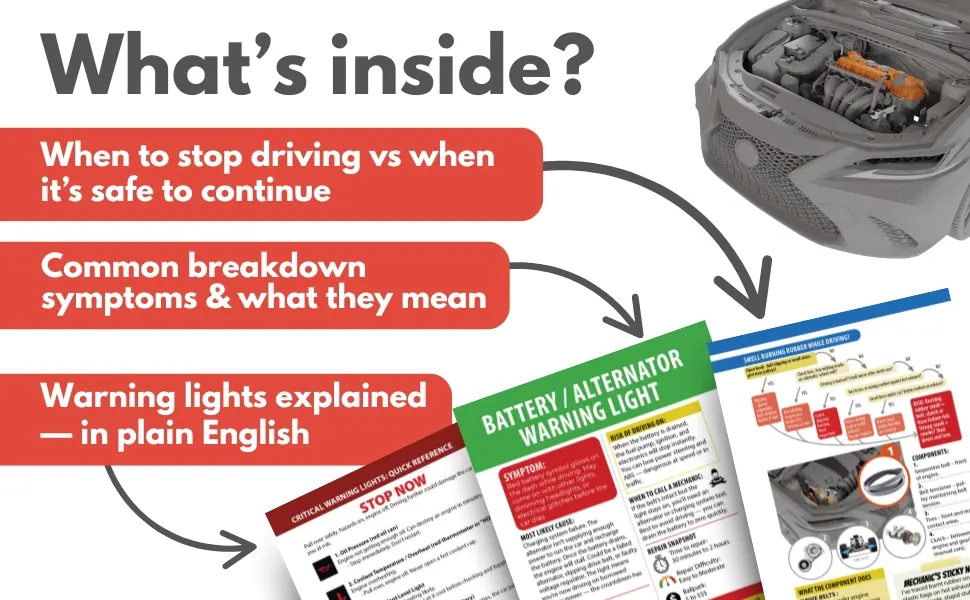
Visit our DIY Car Maintenance page and level up your car care skills — or keep the quick-reference version below in your glovebox.
Look inside on Amazon.com


Look inside on Amazon.com
- About the Author
- Latest Posts


Meet Northcap, a seasoned mechanic and roadside assistance expert with over 20 years of hands-on experience. At Rustyautos.com, Northcap shares exclusive insights into what really breaks down in cars, offering practical tips and real-world advice to keep drivers informed and their cars on the road.