You press the throttle…
And a cloud appears behind you.
That’s not normal.
A brief puff on an older engine can happen.
But ongoing smoke under acceleration means something is being burned that shouldn’t be.
Look at the color.
First — What Color Is the Smoke?
This tells you exactly what’s going on:
- Blue smoke = burning oil
- Black smoke = too much fuel
- White smoke = coolant or unburnt fuel
Get the color right, and you’re already halfway there.
Blue Smoke — Burning Oil Under Load
This is the most common type under acceleration.
When you accelerate, cylinder pressure increases.
If oil is getting into the combustion chamber, it burns and exits as blue smoke.
Worn piston rings
This is the big one.
- Oil slips past the rings under load
- Gets burned during combustion
- Worse the harder you accelerate
You’ll often see:
- High oil consumption
- Loss of power
- Engine breathing (blow-by)
Worn valve stem seals
These allow oil to drip into the cylinders from above.
- Often worse after idling
- You accelerate and get a puff of blue smoke
Usually less severe than piston rings, but still needs attention.
Turbocharger oil seal failure
On turbo engines, this is very common.
- Oil leaks into the intake or exhaust side of the turbo
- Burns when boost builds under acceleration
Signs include:
- Smoke under boost
- Oil residue in intake pipes
- Possible turbo noise
Black Smoke — Too Much Fuel
Black smoke means the engine is running rich.
Too much fuel. Not enough air.
The excess fuel doesn’t burn properly and comes out as soot.
Dirty or blocked air filter
Simple but often overlooked.
- Reduced airflow
- Fuel mixture becomes too rich
Easy fix. Always worth checking first.
Faulty fuel injectors
- Injecting too much fuel
- Poor spray pattern
More noticeable under load.
Faulty MAF sensor
This one causes a lot of headaches.
- Reads less air than actually entering
- ECU adds too much fuel
- Leads to black smoke and sluggish performance
EGR valve issues
If stuck open:
- Too much exhaust gas in the intake
- Not enough oxygen for proper combustion
Result is incomplete burn and smoke.
White Smoke — Coolant or Fuel Issues
White smoke needs careful attention.
Coolant entering the engine
This is serious.
- Head gasket failure
- Cracked cylinder head or block
Look for:
- Sweet smell
- Coolant loss
- Overheating
- Thick white smoke that lingers
This is engine damage territory if ignored.
Unburnt fuel (more common in diesels)
- Poor combustion under load
- Injector or glow system issues
Usually lighter smoke that may improve as the engine warms.
When It Happens Matters
This helps narrow it down quickly.
Only when accelerating
- Piston rings
- Turbo issues
- Fueling faults
Load-dependent problems.
After idling, then accelerating
- Valve stem seals
Oil builds up, then burns off.
Constant smoke all the time
- More serious internal engine wear
- Or major fueling problem
Can You Keep Driving?
Depends on the cause.
- Blue smoke. You can drive, but you’re damaging the engine over time
- Black smoke. Usually safe short term, but poor performance and fuel waste
- White smoke (coolant). Stop driving. Risk of severe engine damage
What I’d Check First
If this came in as a job:
- Confirm the smoke color
- Check oil level and usage
- Inspect air filter
- Scan for fault codes
- Check intake system and turbo (if fitted)
That will point you in the right direction fast.
FAQs
Is a small puff of smoke normal?
On older engines, a brief puff can happen. Continuous smoke under acceleration is not normal.
Will an oil change fix blue smoke?
No. If oil is being burned, there’s a mechanical cause.
Why is it worse when accelerating?
Because engine load increases. More pressure and heat make the problem more obvious.
Can a blocked air filter cause black smoke?
Yes. Reduced airflow throws off the air-fuel balance and causes rich running.
If your car is smoking under acceleration, it’s telling you something clearly.
Don’t ignore it.

Visit our DIY Car Maintenance page and level up your car care skills — or keep the quick-reference version below in your glovebox.
Look inside on Amazon.com

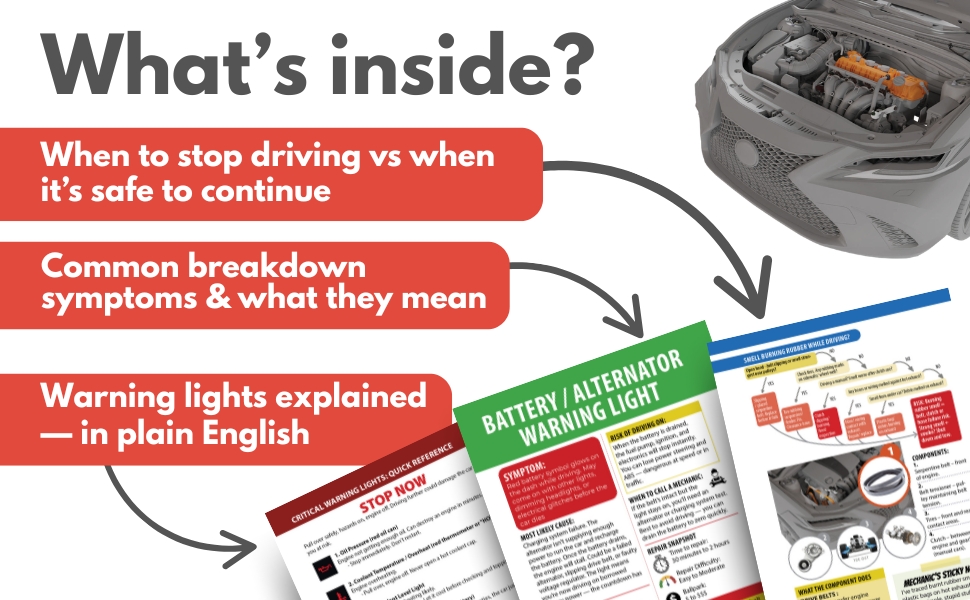
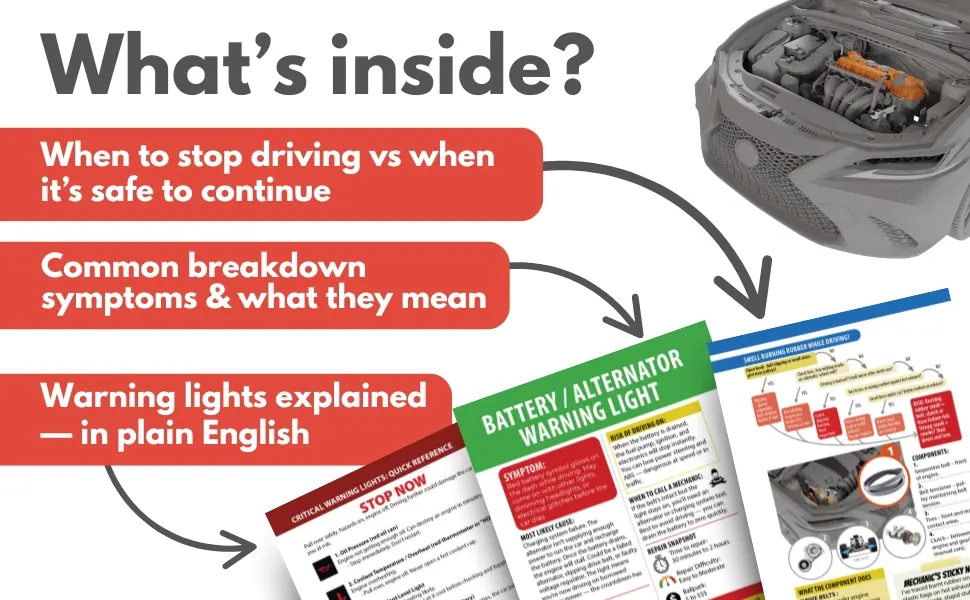
Look inside on Amazon.com
- About the Author
- Latest Posts

Meet Northcap, a seasoned mechanic and roadside assistance expert with over 20 years of hands-on experience. At Rustyautos.com, Northcap shares exclusive insights into what really breaks down in cars, offering practical tips and real-world advice to keep drivers informed and their cars on the road.