You start the car…
And a cloud of smoke rolls out the back.
Clears after a few seconds.
Then it’s gone.
That’s a classic one.
Usually not catastrophic. But it’s always trying to tell you something.
What’s actually happening
Smoke on startup usually means something has made its way into the combustion chamber while the engine was sitting.
Oil. Fuel. Or coolant.
When you start the engine, it burns off.
That’s the smoke you see.
The key is the colour. That tells you where to look.
Blue smoke on startup
This is the most common.
Blue smoke means oil is being burned.
Typical causes:
Worn valve stem seals
Oil leaks past the valves overnight and burns on startup
Worn piston rings
Less common for startup-only smoke, but possible
Turbocharger seal leak
Oil seeps into the intake or exhaust side when parked
From experience, if it smokes blue for a few seconds and then clears, valve stem seals are top of the list.
White smoke on startup
White smoke can mean two very different things.
Light mist that disappears quickly
That’s just condensation. Totally normal, especially in cold conditions
Thick white smoke that lingers and smells sweet
That’s coolant burning
Possible causes:
- Leaking head gasket
- Cracked cylinder head
- Coolant leaking into a cylinder overnight
If it keeps smoking after startup, that’s a bigger problem.
Black smoke on startup
Black smoke means too much fuel.
The engine is running rich.
Possible causes:
Leaking fuel injector
Fuel drips into a cylinder while parked
Faulty fuel pressure regulator
Too much fuel pressure on startup
Sensor issues
Bad coolant temp sensor can tell the ECU the engine is freezing cold when it isn’t
You’ll often notice a rough start along with it.
What you should look for
Don’t just look at the smoke. Look at the pattern.
- How long does it last
- Does it only happen after sitting overnight
- Is oil level dropping
- Is coolant level dropping
- Any fuel smell
These clues narrow it down fast.
How to diagnose it
- Check oil level and condition
- Check coolant level and look for loss
- Smell the exhaust smoke
- Scan for fault codes if the engine light is on
If you suspect valve seals, watch what happens after the car sits for a long period.
If it’s coolant related, a pressure test will usually expose it.
Fuel issues can often be spotted with live data or fuel pressure testing.
Can you still drive with it
Depends on the cause.
- Condensation. No issue
- Valve stem seals. Usually safe, just keep an eye on oil level
- Fuel issues. Should be addressed sooner rather than later
- Coolant burning. Don’t ignore it. That can turn into serious engine damage
If coolant is involved, stop driving and investigate.
How to fix it
Valve stem seals
Cylinder head work required on most engines
Piston rings
Engine rebuild territory
Turbo seals
Repair or replace turbocharger
Leaking injectors
Replace or service injectors
Head gasket issues
Engine repair, sometimes major
A small tip that saves guesswork
Park the car overnight.
Start it in the morning and watch closely.
Then start it again later the same day.
If it only smokes after sitting, you’re likely dealing with something leaking internally over time, not a constant failure.
That’s a big clue.
FAQs
Is a small puff of smoke normal?
Yes. A brief puff, especially in cold conditions, is often just condensation.
Does blue smoke always mean engine damage?
Not always. Valve stem seals are common and don’t always mean the engine is worn out.
Can bad fuel cause smoke on startup?
It can cause rough running and black smoke, but it’s less common as a startup-only issue.
Should I worry if it clears quickly?
If it’s occasional and minor, not immediately. But it’s worth keeping an eye on.

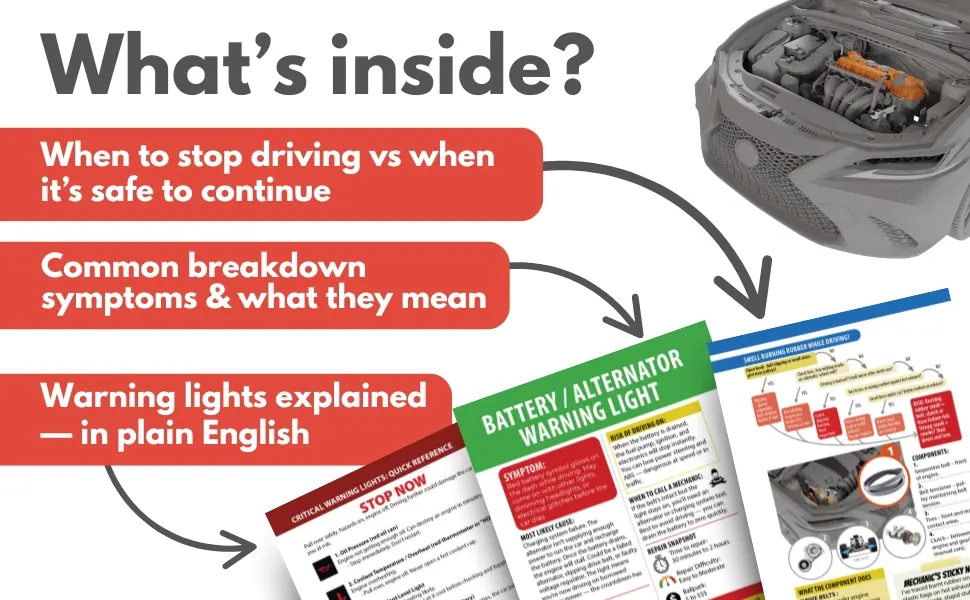
Visit our DIY Car Maintenance page and level up your car care skills — or keep the quick-reference version below in your glovebox.
Look inside on Amazon.com
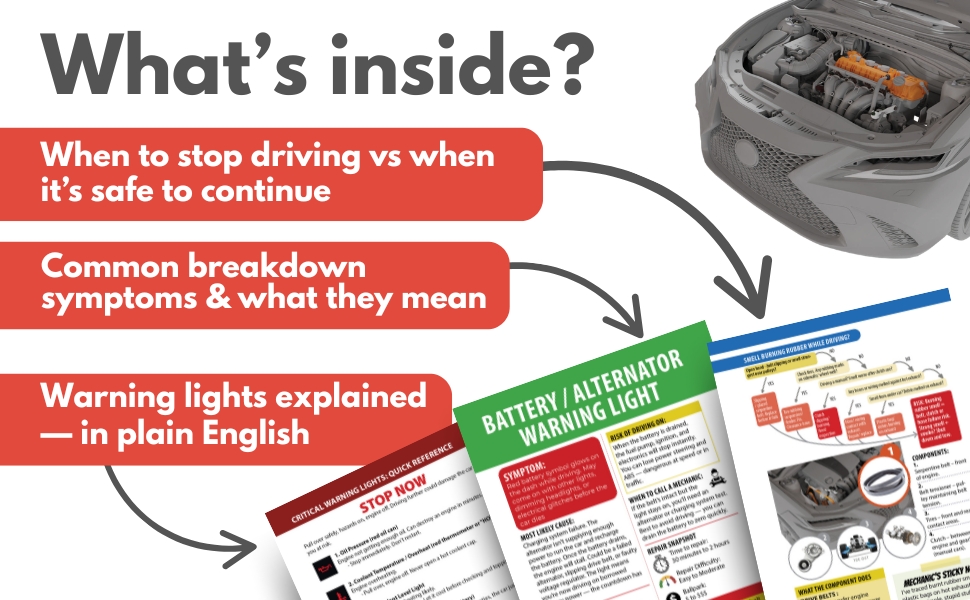
Look inside on Amazon.com
- About the Author
- Latest Posts

Meet Northcap, a seasoned mechanic and roadside assistance expert with over 20 years of hands-on experience. At Rustyautos.com, Northcap shares exclusive insights into what really breaks down in cars, offering practical tips and real-world advice to keep drivers informed and their cars on the road.