You hit the switch and get nothing. No sweep. No noise. No washer. Nothing.
Usually, this comes down to one of a few common faults. A blown fuse, a bad switch, a wiring break at the tailgate, a seized motor, or in some cases, a control module issue. On older stuff, the fault is often simple. On newer cars, the rear wiper can be tied into the body control system, so diagnosis gets a bit more spendy.
The good news is this is often fixable without too much drama.
How the rear wiper system works
The rear wiper setup is simple enough on most cars.
You press or twist the rear wiper control on the stalk or dash. That sends a signal to the wiper motor, either directly or through a control module. The motor turns through a set pattern and parks the blade in the correct resting position when switched off.
On hatchbacks, SUVs, estates, and vans, the motor is usually mounted inside the tailgate. That means the power and ground wires have to flex every single time the rear door opens and closes.
That matters.
Because those wires live a hard life, and broken tailgate wiring is one of the most common rear wiper faults I see.
What the fault is telling you
Start with what the wiper does or does not do.
If the rear wiper is completely dead, no sound and no movement, suspect a fuse, switch, broken wire, failed motor, or no power supply.
If the motor hums but the arm does not move, the linkage may be stripped, seized, or disconnected.
If it moves slowly or gets stuck halfway, the motor may be weak, the spindle may be seized, or the arm may be binding up.
If the rear washer works but the wiper does not, that helps narrow it down. The switch may be partly working, and power may be getting to part of the system.
If neither the rear washer nor rear wiper works, that points more toward a shared feed problem, switch fault, wiring fault, or module issue.
Blown fuse
A fuse is always worth checking first.
Sometimes the rear wiper has its own fuse. Sometimes it shares one with other body functions. Check the fuse chart for your vehicle and inspect the correct one properly, not just by glancing at it.
I have seen plenty look fine and still test bad.
If the fuse is blown, replace it once. If it blows again, do not keep feeding it fuses. That means there is a short circuit, a seized motor drawing too much current, or damaged wiring somewhere in the circuit.
Failed rear wiper motor
This is a very common one.
Rear wiper motors live in a damp, dirty area and they do fail. Water can get into them. The spindle can seize. Internal gears can strip. Sometimes the motor just gives up.
A classic sign is this: you operate the switch and hear a faint click or hum from the tailgate, but the arm does not move.
Another clue is a wiper that moves very slowly before finally quitting altogether.
On some vehicles, the spindle seizes in the housing and the motor is still trying to work. That extra load can blow the fuse or burn the motor out. So sometimes the failed motor is the end result, not the original cause.
Seized wiper spindle or arm
This catches people out.
The motor may actually be fine, but the spindle the arm sits on has seized solid. Rust and dirt build up, moisture gets in, and the shaft locks up.
From the outside, it looks like a dead motor.
In reality, the motor is trying its best but cannot turn the seized mechanism.
Sometimes you can remove the wiper arm and free off the spindle. Sometimes it is too far gone and the motor assembly needs replacing. Either way, if the arm feels locked solid by hand, you are on the right track.
Broken wiring in the tailgate loom
This is trade-favorite stuff.
If your vehicle has a hatch or tailgate, inspect the wiring loom where it passes through the rubber boot between the body and the tailgate. Those wires flex every time the rear door opens. After enough years, they crack internally or break completely.
This can cause all sorts of weird faults.
- Rear wiper not working.
- Rear washer not working.
- Heated rear window acting up.
- Tailgate lock issues.
- Number plate lights out.
If you have two or three of those together, broken loom wiring jumps way up the list.
In the trade, we usually peel back that rubber boot early in the diagnosis. It is such a common failure point it would be daft not to.
Faulty rear wiper switch
The switch on the stalk can fail too.
Not the most common fault, but absolutely possible. If the switch contacts wear out, the rear wiper never gets the command to turn on.
This is more likely if the front wipers work fine, the fuse is good, the motor tests good, and there is no power signal being sent when the switch is operated.
The rear wash and rear wipe functions are built into the same stalk control, so if both stop working together, the switch becomes a stronger suspect.
Washer system issue mistaken for a wiper fault
Sometimes the rear wiper is actually working, but the real complaint is that the rear screen is not getting cleaned.
That could be a blocked washer jet, split washer pipe, frozen fluid, or a failed washer pump.
A split washer pipe is especially common on hatchbacks. You operate the rear washer, hear the pump, but no fluid reaches the glass. Instead, it leaks inside a trim panel or into the tailgate.
Worth checking because many drivers lump rear wipe and rear wash together as one fault.
Control module or body electronics fault
On newer vehicles, the rear wiper may not be powered directly by the switch. The command goes to a body control module, and the module decides what to do with it.
That means a rear wiper problem is not always old-school wiring and motor stuff.
Possible issues include:
- No output from the body control module
- Software glitch
- Corroded module connectors
- Lost communication fault
- Incorrect park signal from the motor
This is where a scan tool and wiring diagram start earning their keep. If you have already checked fuse, power, ground, and wiring, but the system still refuses to play ball, module control becomes more likely.
Rear wiper parked in the wrong position
If the rear wiper stops halfway up the glass or parks in a strange spot, the motor park circuit may be faulty.
The motor needs to know where home is. If it loses that reference, it can stop in the wrong place, keep running too long, or behave erratically.
Sometimes that means the motor is on the way out. Sometimes it points to internal contacts or a linkage issue. Either way, it is usually motor-side rather than blade-side.
What to check first
Do not start by buying a motor.
Check it in this order:
- Make sure the blade and arm are not jammed or seized
- Check the fuse
- Listen for motor noise from inside the tailgate
- Check if the rear washer works too
- Inspect the tailgate loom where it flexes
- Test for power and ground at the motor
- Check the switch input if needed
That order saves guesswork.
Can you drive with the rear wiper not working?
Yes.
When it is time to get help
If you have no power at the motor and the wiring diagram turns into spaghetti, fair enough, that is the point many DIYers tap out.
Same goes for newer cars where the rear wiper is tied into a body control module or where trim removal is awkward and easy to damage.
But on older vehicles, this is often very DIY-friendly. Fuse, loom, motor, and seized spindle faults are all very common and very findable.
The bottom line
Rear wiper not working?
Most times it is one of the usual suspects.
Blown fuse. Failed motor. Seized spindle. Broken tailgate wiring. Faulty switch.
Start simple. Listen closely. Check for power and ground before replacing parts.

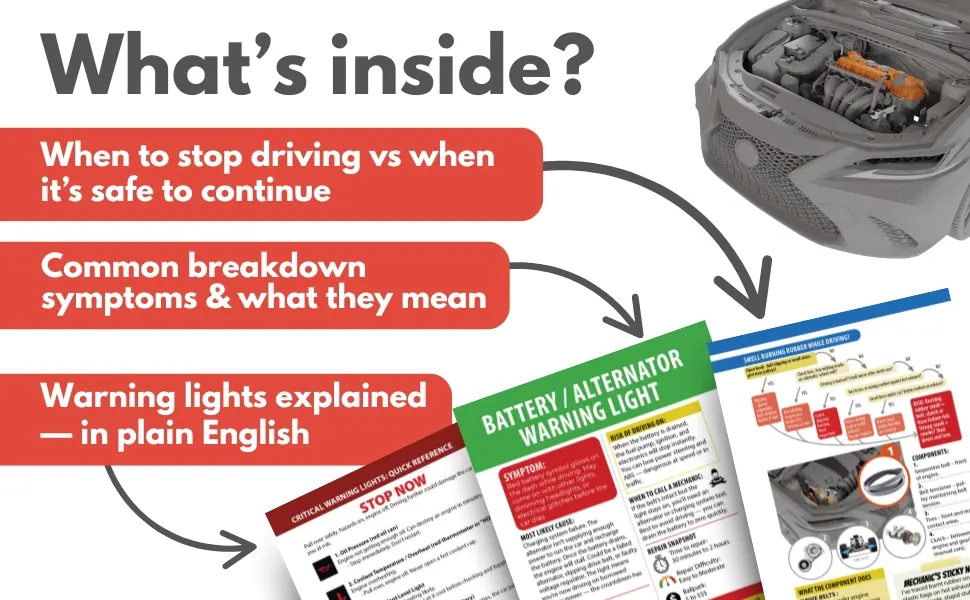
Visit our DIY Car Maintenance page and level up your car care skills — or keep the quick-reference version below in your glovebox.
Look inside on Amazon.com
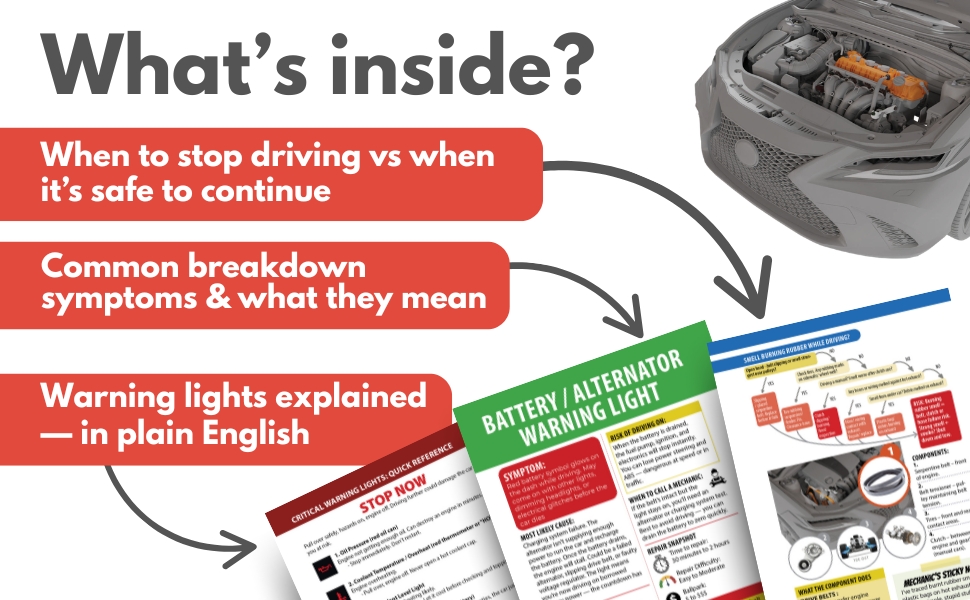
Look inside on Amazon.com
- About the Author
- Latest Posts


Meet Northcap, a seasoned mechanic and roadside assistance expert with over 20 years of hands-on experience. At Rustyautos.com, Northcap shares exclusive insights into what really breaks down in cars, offering practical tips and real-world advice to keep drivers informed and their cars on the road.