You’ve got a check engine light.
Car might feel a bit flat.
Maybe a rough idle.
Fuel economy off.
Scan it…
P2195 or P2197.
This one’s all about fuel mixture.
And more importantly…
Why your engine thinks it’s running lean.
What These Codes Actually Mean
Both codes point to the upstream oxygen sensor.
That’s the one before the catalytic converter.
- P2195 – Bank 1 Sensor 1 stuck lean
- P2197 – Bank 2 Sensor 1 stuck lean
“Stuck lean” means the sensor is constantly reporting too much oxygen in the exhaust.
In plain English:
The system thinks there’s not enough fuel.
So the ECU reacts.
It starts adding more fuel to compensate.
What the O2 Sensor Is Supposed to Do
The upstream O2 sensor is your fuel control feedback.
It constantly switches between:
- Rich (more fuel)
- Lean (more air)
This switching is what keeps your air-fuel ratio balanced.
When it gets stuck lean:
- It stops switching
- ECU loses accurate feedback
- Fuel trims go out of control
Now you’re either:
- Actually running lean
Or - Being lied to by the sensor
That’s the key difference.
What You’ll Notice
Not always dramatic.
But here’s what shows up a lot:
- Check engine light on
- Rough or unstable idle
- Hesitation on acceleration
- Poor fuel economy (ECU overfueling)
- Possible misfires over time
Sometimes it drives “okay”…
But don’t be fooled.
The Most Common Causes
In the trade, we don’t jump straight to the sensor.
Lean codes are often caused by something else.
Vacuum Leak (Top of the List)
Unmetered air getting into the engine.
Common spots:
- Split intake hoses
- Loose clamps
- Cracked vacuum lines
- Leaking intake manifold gasket
More air = lean condition.
Simple as that.
Exhaust Leak Before the Sensor
Fresh air gets pulled into the exhaust stream.
Sensor sees extra oxygen…
Thinks it’s lean.
Typical areas:
- Exhaust manifold cracks
- Gasket leaks
- Loose joints
This is common.
Faulty MAF Sensor
The Mass Air Flow Sensor measures incoming air.
If it underreports:
- ECU adds too little fuel
- Engine runs lean
Or the trims go wild trying to correct it.
Dirty MAF sensors are very common.
Fuel Delivery Issues
Not enough fuel getting in.
Could be:
- Weak fuel pump
- Clogged fuel filter
- Failing fuel injector
- Low fuel pressure
Now you’ve got a genuine lean condition.
O2 Sensor Fault
The Oxygen Sensor itself can fail.
When it does:
- It stops or is slow at switching
- Gets stuck reporting lean
- Misleads the ECU
But don’t assume this first.
That’s how money gets wasted.
How I Diagnose This on the Road
Simple approach.
No guesswork.
Step 1 – Check Fuel Trims
Using a scan tool.
- High positive fuel trims = ECU adding fuel
- That confirms a lean condition
Step 2 – Visual Inspection
Quick but effective:
- Split hoses
- Disconnected pipes
- Obvious air leaks
You’d be surprised how often it’s something simple.
Step 3 – Listen for Leaks
- Hissing = vacuum leak
- Ticking = exhaust leak
Old-school method. Spray some carb cleaner around intake gaskets, hoses, etc. A jump in rpm means it’s leaking.
Step 4 – MAF Check
- Unplug test (on some cars)
- Look for contamination
Dirty sensor = bad readings.
Step 5 – Smoke Test (If Needed)
This is the pro move.
Pump smoke into intake.
Watch where it escapes.
That’s your leak.
Can You Drive With It?
Short answer…
You can.
But you shouldn’t ignore it.
Here’s why:
- Running lean can cause overheating
- Long-term damage to valves and pistons
- ECU may overfuel and damage the catalytic converter
It’s not an instant breakdown code.
But it’s not harmless either.
Typical Fixes
Depends on the root cause.
Common fixes include:
- Replacing split vacuum hoses
- Fixing exhaust leaks
- Cleaning or replacing MAF sensor
- Replacing faulty O2 sensor
- Addressing fuel pressure issues
Most of the time?
It’s air getting in where it shouldn’t.
Final Thought
P2195 and P2197 sound technical.
But the root issue is simple.
Too much air.
Not enough fuel.
Or bad data.
Don’t throw a sensor at it straight away.
Find the cause.
Fix it once.


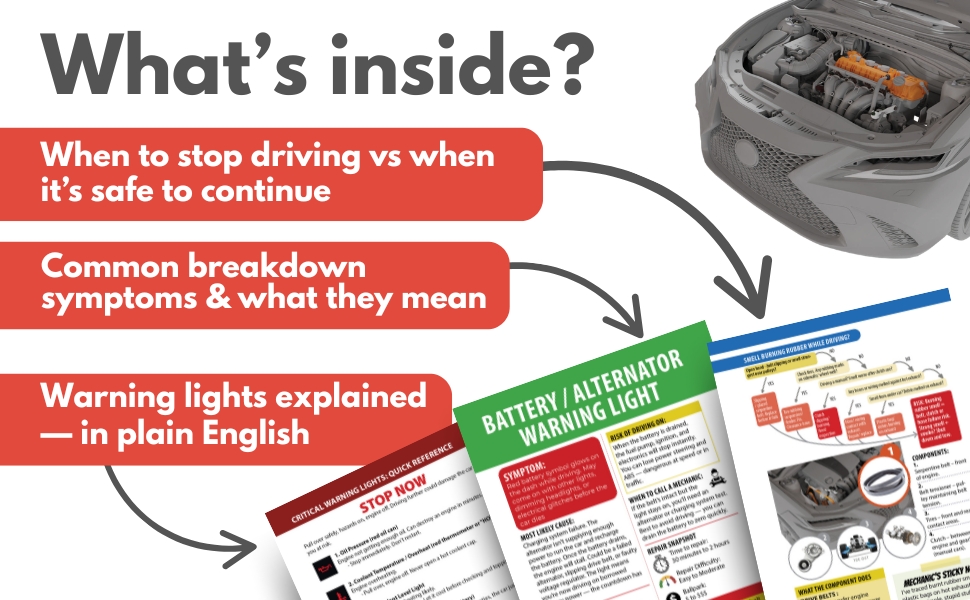
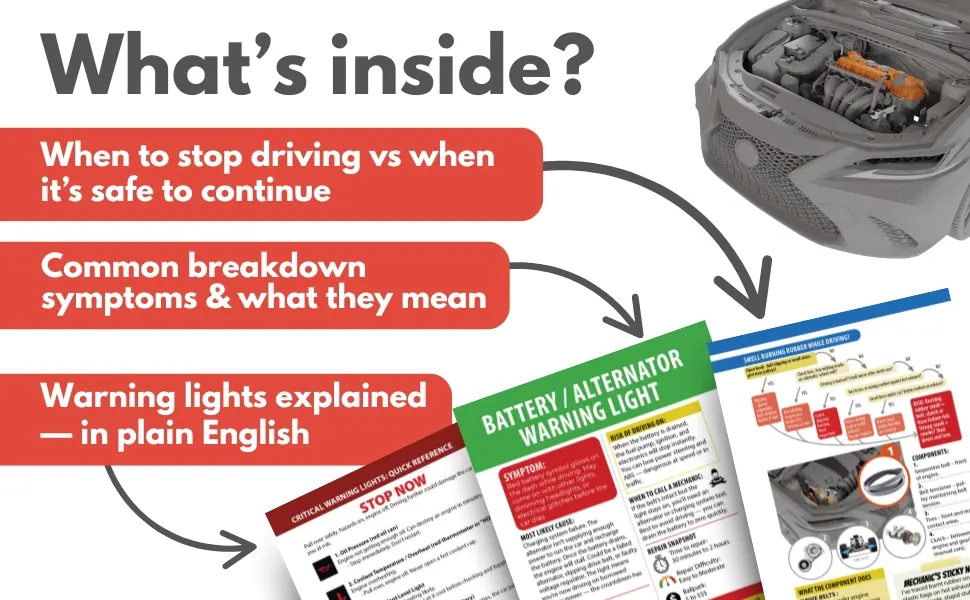
Visit our DIY Car Maintenance page and level up your car care skills — or keep the quick-reference version below in your glovebox.
Look inside on Amazon.com


Look inside on Amazon.com
- About the Author
- Latest Posts


Meet Northcap, a seasoned mechanic and roadside assistance expert with over 20 years of hands-on experience. At Rustyautos.com, Northcap shares exclusive insights into what really breaks down in cars, offering practical tips and real-world advice to keep drivers informed and their cars on the road.