You pull away…
Gear change feels off.
Too hard. Too late. Or not at all.
Then a warning light comes on.
You’ve got a P0750 through to P0770.
Shift solenoid trouble.
This is the tranny saying, “I can’t control the shifts properly.”
And when that happens, the whole drive feels wrong.
What a shift solenoid does
Inside an automatic transmission, you’ve got hydraulic pressure doing the heavy lifting.
But it needs direction.
That’s where shift solenoids come in.
They’re small electrically controlled valves that:
- Open and close fluid passages
- Control gear changes
- Manage shift timing and feel
The ECU tells them when to act.
They move fluid.
Gears change.
What these codes actually mean
Codes in this range point to specific solenoids.
Common ones include:
- P0750 – Shift Solenoid A
- P0755 – Shift Solenoid B
- P0760 – Shift Solenoid C
- P0765 – Shift Solenoid D
- P0770 – Shift Solenoid E
The fault can be:
- Electrical (open circuit, short, poor connection)
- Mechanical (solenoid stuck or slow to respond)
- Hydraulic (pressure issue affecting operation)
In short…
The ECU commands a gear change.
The solenoid doesn’t respond properly.
Common symptoms of shift solenoid faults
This is one you feel straight away.
Typical signs:
- Harsh or banging gear changes
- Delayed shifting
- Gear slipping
- Stuck in one gear
- Transmission stuck in limp mode
- Poor acceleration
- Check engine light or transmission warning
Sometimes it’ll feel like the tranny has given up.
Often it hasn’t.
It’s just lost control.
What causes these faults
Faulty shift solenoid
They fail like this.
- Internal coil failure
- Sticking valve
- Wear over time
Especially on high mileage or poorly serviced transmissions.
Dirty or degraded transmission fluid
Big one.
Old fluid causes:
- Sludge buildup
- Sticky solenoids
- Poor hydraulic control
Seen loads of “failed solenoids” fixed with a proper fluid service.
Wiring or connector problems
Classic electrical issue.
- Damaged wiring
- Corrosion
- Loose connectors
Tranny’s live low down.
They see heat, water, road grime.
Connections suffer.
Transmission control module issues
The module that controls the solenoids can fail.
Less common, but it happens.
Usually after everything else has been checked.
Low or incorrect transmission fluid
Not enough fluid or the wrong type can cause:
- Pressure issues
- Erratic shifting
- Solenoid faults
Always worth checking.
Internal transmission wear
This is the one nobody wants.
- Worn valve body
- Internal leaks
- Clutch pack wear
Solenoid codes can sometimes be a symptom, not the root cause.
Quick checks you can do
Before assuming the worst, check the basics.
Simple stuff first.
- Check transmission fluid level and condition
- Look for burnt smell or dark fluid
- Inspect wiring and connectors at the gearbox
- Scan for multiple transmission codes
If the fluid is black and smells burnt…
That’s a clue.
A common mistake
Replacing a solenoid straight away.
Sometimes that works.
But I’ve seen plenty where:
- Fluid was the issue
- Wiring was the issue
- Valve body was the issue
Solenoid gets blamed first.
Doesn’t always deserve it.
Can you drive with these codes
You can, but it depends how bad it is.
- Harsh shifts can cause damage over time
- Limp mode may limit speed
- Sudden loss of drive can happen
If it’s banging into gear or stuck in one gear…
Best not to push it.
How it’s properly diagnosed
In the workshop, we go step by step.
- Check fluid condition and pressure
- Scan live transmission data
- Check solenoid command vs response
- Test solenoid resistance
- Inspect wiring integrity
- Inspect valve body if needed
You’re looking for cause, not just the code.
The takeaway
P0750 to P0770 means the transmission has lost control of shifting.
But the solenoid isn’t always the villain.
From experience, check in this order:
- Fluid condition and level
- Wiring and connectors
- Solenoid operation
- Then internal transmission issues
Start simple.
Quick FAQ
Can bad transmission fluid cause solenoid codes?
Yes. Very common.
Are shift solenoids easy to replace?
Sometimes. Often requires removing the transmission pan.
Will this put the car into limp mode?
Yes, very often.
Does this mean the gearbox is ruined?
Not always. Many are fixable without major rebuilds.

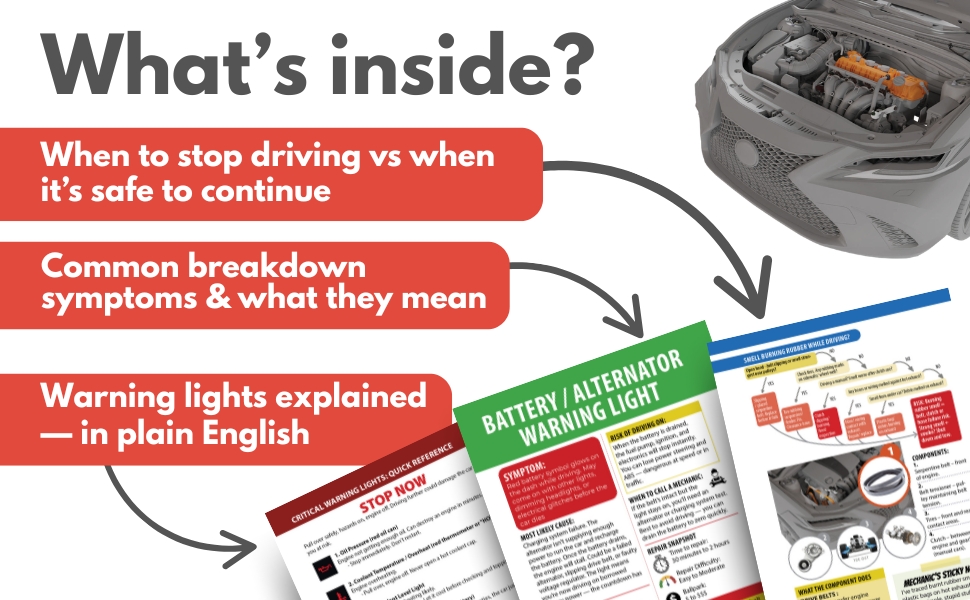
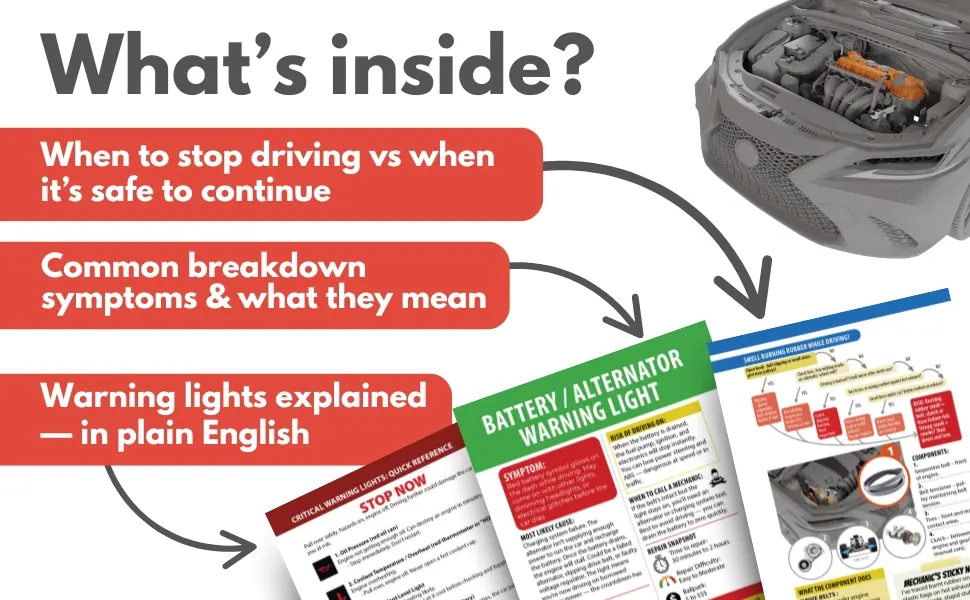
Visit our DIY Car Maintenance page and level up your car care skills — or keep the quick-reference version below in your glovebox.
Look inside on Amazon.com
Look inside on Amazon.com
- About the Author
- Latest Posts


Meet Northcap, a seasoned mechanic and roadside assistance expert with over 20 years of hands-on experience. At Rustyautos.com, Northcap shares exclusive insights into what really breaks down in cars, offering practical tips and real-world advice to keep drivers informed and their cars on the road.