Gearbox acting strange?
Slipping. Flare between shifts. Maybe stuck in one gear?
This code is the transmission waving a red flag.
The gear it thinks it’s in… doesn’t match what’s actually happening.
What P0730 actually means
P0730 means the transmission control module has detected a mismatch between expected gear ratio and actual ratio.
In plain English.
The gearbox commands a gear, but the input speed and output speed don’t line up the way they should.
Every gear has a known ratio. The system watches the input shaft speed and compares it to output shaft speed.
If the numbers don’t match, the module logs P0730.
What you’ll usually notice
This one is rarely subtle.
Common symptoms include:
- Slipping during acceleration
- Delayed or harsh shifts
- Engine revs rising without matching speed
- Transmission stuck in one gear (limp mode)
- Check engine or transmission warning light
- Poor fuel economy
Sometimes it feels like the car has lost drive for a moment, then grabs again.
Not a nice feeling.
Most common causes
This can range from simple to serious.
Start at the easy end.
Low or dirty transmission fluid
First check. Always.
Low fluid means low pressure. Low pressure means clutches don’t apply properly.
That leads to slip.
Dirty or burnt fluid loses its ability to lubricate and maintain pressure. It can also block internal passages.
From the roadside, this is the first thing I look at.
Worn clutch packs (internal wear)
Inside an automatic gearbox are clutch packs that engage different gears.
Over time, they wear.
When they can’t hold properly, the transmission slips. That changes the actual gear ratio and triggers the code.
This is where things get spendy.
Faulty shift solenoids
Solenoids control fluid flow inside the transmission.
If one sticks or fails, the wrong clutch may engage, or not engage fully.
That throws off the ratio.
Sometimes this shows up as inconsistent shifting or being stuck in a single gear.
Valve body issues
The valve body is the control centre for fluid routing.
If passages are blocked or valves stick, fluid pressure doesn’t go where it should.
That leads to incorrect gear engagement and ratio errors.
Transmission slipping under load
Even if it feels fine at light throttle, a worn transmission may slip under load.
That’s when the TCM notices the mismatch.
You accelerate, revs climb, but speed doesn’t match. That’s classic ratio error territory.
Faulty speed sensors
The transmission relies on input and output speed sensors.
If one gives incorrect readings, the system thinks the ratio is wrong even if the gearbox is mechanically fine.
This is one of the few “cheap fix” scenarios for this code.
Worth checking early.
Wiring or connector issues
Damaged wiring to solenoids or sensors can cause incorrect signals or loss of control.
Not the most common cause, but it does happen.
Especially on older vehicles or ones exposed to moisture.
What I check first on a job
I don’t jump to “gearbox rebuild.”
Simple stuff first.
- Check transmission fluid level and condition
- Look for leaks
- Scan for additional transmission codes
- Monitor live data for input and output speeds
- Check how the car behaves under load
If fluid is burnt or full of debris, that tells a story straight away.
If speeds don’t match but the gearbox feels OK, I start thinking sensors.
Engine performance matters too
This one gets overlooked.
The gearbox relies on engine input.
If the engine is down on power or behaving erratically, the transmission can struggle to apply gears correctly.
Also, if the vehicle has a slipping torque converter or engine misfire under load, it can feel like a gearbox issue and even trigger ratio codes.
Not common, but worth keeping in mind.
Can you keep driving with P0730?
Short answer.
You can, but you shouldn’t for long.
If it’s a fluid issue or minor fault, you might get away with it.
If it’s internal wear, every mile you drive is doing more damage.
And if the car drops into limp mode, you’re stuck with limited speed and performance.
When it’s serious
If you have:
- Burnt fluid smell
- No drive in certain gears
- Severe slipping
- Metal debris in fluid
You’re into internal transmission failure.
At that point, it’s rebuild or replace territory.
No shortcuts.
The bottom line
P0730 is a mismatch between what the gearbox should be doing and what it’s actually doing.
Most common causes:
- Low or dirty transmission fluid
- Worn clutch packs
- Faulty solenoids
- Speed sensor issues
Start with fluid. Always.
If that checks out, move to sensors and control.
If it’s slipping badly, don’t ignore it.
Tranny’s don’t heal themselves.

Visit our DIY Car Maintenance page and level up your car care skills — or keep the quick-reference version below in your glovebox.
Look inside on Amazon.com
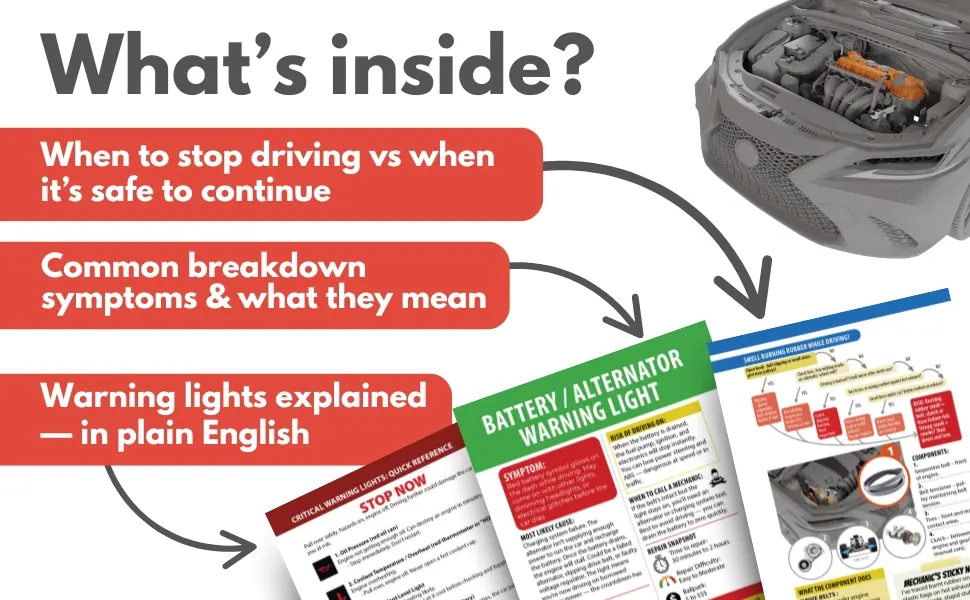
Look inside on Amazon.com
- About the Author
- Latest Posts

Meet Northcap, a seasoned mechanic and roadside assistance expert with over 20 years of hands-on experience. At Rustyautos.com, Northcap shares exclusive insights into what really breaks down in cars, offering practical tips and real-world advice to keep drivers informed and their cars on the road.