You scan the car and P0715 shows up.
This one is transmission related, and when it acts up, the tranny can feel completely confused.
On roadside calls, it usually shows up as poor shifting, limp mode, or a car stuck in one gear.
What P0715 Actually Means
P0715 means Input Speed Sensor Circuit Malfunction.
The transmission control module is not receiving a reliable signal from the input speed sensor.
This sensor measures how fast the transmission input shaft is spinning. That is effectively engine speed as it enters the gearbox.
If that signal is missing or incorrect, the transmission cannot calculate gear ratios or shift timing properly.
What the Input Speed Sensor Does
The input speed sensor tracks the rotation speed of the transmission input shaft.
The transmission control module compares this with the output speed sensor to determine:
- Current gear
- Shift timing
- Clutch and band application
If the input signal is wrong, the transmission loses its reference point.
That is when shifting becomes harsh, delayed, or completely locked down.
Common Symptoms of P0715
This one is usually very noticeable.
Hard shifting is common. The tranny may slam into gear.
Delayed engagement when selecting drive or reverse can occur.
It may get stuck in one gear, often second or third. This is limp mode.
You may notice slipping or hesitation between shifts.
The check engine light or transmission warning light will be on.
In some cases, the speedometer may behave oddly, depending on vehicle design.
Most Common Causes
Faulty Input Speed Sensor
This is the most common cause.
The sensor can fail internally or produce an inconsistent signal.
Heat and vibration inside the transmission environment take their toll over time.
Wiring or Connector Issues
The sensor wiring runs to the transmission and is exposed to heat, oil, and movement.
Common issues include damaged wiring, poor connections, or oil contamination inside the connector.
Even a small break in the signal wire can cause this fault.
Dirty or Contaminated Sensor
Metal debris in the transmission fluid can collect on the sensor tip.
That buildup interferes with the signal and can cause incorrect readings.
This is more common on higher mileage vehicles or those with poor fluid maintenance.
Transmission Fluid Condition
Low or dirty transmission fluid can affect internal operation and sensor performance.
If the fluid is burnt or contaminated, it can contribute to erratic readings and poor shifting.
Internal Transmission Issues
Less common, but possible.
Problems with internal components such as the input shaft reluctor or clutch packs can affect the signal the sensor is trying to read.
Quick Diagnostic Plan
Start with a basic inspection.
Check the transmission fluid level and condition. If it is low or badly contaminated, address that first.
Inspect the wiring and connector at the transmission. Look for damage, loose connections, or oil intrusion.
If you have a scan tool, check live data. Compare input speed readings with engine speed.
At idle, they should be closely related.
If the input speed reading is missing, erratic, or clearly incorrect, the sensor or its circuit is likely at fault.
Wiggling the wiring harness while monitoring live data can sometimes reveal intermittent faults.
When to Replace the Input Speed Sensor
Replace the sensor if:
- The signal is missing or unstable
- Wiring and connector checks are good
- Fluid condition has been addressed
- The fault persists
On many vehicles, the sensor is accessible from outside the transmission and is relatively straightforward to replace.
On others, it may be located internally and require more work.
Can You Drive With a P0715 Code
In most cases, the vehicle will still move, but not properly.
The transmission will go into limp mode and stay in a single gear.
This limits speed and puts extra strain on the engine.
Driving like this for long distances is not recommended.
It is best treated as a get home situation rather than something to ignore.
Real World Pattern
A common scenario is a vehicle that suddenly develops harsh shifting and gets stuck in one gear.
The driver thinks the transmission has failed.
In many cases, it turns out to be a faulty input speed sensor or damaged wiring.
Another pattern is metal debris on the sensor tip due to overdue fluid changes.
The sensor cannot read properly, and the transmission reacts badly.
Bottom Line
P0715 is a critical signal fault for the transmission.
Without a reliable input speed signal, the gearbox cannot shift correctly.
Most of the time, the cause is a failed sensor, wiring issue, or contaminated fluid.
Start with the basics. Check fluid, inspect wiring, and confirm the signal before replacing parts.
That approach will solve most cases.

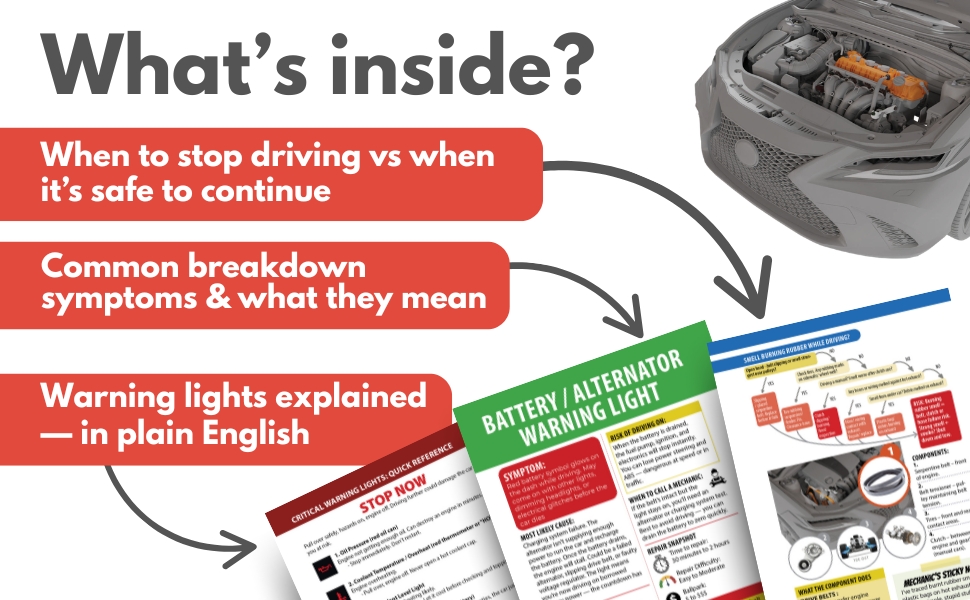
Visit our DIY Car Maintenance page and level up your car care skills — or keep the quick-reference version below in your glovebox.
Look inside on Amazon.com
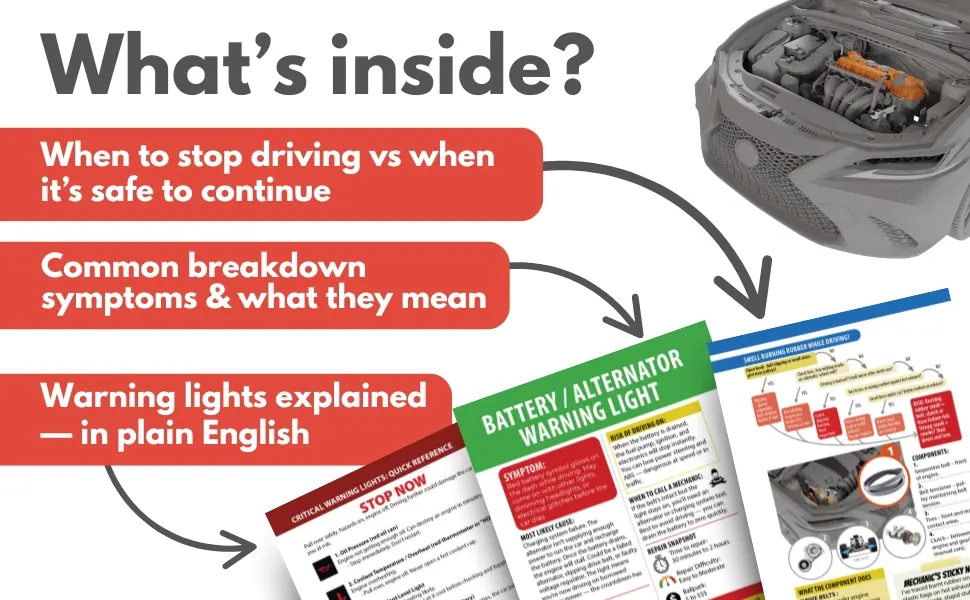
Look inside on Amazon.com
- About the Author
- Latest Posts


Meet Northcap, a seasoned mechanic and roadside assistance expert with over 20 years of hands-on experience. At Rustyautos.com, Northcap shares exclusive insights into what really breaks down in cars, offering practical tips and real-world advice to keep drivers informed and their cars on the road.