Battery light on?
Car acting weird?
Gearbox shifting oddly, lights dimming, warnings popping up out of nowhere?
This code is the car telling you – Voltage is too low.
And when voltage drops, everything starts to misbehave.
What P0562 actually means
P0562 means the vehicle’s electrical system voltage has dropped below what the control modules expect to see.
Most systems are designed to run around:
- 12.6 volts with engine off
- 13.5 to 14.5 volts with engine running
If the voltage drops too far below that while driving, the ECU logs this code.
Modern cars hate low voltage.
They rely on stable power for sensors, modules, communication networks, and actuators. Drop the voltage, and the whole system starts throwing a tantrum.
What you’ll usually notice
Low system voltage doesn’t just trigger a warning. It shows up in how the car behaves.
Common symptoms include:
- Battery warning light on
- Slow or lazy cranking
- Dim headlights or flickering lights
- Erratic dashboard warnings
- Transmission shifting harsh or going into limp mode
- Radio or infotainment resetting
- Engine stalling or cutting out
Sometimes it feels like multiple faults at once.
That’s because it is. Low voltage affects everything.
Most common causes
This is one of those codes where the fault is usually simple.
Weak or failing battery
This is number one.
Batteries don’t fail overnight. They fade.
Cold starts get slower. Voltage drops quicker under load. Eventually, the system can’t maintain proper voltage and the code appears.
If the battery is more than five years old, it’s already on borrowed time.
Faulty alternator
The alternator keeps the system alive once the engine is running.
If it’s not charging properly, the car is running off the battery alone. Voltage drops as you drive, and eventually the system flags low voltage.
Classic signs:
- Battery light on while driving
- Lights dim at idle but improve with revs
- Car dies after a short drive
Loose or corroded battery connections
Simple but very common.
A loose terminal or corroded connection increases resistance. That restricts current flow and causes voltage drop across the system.
From the outside, it can mimic a bad battery or alternator.
In the trade, we always check terminals early. Costs nothing and saves chasing ghosts.
Bad engine or chassis ground
The car needs a solid ground path.
If the ground strap between the engine and chassis is loose, corroded, or broken, voltage readings go haywire.
You can get all sorts of strange symptoms from a poor ground:
- Random warning lights
- No-start issues
- Intermittent electrical faults
It’s one of those faults that can waste a lot of time if overlooked.
High electrical load
Sometimes the system is fine, but the demand is too high.
Heated screens, blower motor on full, lights, heated seats, infotainment, charging devices. Add a weak alternator or battery into the mix, and voltage drops below threshold.
This often shows up at idle or in traffic.
Drive belt issues
This one catches people out.
If the serpentine belt is missing, loose, worn, or slipping, the alternator can’t spin properly. That reduces charging output. A bad or weak drive belt tensioner will cause a loose drive belt and a slipping condition, especially under load.
I’ve seen belts glazed and slipping just enough to cause low voltage without making much noise.
Worse again, I’ve seen failed belts take out wiring and sensors when they whip around. If a belt has failed, you will have a red battery light warning light on the dash, no AC, no power steering (if hydraulic) and a possible overheating condition if your drive belt drives your coolant system.
Replacing a belt is a small maintenance job. Big consequences if ignored.
Faulty voltage regulator
On most cars, the regulator is built into the alternator; on others, it will be controlled by a battery control module.
If it fails, the alternator may undercharge or behave inconsistently. That leads to unstable system voltage and triggers P0562.
Wiring faults
Less common, but possible.
Damaged wiring between the alternator, battery, or ECU can cause voltage drop or incorrect readings.
Usually shows up as an intermittent issue that’s harder to pin down.
How I’d check it at the roadside
Simple stuff first.
Engine off, check battery voltage. Around 12.6 volts is healthy.
Start the engine. Voltage should jump to around 13.5 to 14.5 volts.
If it doesn’t rise, the alternator isn’t doing its job.
Then:
- Check battery terminals for tightness and corrosion
- Inspect the drive belt condition and tension
- Look for obvious ground strap issues
- Switch on electrical loads and watch voltage response
That quick check tells you a lot.
Can you keep driving with this code?
Short answer.
Not for long.
If the alternator isn’t charging, the car is running on battery only. Once the battery drains, the engine will cut out after a short time, depending on the vehicle, battery size and the electrical demand, anywhere from 30 min driving to a couple of hours.
And it won’t restart.
You might get a few miles. You might get 20. Depends on battery condition and electrical load.
But it will leave you stranded eventually.
When it gets more serious
Low voltage doesn’t just stop the car.
It can cause control modules to behave unpredictably.
- Transmission goes into limp mode
- ABS or traction control faults appear
- Steering assistance may reduce
- ECU may shut systems down to protect itself
So while the root cause is simple, the symptoms can look expensive.
The bottom line
P0562 is not a mystery code.
It’s a power problem.
Most times it comes down to:
- A failing alternator
- A tired battery
- Poor connections or grounds
- A slipping belt
Start with voltage checks.

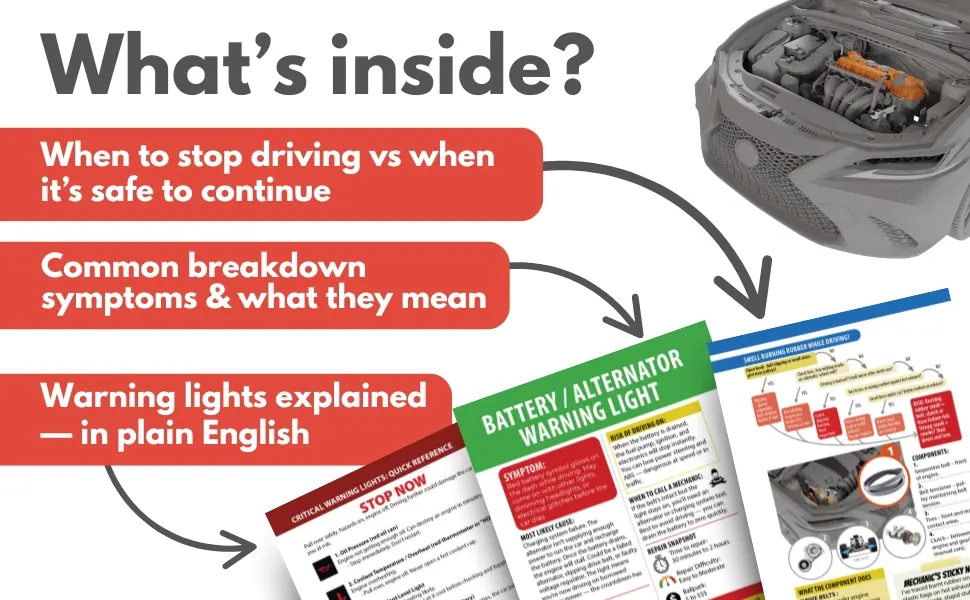
Visit our DIY Car Maintenance page and level up your car care skills — or keep the quick-reference version below in your glovebox.
Look inside on Amazon.com
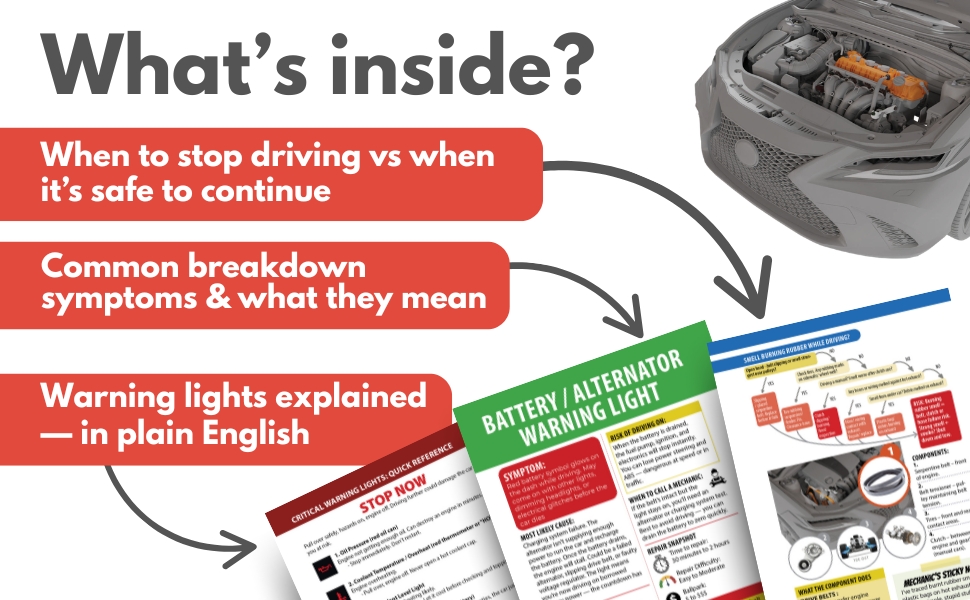
Look inside on Amazon.com
- About the Author
- Latest Posts


Meet Northcap, a seasoned mechanic and roadside assistance expert with over 20 years of hands-on experience. At Rustyautos.com, Northcap shares exclusive insights into what really breaks down in cars, offering practical tips and real-world advice to keep drivers informed and their cars on the road.