Check engine light on?
Fuel smell now and then?
Maybe a rough idle after filling up?
This one points to the EVAP system.
More specifically, purge flow is not what the ECU expects.
What P0441 actually means
P0441 means the engine control module has detected incorrect purge flow in the EVAP system.
In simple terms.
The car is trying to pull fuel vapors from the charcoal canister into the engine… but the flow is either too much, too little, or happening at the wrong time.
The ECU monitors this using pressure sensors and fuel trim data. If things don’t line up, it logs the code.
Quick EVAP system explanation
Fuel vapors from the tank are not just vented to the air.
They’re stored in a charcoal canister.
When conditions are right, the purge valve opens and those vapors are drawn into the engine and burned.
Clean and efficient.
When it works.
What you’ll usually notice
This one can be subtle.
Sometimes the only symptom is the check engine light.
Other times you’ll see:
- Rough idle, especially after refueling
- Hard starting after filling the tank
- Slight fuel smell around the car
- Poor fuel economy
- Occasional hesitation
It rarely leaves you stranded. But it is annoying, and it will fail emissions.
Most common causes
This is one of those faults where a few parts cause most of the issues.
Faulty purge valve (most common)
This is top of the list.
The purge valve controls when fuel vapors enter the engine.
If it sticks open:
- Too much vapor enters at idle
- Engine runs rough or struggles to start
If it sticks closed:
- No purge flow when commanded
- System fails its self-test
From the roadside, this is the first thing I suspect.
Split or disconnected vacuum hoses
EVAP systems rely on sealed vacuum lines.
A cracked, split, or loose hose will throw off the purge flow and trigger the code.
Common spots:
- Around the intake manifold
- Near the purge valve
- At the charcoal canister
Small leak. Big confusion for the ECU.
Blocked or restricted EVAP lines
Dirt, debris, or even liquid fuel can block EVAP lines.
That prevents proper vapor flow.
Seen it where overfilling the tank pushes liquid fuel into the canister. That can flood the system and cause all sorts of EVAP issues.
Stop topping off the tank
Quick one.
Click off at pump means full.
Keep squeezing after that and you risk pushing raw fuel into the EVAP system.
That can damage the charcoal canister and mess with purge flow.
Simple habit. Saves a lot of hassle.
Faulty charcoal canister
The canister stores fuel vapors.
If it becomes saturated, clogged with dust or water, or damaged, it can’t hold or release vapours properly.
This can lead to:
- Restricted flow
- Incorrect purge behavior
- Fuel smell
Not as common as a purge valve, but it does happen.
Faulty vent valve
The vent valve allows fresh air into the EVAP system during purge.
If it sticks closed, airflow is restricted.
If it sticks open, the system may not seal properly during testing.
Either way, the purge flow won’t behave as expected.
Wiring or control issue
Less common, but possible.
If the purge valve isn’t getting the correct signal from the ECU, it won’t open or close properly.
Could be wiring, connector corrosion, or in rare cases, a control module fault.
What I check first on a job
I don’t start with the canister.
Simple stuff first.
- Listen for purge valve clicking with engine running
- Check vacuum hoses for splits or loose connections
- Inspect the purge valve for sticking or constant vacuum
- Look for signs of fuel saturation in the EVAP lines
- Check if the issue appeared after refueling
If I suspect the purge valve, I’ll often remove it and test it directly.
It should be closed when not powered.
If air passes through it freely, it’s stuck open.
Can you keep driving with P0441?
Yes.
In most cases, the car will drive fine.
But:
- You may get rough starts after fueling
- Fuel economy may suffer
- Emissions will be off
- Check engine light stays on
So while it won’t strand you, it’s not one to ignore long term.
When it’s not so straightforward
On newer vehicles, EVAP systems are more tightly monitored.
That means:
- Multiple valves
- Pressure sensors
- Leak detection pumps
If the simple checks don’t find it, you’ll need a scan tool to command components and monitor system response.
That’s where it moves from DIY-friendly to more diagnostic work.
The bottom line
P0441 is a purge flow problem.
Most times it comes down to:
- A faulty purge valve
- A vacuum leak
- A blocked EVAP line
Start with the purge valve and hoses before going deeper.
Don’t overfill the tank.


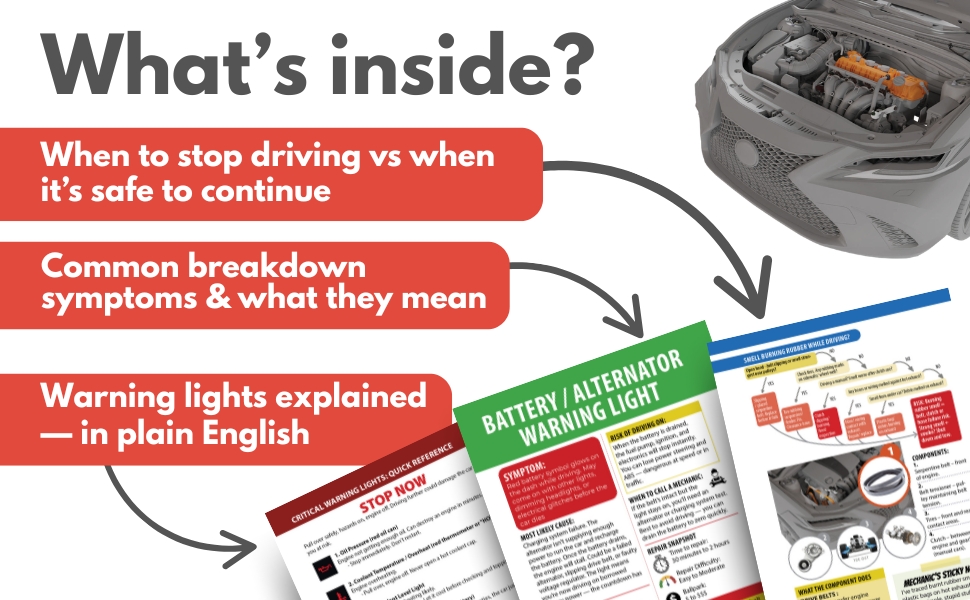
Visit our DIY Car Maintenance page and level up your car care skills — or keep the quick-reference version below in your glovebox.
Look inside on Amazon.com


Look inside on Amazon.com
- About the Author
- Latest Posts


Meet Northcap, a seasoned mechanic and roadside assistance expert with over 20 years of hands-on experience. At Rustyautos.com, Northcap shares exclusive insights into what really breaks down in cars, offering practical tips and real-world advice to keep drivers informed and their cars on the road.