You start the engine…
It shakes.
Feels rough.
Maybe the check engine light is flashing.
That’s not a “drive it and see” moment.
That’s a misfire. And these codes point straight at the ignition coils.
What These Codes Mean
P0351 to P0356 all relate to ignition coil circuit faults.
Each number refers to a specific cylinder:
- P0351 – Coil A (Cylinder 1)
- P0352 – Coil B (Cylinder 2)
- P0353 – Coil C (Cylinder 3)
- P0354 – Coil D (Cylinder 4)
- P0355 – Coil E (Cylinder 5)
- P0356 – Coil F (Cylinder 6)
Not all cars have six cylinders; some have more, most have less, but the idea is the same.
The ECU is seeing a problem in the electrical circuit that controls the ignition coil on that cylinder.
Important detail.
This isn’t just a weak spark.
This is a circuit fault.
That means wiring, power, ground, or control issues are all on the table.
What the Ignition Coil Actually Does
Makes high voltage.
Each coil takes low battery voltage and steps it up to thousands of volts to fire the spark plug.
No spark, no combustion.
No combustion, you get:
- Misfire
- Rough idle
- Lack of power
- Poor fuel economy
And if ignored…
Catalytic converter damage.
That’s where it gets spendy.
What You’ll Notice
This one usually doesn’t hide.
Common symptoms:
- Engine shaking at idle
- Jerking under acceleration
- Flashing check engine light
- Strong fuel smell from exhaust
- Reduced power
- Hard starting in some cases
If the light is flashing, the ECU is warning you:
Unburnt fuel is hitting the catalytic converter.
That can cook it.
Most Common Causes
Failed ignition coil
Top of the list.
Coils fail. Heat, age, vibration… they all take their toll.
In the trade, this is the first suspect.
Wiring or connector issues
Broken wire. Corrosion. Loose connector.
Seen plenty where rodents eat through the wire.
Faulty spark plug
Worn or fouled plugs can overload a coil.
The coil works harder trying to fire a bad plug… eventually it gives up.
Oil or water contamination
Leaking rocker cover gasket?
Oil fills the spark plug well.
That kills coils over time.
Same story with water getting in after washing the engine.
ECU driver fault (less common)
Rare, but it happens.
If the ECU can’t control the coil properly, it throws the code.
But don’t jump here first.
It’s almost never the ECU.
First Checks
Simple stuff first.
Always.
- Swap the coil with another cylinder
- Clear the code
- Run the engine
If the fault moves to the new cylinder…
You’ve found it.
Bad coil.
Quick, clean diagnosis.
Next:
- Check the connector for damage or corrosion
- Inspect wiring for breaks or rubbing
- Pull the spark plug and inspect it
You’re building a picture.
Not guessing.
How to Fix It
Replace the faulty coil
Straightforward job on most engines.
Usually sitting right on top of the spark plug.
Consider replacing all coils
Especially on older engines.
Saves repeat breakdowns.
Replace spark plugs at the same time
This matters.
New coil on an old worn plug?
You’re shortening the life of that new coil.
Fix oil leaks
If the plug wells are full of oil, deal with the rocker cover gasket.
Otherwise you’ll be back doing coils again.
Can You Drive With This Fault?
Short answer.
You can. But you shouldn’t.
Driving with a misfire will:
- Damage the catalytic converter
- Reduce engine power
- Increase fuel consumption
- Potentially cause further engine damage
If the check engine light is flashing…
Stop driving.
That’s the car telling you damage is happening right now.
When It’s Not So Simple
If swapping coils doesn’t move the fault:
Now you dig deeper.
- Check for power supply at the coil
- Check ground
- Check ECU control signal
This is where a multimeter or scope comes in.
And this is where some jobs move beyond DIY.
No shame in that.
Insider Tip
Seen this more than once.
Aftermarket cheap coils.
They work… for a while.
Then they don’t.
Intermittent misfires. Random faults.
If you’re replacing coils, use decent quality parts.
Saves you chasing ghosts later.
Quick Summary
- P0351–P0356 = ignition coil circuit fault
- Usually a failed coil or wiring issue
- Causes rough running and misfires
- Easy to diagnose by swapping coils
- Don’t ignore it, or you’ll damage the catalytic converter
Fix it early.
Keep it simple.
And your engine will run the way it should.

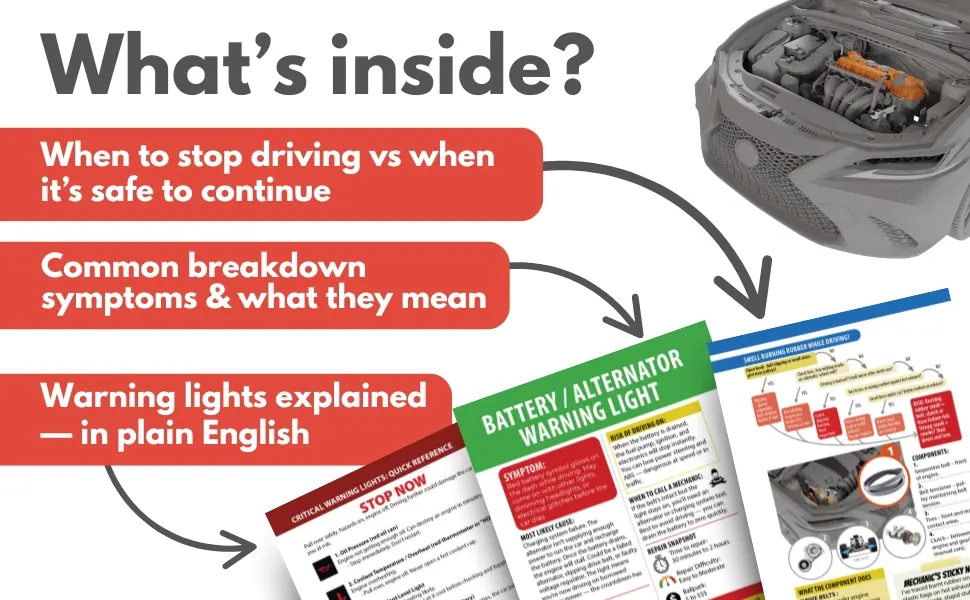
Visit our DIY Car Maintenance page and level up your car care skills — or keep the quick-reference version below in your glovebox.
Look inside on Amazon.com
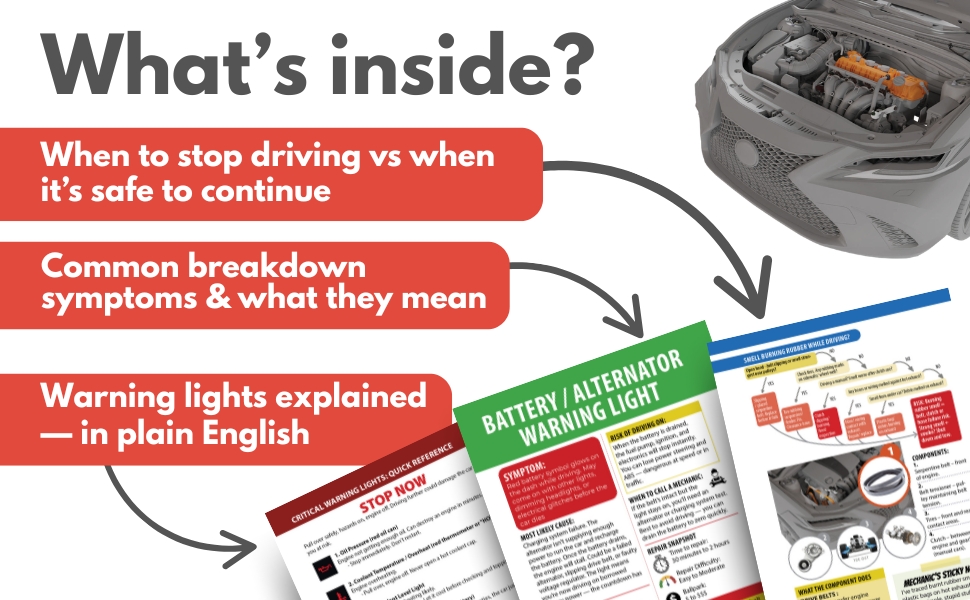
Look inside on Amazon.com
- About the Author
- Latest Posts


Meet Northcap, a seasoned mechanic and roadside assistance expert with over 20 years of hands-on experience. At Rustyautos.com, Northcap shares exclusive insights into what really breaks down in cars, offering practical tips and real-world advice to keep drivers informed and their cars on the road.