Engine running…
Fuel economy starts slipping.
Idle feels a bit off.
P0130 fault code flagged.
This one points to a problem with the oxygen sensor circuit on Bank 1 Sensor 1.
That’s the upstream sensor. The one before the catalytic converter.
The important one.
What this sensor actually does
The upstream O2 sensor measures how much oxygen is in the exhaust gases.
From that, the ECU works out if the engine is running rich or lean.
Too much fuel or not enough.
It constantly adjusts fuel delivery based on this signal. Happens in real time, hundreds of times a second.
That’s how modern engines stay efficient and clean.
If the signal is missing, slow, or incorrect, the ECU is basically guessing.
And guessing means poor running.
What Bank 1 Sensor 1 means
Bank 1 refers to the side of the engine with cylinder 1.
Sensor 1 means the first sensor in the exhaust stream. Before the catalytic converter.
So this is the primary feedback sensor for fuel control.
If it goes down, fuel control suffers immediately.
What causes P0130
This can go a few ways.
Failed or slow O2 sensor
Internal wear or contamination from age, oil, or coolant
Exhaust leaks
Air getting into the exhaust before the sensor gives false readings
Poor connection
Loose plug or corrosion in the connector
Wiring damage
Heat from the exhaust can cook wiring over time
Fuel system issues
Running too rich or lean can confuse or damage the sensor
ECU issues
Rare, but possible
What you’ll notice
Sometimes subtle. Sometimes not.
- Check engine light on
- Poor fuel economy
- Rough idle
- Hesitation on acceleration
- Strong fuel smell from exhaust
- Engine running rich or lean
Most drivers don’t notice much at first. Just more trips to the fuel pump.
How to diagnose it
Start with a scan tool.
Look at live O2 sensor data. A healthy sensor should switch quickly between rich and lean.
If it’s stuck high, stuck low, or slow to respond, that’s a problem.
Listen for exhaust leaks upstream of the sensor.
Check wiring near the exhaust. Heat damage is common.
Inspect the connector. Any corrosion or loose pins will affect the signal.
If everything checks out, the sensor itself is likely worn out.
Can you still drive with P0130
Yes, but it’s not ideal.
The car will usually keep running, but fuel control won’t be accurate.
That means higher fuel consumption and increased emissions.
Long term, running too rich can damage the catalytic converter.
That’s where it gets expensive.
How to fix it
- Replace the O2 sensor if it’s faulty
- Repair damaged wiring
- Clean or secure connectors
- Fix any exhaust leaks
- Address underlying fuel system issues if present
Most upstream sensors are accessible and straightforward to replace.
FAQs
What’s the difference between Sensor 1 and Sensor 2?
Sensor 1 is before the catalytic converter and controls fuel mixture. Sensor 2 is after the converter and monitors its efficiency.
Will a bad O2 sensor cause poor fuel economy?
Yes. The ECU relies on it to fine-tune fuel delivery.
Can I just clear the code and keep driving?
You can, but the code will return if the fault is still there.
Is this an urgent fix?
Not immediately critical, but don’t leave it too long. It can lead to more expensive issues.

Visit our DIY Car Maintenance page and level up your car care skills — or keep the quick-reference version below in your glovebox.
Look inside on Amazon.com
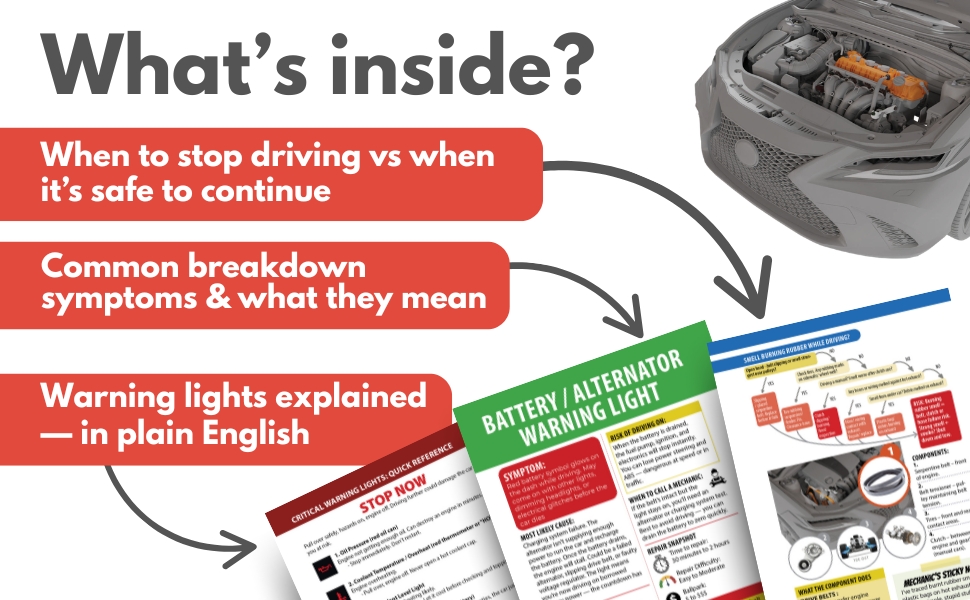
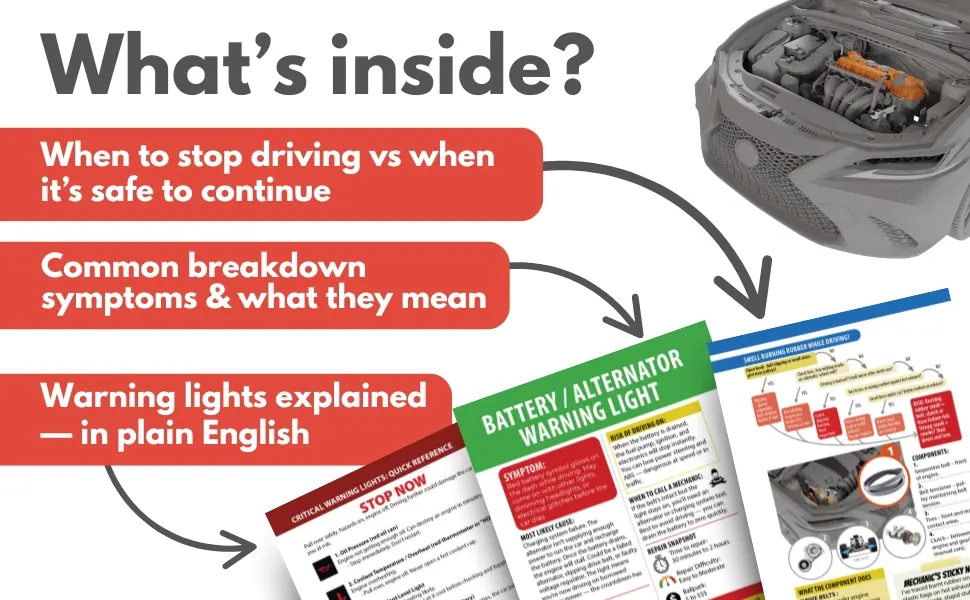
Look inside on Amazon.com
- About the Author
- Latest Posts


Meet Northcap, a seasoned mechanic and roadside assistance expert with over 20 years of hands-on experience. At Rustyautos.com, Northcap shares exclusive insights into what really breaks down in cars, offering practical tips and real-world advice to keep drivers informed and their cars on the road.