You scan the car and see P0103.
The engine control unit is seeing too much air.
That does not mean the engine is actually getting too much air. It often means the signal is wrong.
What P0103 Actually Means
P0103 means Mass Air Flow Sensor Circuit High Input.
In simple terms, the engine control unit is receiving a higher than expected voltage signal from the MAF sensor.
That tells the system there is more air entering the engine than there really is.
The result is over-fueling.
What the MAF Sensor Is Supposed to Do
The MAF sensor measures incoming air and reports it to the engine control unit so it can match fuel delivery.
When the signal is too high, the control unit assumes high airflow and injects more fuel than needed.
That leads to a rich running condition.
Common Symptoms of P0103
This fault tends to be more noticeable than a low input issue.
You may notice black smoke from the exhaust under acceleration.
Fuel consumption usually increases.
The engine can feel sluggish or bogged down, especially when accelerating.
Rough idle is common, and the engine may hesitate or misfire.
The check engine light will be on, and some vehicles may enter a reduced power mode.
Most Common Causes
Faulty MAF Sensor
A high input signal is often caused by a failing sensor that is over-reporting airflow.
This is more common with P0103 than with P0102.
Internal failure or contamination can cause the sensor to send a constant high signal.
Wiring Issues or Short Circuit
This is a big one.
If the signal wire is shorted to power, the engine control unit will see a high voltage reading.
Check for damaged wiring, especially near the connector or where the loom passes sharp edges or hot components.
Poor Ground Connection
The MAF sensor relies on a stable ground.
If the ground is weak or unstable, the signal voltage can rise above normal.
This can trick the control unit into thinking airflow is higher than it is.
Contaminated MAF Sensor
While dirt usually causes low readings, certain types of contamination can cause unstable or exaggerated signals.
Oil from aftermarket oiled air filters is a common culprit.
It coats the sensor and interferes with accurate measurement.
Intake Issues
In some cases, intake modifications or incorrect parts can affect airflow readings.
This is less common on standard vehicles but can happen if parts have been replaced or modified incorrectly.
Quick Diagnostic Plan
Start with the basics and work forward.
Carry out a visual inspection of the intake system and sensor area. Make sure everything is properly fitted and sealed.
Check the wiring and connector. Look for damage, corrosion, or loose pins.
If you have a scan tool, look at live data. A MAF reading that is unusually high at idle is a strong indicator of a fault.
Compare readings at idle and when revving the engine. If the values are out of range or do not behave normally, focus on the sensor and wiring.
If possible, unplug the MAF sensor. On many vehicles, the engine will default to a backup value. If the engine runs better with it unplugged, the sensor is likely faulty.
How to Clean the MAF Sensor
Cleaning is still worth trying before replacing the sensor.
Remove the sensor carefully.
Spray the sensing element with proper MAF cleaner. Do not touch it.
Allow it to dry fully before reinstalling.
This can resolve issues caused by contamination, especially from oil residue.
When to Replace the MAF Sensor
Replace the sensor if cleaning does not improve the readings and the wiring checks out.
If live data consistently shows high airflow readings that do not match engine conditions, the sensor is likely at fault.
Use a good quality replacement. Poor quality sensors can create new issues.
Can You Drive With a P0103 Code
Yes, but it is not ideal.
The engine will likely run rich, which increases fuel consumption and can foul spark plugs over time.
You may also notice reduced performance and poor throttle response.
If left unresolved, it can lead to further issues, including damage to the catalytic converter.
Real World Pattern
A common situation is a vehicle with a P0103 code where the MAF sensor has already been replaced, but the problem remains.
In many cases, the issue turns out to be wiring damage causing a high signal.
Another frequent cause is contamination from an oiled air filter, which has coated the sensor and affected its readings.
Bottom Line
P0103 is a high signal problem, not always a high airflow problem.
It is usually caused by a faulty sensor, wiring issue, or contamination.
Start with a visual inspection and basic checks. Clean the sensor, inspect the wiring, and confirm readings before replacing parts.
That approach will solve most cases without major expense.

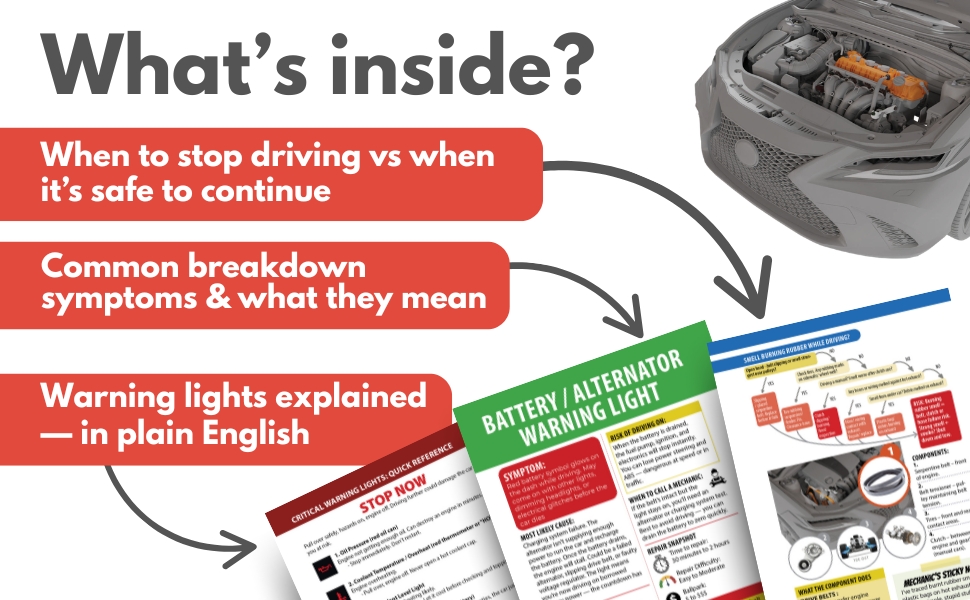
Visit our DIY Car Maintenance page and level up your car care skills — or keep the quick-reference version below in your glovebox.
Look inside on Amazon.com


Look inside on Amazon.com
- About the Author
- Latest Posts


Meet Northcap, a seasoned mechanic and roadside assistance expert with over 20 years of hands-on experience. At Rustyautos.com, Northcap shares exclusive insights into what really breaks down in cars, offering practical tips and real-world advice to keep drivers informed and their cars on the road.