Most new drivers feel awkward talking to a mechanic. Good news: you’re not expected to diagnose anything. Mechanics prefer simple, factual descriptions — it’s how we pinpoint problems faster. Here’s how to explain things confidently.
1. Describe the Symptom, Not the Cause
Never say what you think is broken — just describe what you saw, heard, or felt.
☐ What happened?
☐ When did it start?
☐ Does it happen all the time or only sometimes?
☐ Any warning lights?
Example:
❌ “I think the alternator is gone.”
✔️ “The battery light came on and the steering got heavy just before it stalled.”
2. Use Simple Everyday Language
You don’t need technical terms.
✔️ “A loud tapping noise from the engine.”
✔️ “A burning smell when I stop the car.”
✔️ “It jerks when I accelerate.”
The clearer the description, the easier the diagnosis.
3. Mention Anything That Changed Recently
Mechanics look for patterns. Helpful details include:
☐ Recent fuel stop
☐ Heavy rain or puddles
☐ Long trip
☐ Hit a pothole
☐ Car sitting unused
☐ Any DIY work (even topping up fluids)
These details often point straight to the real issue.
4. Be Honest About How the Car’s Been Used
Don’t worry — mechanics aren’t judging you.
✔️ “I’ve been doing short trips.”
✔️ “It hasn’t been serviced in a while.”
✔️ “It sat for two weeks before this happened.”
Honesty saves time and money.
5. Ask for Plain-English Explanations
A good mechanic can explain things simply.
Try:
👉 “Can you show me where the problem is?”
👉 “What caused it?”
👉 “Is it safe to drive until fixed?”
👉 “What are my options?”
Don’t be afraid to ask questions — it’s your car.
6. Always Ask for a Rough Cost and Timeframe
Even a ballpark estimate is helpful.
✔️ “Is this likely to be small, medium, or a big repair?”
✔️ “When do you think it will be ready?”
This sets expectations and avoids surprises.
7. Keep Notes or Take a Quick Photo
A picture or short note helps if the problem only happens sometimes.
✔️ Dash lights
✔️ Where a leak was
✔️ Noise location
✔️ When the issue happened (cold start, traffic, after rain, etc.)
Mechanics love solid clues.
8. Use This Simple Script
If you’re nervous, follow this:
“Hi, I’m having an issue with my car.
It’s a [year/make/model].
The problem is: [describe what you saw/heard/felt].
It started [when].
It happens [always/sometimes].
No guesses — just what I noticed.”
Perfect. Clear. Mechanic-friendly.
Pro Tips From the Trade
🔹 Don’t apologise: They’ve heard everything.
🔹 Don’t guess the fault: It sends them in the wrong direction.
🔹 Don’t hide anything: Even small details help.
🔹 Be polite and patient: It gets you better service everywhere.
🔹 If something sounds expensive, ask “Why?” A good mechanic will explain.


Visit our DIY Car Maintenance page and level up your car care skills — or keep the quick-reference version below in your glovebox.
Look inside on Amazon.com


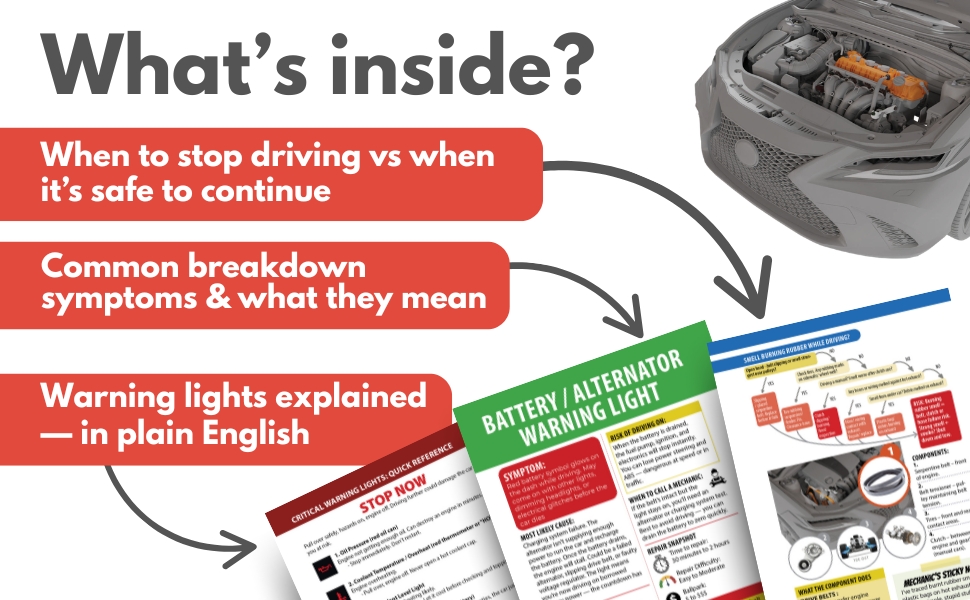
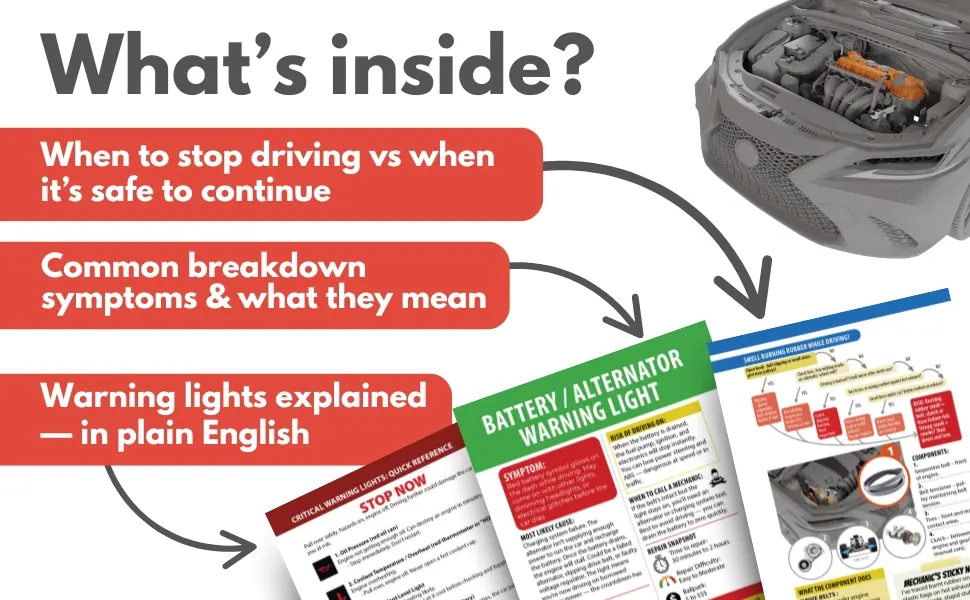
Look inside on Amazon.com
- About the Author
- Latest Posts


Meet Northcap, a seasoned mechanic and roadside assistance expert with over 20 years of hands-on experience. At Rustyautos.com, Northcap shares exclusive insights into what really breaks down in cars, offering practical tips and real-world advice to keep drivers informed and their cars on the road.