You turn the key and instead of a clean crank, you get a harsh grinding noise.
That’s not normal.
On roadside calls, this is one I take seriously straight away because it usually means metal parts are clashing where they shouldn’t. Keep trying to start it and you can quickly turn a small fix into an expensive one.
First — What That Grinding Noise Actually Is
When you start your car, the starter motor engages with the engine’s flywheel.
Think of it like two gears meshing together. A small gear on the starter and a large ring gear on the flywheel.
If they don’t mesh properly, they grind. That’s the noise you’re hearing.
What Does It Sound Like
Single Grind Then Starts
You hear one quick grind and then the engine starts normally. This is usually an early warning sign.
Repeated Grinding — Won’t Start Cleanly
It grinds every time you turn the key and the engine struggles to turn. This points to a starter or engagement issue getting worse.
Loud Grinding and No Start
A harsh continuous grind and the engine doesn’t crank properly. This often means damaged teeth or a failed starter engagement.
Most Common Causes (From the Roadside)
Worn Starter Motor Gear
The starter has a small gear called a pinion. Over time, the teeth wear down and the gear can’t engage properly with the flywheel. It slips and grinds instead. This is very common on higher mileage vehicles.
Damaged Flywheel Teeth
The flywheel has a ring of teeth around its edge. If some of those teeth are worn or missing, the starter hits a bad section and grinds.
A key clue here is that it doesn’t happen every time. The engine stops in different positions, so sometimes it lands on a worn section.
Weak or Failing Starter Solenoid
The solenoid pushes the starter gear into the flywheel. If it’s weak, the gear doesn’t fully engage and the teeth clash instead of meshing cleanly.
Loose Starter Motor
If the starter isn’t mounted properly, it sits slightly out of alignment. That throws off the gear engagement and causes grinding.
This often shows up after a recent starter replacement or poor installation.
Wrong Starter Motor Fitted
It happens more than you’d think. If the wrong starter is fitted, the gear size or reach may be slightly off. That leads to poor engagement and grinding from the start.
Low Battery Voltage
If the battery is weak, the starter spins slower and engages poorly. That can cause partial engagement and grinding. It’s not the most common cause, but it does happen.
Quick Roadside Checks
Try starting it again once or twice only. If it starts cleanly the second time, it could be a worn section on the flywheel or a starter beginning to fail. Don’t keep cranking repeatedly.
Listen carefully to the noise. A single grind points to an early issue. Constant grinding means stop and don’t keep trying.
Check battery strength. If the crank is slow or the dash lights dim heavily, a weak battery could be contributing.
Pay attention to when it happens. If it’s every start, the starter is the likely issue. If it’s intermittent, worn flywheel teeth are possible.
Can You Keep Driving
Yes, the car will usually run fine once started, but you need to be careful.
Every time it grinds, it’s causing more damage. Leave it long enough and you risk stripping the flywheel teeth or ending up with a starter that won’t engage at all.
That’s how people end up stranded.
What Mechanics Check First
In the trade, we go straight to the basics.
Starter motor condition
Starter mounting and alignment
Battery and cable condition
Flywheel teeth condition
These checks tell us where the problem is.
Typical Fixes
Replacing the starter motor is the most common fix and usually straightforward.
If the starter is loose or misaligned, correcting the fitment can solve the issue cheaply.
If the flywheel teeth are damaged, the flywheel needs replacing, which is a much bigger job because the gearbox has to come out.
If the battery is weak, replacing it can improve engagement.
The Bottom Line
Grinding when starting is not something to ignore.
Most of the time it’s the starter motor beginning to fail.
Leave it long enough and it can damage the flywheel, which turns it into a much bigger and more expensive repair.
If it grinds, don’t keep cranking.
Quick FAQs
Can a bad starter cause grinding
Yes, it’s the most common cause.
Why does it only happen sometimes
The engine stops in different positions, so the starter may only hit worn flywheel teeth occasionally.
Can a flywheel fix itself
No, once the teeth are damaged, it will only get worse.
Is it expensive to fix
A starter is usually reasonable. A flywheel replacement is not.
Should I stop driving immediately
You can drive the car, but avoid repeated starts until it’s checked.

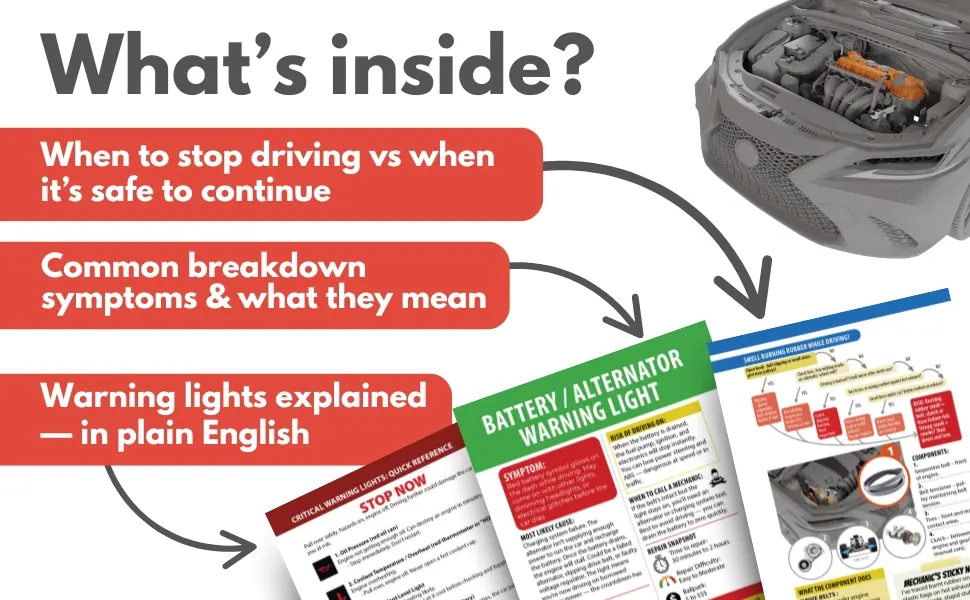
Visit our DIY Car Maintenance page and level up your car care skills — or keep the quick-reference version below in your glovebox.
Look inside on Amazon.com
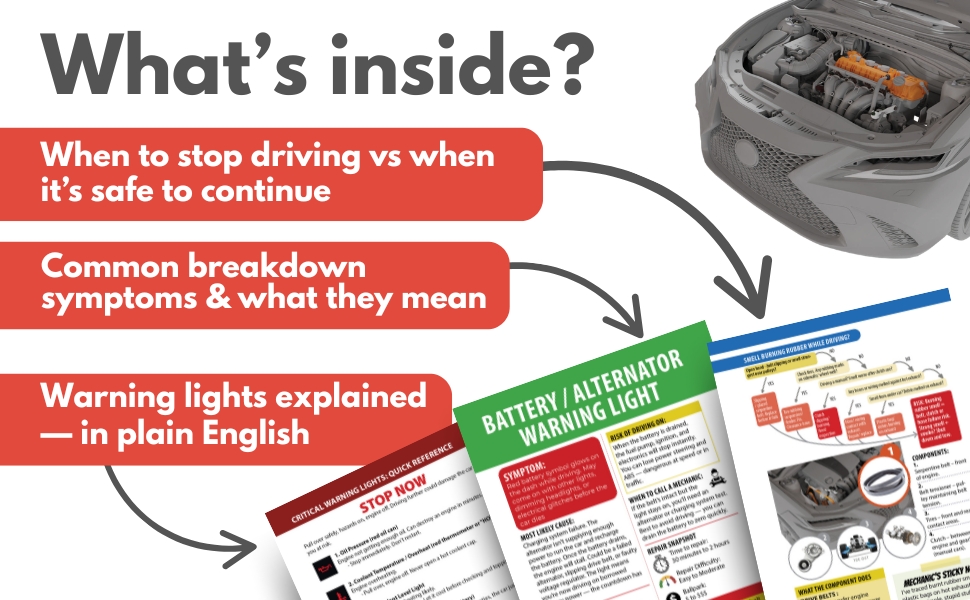
Look inside on Amazon.com
- About the Author
- Latest Posts


Meet Northcap, a seasoned mechanic and roadside assistance expert with over 20 years of hands-on experience. At Rustyautos.com, Northcap shares exclusive insights into what really breaks down in cars, offering practical tips and real-world advice to keep drivers informed and their cars on the road.