Grinding when you shift gears is one of those noises that makes experienced mechanics wince.
Because it usually means metal is meeting metal when it shouldn’t.
On roadside calls, this is rarely a “wait and see” situation. It’s a sign something in the gear change process isn’t lining up properly, and every shift is doing damage.
What Does Grinding When Shifting Feel Like
Drivers usually describe it like this.
You press the clutch.
Move the gear lever.
And instead of a smooth engagement… you get a harsh grinding noise.
Sometimes it happens going into one gear only. Often first or reverse.
Other times it’s across multiple gears.
It can also feel notchy, stiff, or like the gear just doesn’t want to go in.
That grinding noise is the gears inside the transmission not syncing up before engagement.
Most Common Causes
Worn Synchronizers
This is the big one.
Inside a manual gearbox, synchronizers match the speed of the gears before they engage. When they wear out, they stop doing their job.
So instead of a smooth shift, the gears clash.
Classic signs.
Grinding when shifting into a specific gear
Worse when shifting quickly
Improves slightly if you shift slowly or double-clutch
Once synchros are worn, the only real fix is gearbox repair or replacement.
Clutch Not Fully Disengaging
If the clutch isn’t separating the engine from the gearbox properly, the gears are still spinning when you try to shift.
That leads straight to grinding.
Common causes here.
Worn clutch
Air in the hydraulic system
Failing master or slave cylinder
Stretched or misadjusted clutch cable
A quick clue.
If the car creeps forward slightly with the clutch fully pressed, the clutch is dragging.
Low or Dirty Gearbox Oil
Gear oil is often forgotten.
Low or contaminated oil reduces lubrication and makes gear engagement harder.
This can cause.
Notchy shifting
Increased wear
Occasional grinding
Always worth checking before assuming the worst.
Linkage or Shifter Issues
If the gear linkage isn’t aligned properly, the gearbox may not fully engage the selected gear.
This can lead to partial engagement and grinding.
Look out for.
Loose gear lever feel
Difficulty selecting gears
Inconsistent shifting
Quick Checks You Can Do
Simple stuff first.
With the engine off, try shifting through all gears.
If it feels smooth, the issue is likely clutch or internal gearbox related.
Start the engine and try again.
If grinding appears only when running, that points strongly toward clutch drag or synchro wear.
Check clutch pedal feel.
Soft or spongy usually means hydraulic trouble.
Very high bite point suggests a worn clutch.
Can You Keep Driving
Short answer. You can, but you’re making it worse every time.
Grinding is not just a noise. It’s damage.
On the roadside, I’ve seen plenty of these turn into full gearbox failure because the driver kept going.
If it’s only one gear, you can sometimes avoid using it temporarily.
But if multiple gears are grinding, you’re on borrowed time.
Best advice. Get it checked sooner rather than later.
If You’re Driving an Automatic
True grinding is very uncommon in automatic transmissions.
If you think your automatic is “grinding,” it’s usually something else.
More likely.
Harsh or banging shifts
Delayed engagement
Shudder under acceleration
Whining noise from the transmission
These point to different issues like fluid problems, valve body faults, or internal wear.
So if it’s an automatic, don’t chase a “grinding gears” diagnosis. The fault lies elsewhere.
How This Gets Fixed
It depends on the cause.
Clutch issues are usually the best case.
Replace or bleed the system and you’re back in business.
Gearbox oil issues are straightforward.
Drain and refill with the correct spec oil.
Worn synchronizers are the expensive one.
That means gearbox rebuild or replacement.
Linkage issues can sometimes be adjusted or repaired without major cost.
A Mechanic’s Tip
On roadside jobs, when I hear a driver say.
“It only grinds if I rush the shift.”
That’s almost always early synchro wear.
Slow shifting masks the problem for a while, but it won’t stop it getting worse.

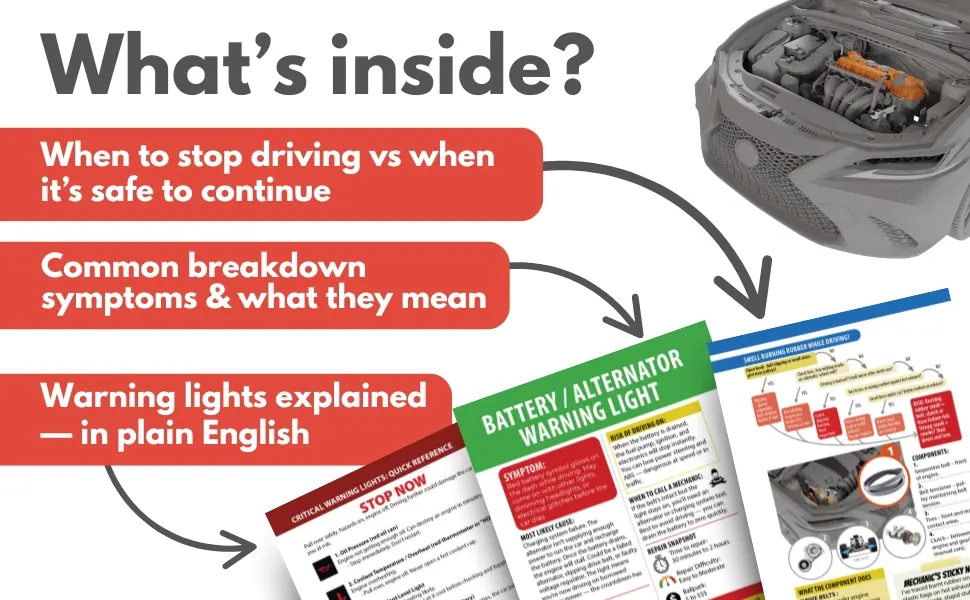
Visit our DIY Car Maintenance page and level up your car care skills — or keep the quick-reference version below in your glovebox.
Look inside on Amazon.com
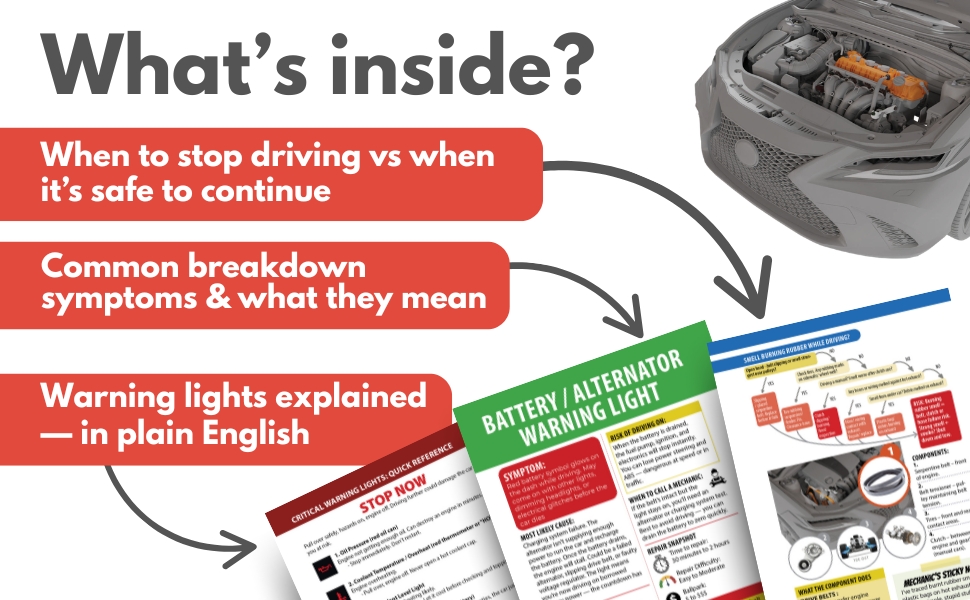
Look inside on Amazon.com
- About the Author
- Latest Posts


Meet Northcap, a seasoned mechanic and roadside assistance expert with over 20 years of hands-on experience. At Rustyautos.com, Northcap shares exclusive insights into what really breaks down in cars, offering practical tips and real-world advice to keep drivers informed and their cars on the road.