Engine sounds like it’s got a woodpecker under the hood? That knock or tick isn’t background music — it’s your engine telling you something’s off.
Why It Happens
Engines are meant to hum, not tick-tock. Knocking usually means combustion problems — wrong fuel, worn bearings, or timing issues. Ticking tends to be valvetrain noise: lifters, rockers, or low oil starving the top end.
Ignore it, and what starts as a tick can snowball into a rebuild bill.
Most Common Causes
- Low or dirty oil — starving lifters or bearings.
- Worn lifters or rocker arms — common tick source.
- Incorrect fuel octane or pre-ignition — causes knock under load.
- Exhaust leak at manifold — sometimes ticks like a lifter.
- Rod knock — bottom-end bearings hammered flat.
What You Can Check
- Check your oil level and condition. Low or black oil = big clue.
- Listen: ticking that rises with RPM often points to the valvetrain. Heavy knocking under load = rod bearings.
- Note when it happens. Cold start tick may fade as oil circulates; constant knock means deeper trouble.
- Look for exhaust leaks — black soot around the manifold can mimic ticking.
What a Mechanic Will Check
- Oil pressure test.
- Inspect lifters, rockers, and cam for wear.
- Drop the oil pan to check bearing play (if rod knock suspected).
- Scan ECU for timing or detonation issues.
- Rule out exhaust leaks with smoke or pressure testing.
Ballpark Repair Costs
- Oil and filter change: $60–$120.
- Lifter or rocker replacement: $300–$800.
- Exhaust manifold gasket: $200–$400.
- Engine bearings or bottom-end rebuild: $1,500–$3,500+.
When to Call It Quits
If the noise is heavy knocking — especially under load — park it. That’s rod knock territory, and driving further can grenade the engine. Ticking that doesn’t go away after an oil change? Time for a pro to dig in.


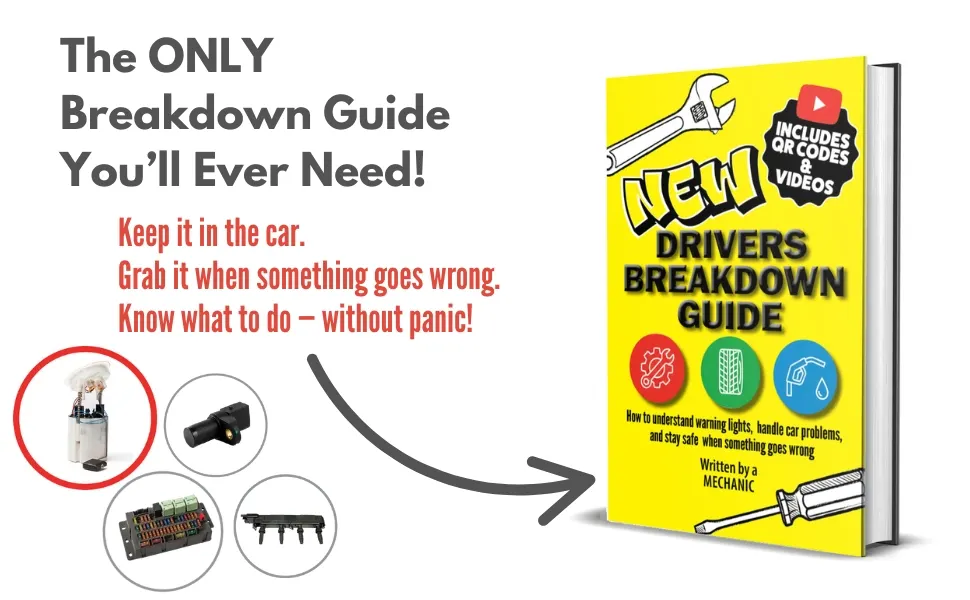
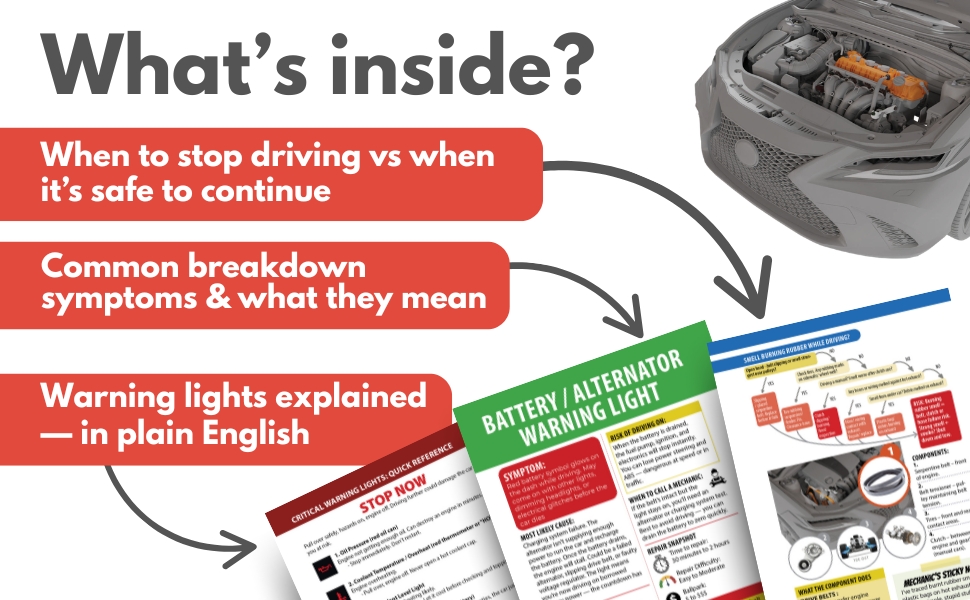
Visit our DIY Car Maintenance page and level up your car care skills — or keep the quick-reference version below in your glovebox.
Look inside on Amazon.com

Look inside on Amazon.com
- About the Author
- Latest Posts

Meet Northcap, a seasoned mechanic and roadside assistance expert with over 20 years of hands-on experience. At Rustyautos.com, Northcap shares exclusive insights into what really breaks down in cars, offering practical tips and real-world advice to keep drivers informed and their cars on the road.