You catch a sharp, acrid smell.
Not oil. Not coolant.
More like burning plastic… or hot wiring.
That’s an electrical smell.
And on roadside calls, this is one of the few symptoms that can go from “minor issue” to “car fire” if ignored.
No drama. Just facts.
First — What Does an Electrical Burn Smell Like?
It’s very distinct once you know it.
- Sharp, chemical smell
- Burning plastic or rubber
- Sometimes slightly sweet, but harsh
- Lingers inside the cabin
If you’ve ever smelled a burnt phone charger or melted plug… that’s the one.
Overheating Wiring or Short Circuit
This is the most common cause.
Wires are only designed to carry a certain amount of current.
Too much current… or a poor connection… and they heat up fast.
What causes it:
- Damaged or exposed wiring
- Loose electrical connections
- Short circuits (power going where it shouldn’t)
- Poor aftermarket installs (very common)
What you’ll notice:
- Burning smell appears suddenly
- Electrical items may stop working
- Possible flickering lights
- In bad cases — smoke
Roadside reality:
I’ve seen looms melted into a solid lump. Once it starts, it escalates quickly.
Failing Electrical Component
Sometimes it’s not the wiring.
It’s the component itself overheating.
Common culprits:
- Blower motor (heater fan)
- Resistor packs
- Alternator
- Starter motor
- Electric seat motors
Signs:
- Smell appears when using a specific function
- Fan on = smell
- Heated seats on = smell
- Engine running = smell (alternator load)
Tip:
Turn systems on and off one at a time. You can often isolate the source quickly.
Blown Fuse or Relay Melting
Fuses are meant to protect circuits.
But if the issue is severe enough, heat can build before the fuse blows.
Relays can also overheat internally.
What to look for:
- Burnt plastic smell near fuse box
- Melted fuse or relay housing
- Electrical systems behaving oddly
Where to check:
- Under dash fuse box
- Engine bay fuse box
Simple check. Worth doing.
Alternator Overcharging or Failing
An alternator fault can cook wiring and components.
If it overcharges, it pushes too much voltage through the system.
If it fails internally, it can overheat.
Symptoms:
- Burning smell from engine bay
- Battery warning light
- Flickering lights
- Whining noise from engine
Important:
Overcharging can damage multiple systems quickly. This one gets expensive fast.
Battery Issue or Melting Terminals
Batteries don’t just go flat.
They can overheat, leak, or even vent gases.
Causes:
- Loose battery terminals
- Corrosion causing resistance
- Internal battery fault
Signs:
- Burning or acidic smell
- Heat around battery area
- Difficulty starting
- Visible corrosion or melting
Safety note:
If the battery is hot or swelling — step back. Don’t touch it.
Aftermarket Accessories (Big Trouble Area)
Dash cams. Phone chargers. Stereo upgrades. LED kits.
These are frequent offenders.
Why:
- Poor wiring quality
- No fuse protection
- Incorrect installation
- Cheap components
Symptoms:
- Smell appears after installing something new
- Issue tied to accessory use
- Wiring behind dash gets hot
In the trade:
Most electrical smells trace back to aftermarket installs.
Heater Motor or Resistor Burning Out
Very common.
The blower motor and its resistor pack sit in the airflow system.
When they fail, they heat up and burn.
Signs:
- Smell strongest through vents
- Fan speeds not working correctly
- Noise from fan area
Good news:
Usually a straightforward fix.
Is It Safe to Keep Driving?
Short answer.
No. Not until you know what it is.
Electrical faults can escalate fast.
- Wiring can ignite insulation
- Components can fail suddenly
- Fire risk is real
If you smell burning:
- Turn off non-essential electrics
- Pull over safely
- Switch off engine
- Investigate before continuing
- Disconnect the battery ground terminal
Quick Checks You Can Do
Simple stuff first.
- Any smoke visible under dash or bonnet?
- Does the smell appear when using a specific feature?
- Check fuse boxes for melted components
- Inspect battery terminals for heat or damage
- Look for recent installs or disturbed wiring
When to Call It
Be honest here.
If you see:
- Melted wiring
- Smoke
- Repeated burning smell
This is not a DIY roadside fix.
Electrical faults need proper diagnosis.
Guessing makes it worse.
Bottom Line
Electrical burning smells are different.
They don’t fix themselves.
They don’t stay small.
Most of the time, it’s overheating wiring or a failing component.
Catch it early… and it’s a repair.
Ignore it… and it can become a write-off.
If in doubt — stop and check.

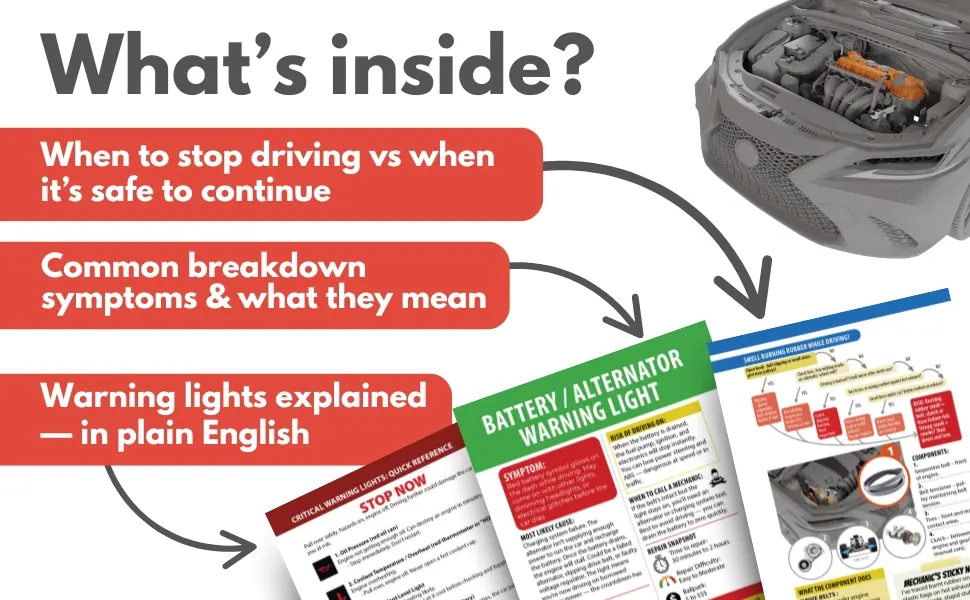
Visit our DIY Car Maintenance page and level up your car care skills — or keep the quick-reference version below in your glovebox.
Look inside on Amazon.com
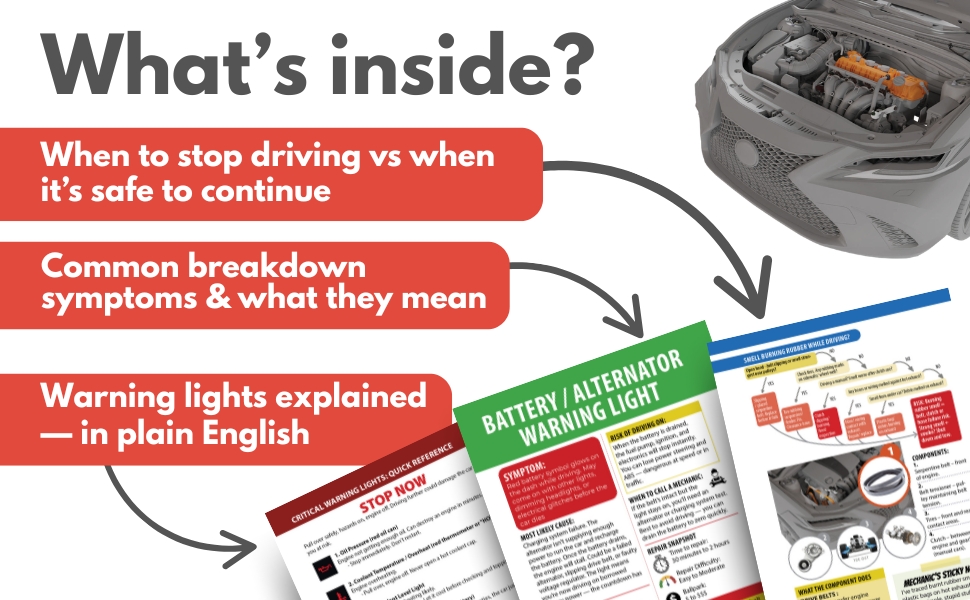
Look inside on Amazon.com
- About the Author
- Latest Posts


Meet Northcap, a seasoned mechanic and roadside assistance expert with over 20 years of hands-on experience. At Rustyautos.com, Northcap shares exclusive insights into what really breaks down in cars, offering practical tips and real-world advice to keep drivers informed and their cars on the road.