Early Sunday morning callout.
Big diesel Jaguar XF. Owner can’t get into the car.
That usually tells me one thing before I even arrive.
Flat battery.
First Problem – Getting Into the Car
When I got there, he’d already popped the little plastic cap off the passenger door to access the manual lock.
Good thinking.
Problem was, the lock was seized.
Not unusual.
These locks barely get used, so they dry out and stiffen up over time.
Quick fix:
- Spray a bit of WD-40 into the lock
- Work the key in and out gently
- Don’t force it, let the lubricant do the work
After a minute of patience, it freed up and we were in.
Completely Dead Battery
Inside the car… nothing.
No dash lights. No clicks. No alarm.
Just dead.
I asked the obvious question.
“Have a good holiday?”
He said how’d you know? I’ve been away for a month.
That’s enough on its own, even with a decent battery.
Modern cars have constant electrical draw:
- Alarm system
- ECU memory
- Keyless entry modules
Leave it long enough, and it’ll drain.
Under the Hood – First Attempt
We popped the hood and went for the jump points.
Modern cars, including the Jaguar, have remote jump terminals under the hood.
I hooked up the jump pack.
Gave it a go.
Nothing.
That told me the battery was seriously low.
Here’s the thing.
Jump packs are great, but on a big diesel like this, if the battery is completely flat, they sometimes don’t have enough grunt on their own.
Gaining Access to the Battery
We got just enough life from the jump pack to pop the trunk.
That’s where the main battery lives on this car.
Once we had access, it was game on.
Proper Jump Start
This time I went with the van and jump leads.
Standard setup:
- Positive to positive
- Negative to a good ground
- Let the donor vehicle run
Left it connected for about 10 minutes to get some charge into the battery.
That’s key.
Don’t rush it.
You’re not just jump starting, you’re waking the battery up.
Engine Fires Up
With everything still connected and my van running, I hit the start button.
Straight away.
Fired up clean.
That’s always a good sign.
Means no deeper issues, just a flat battery.
Charging System Check
Next step, always.
Make sure the car is charging itself.
- Checked voltage with engine running
- Alternator doing its job
All good.
Then I let it run for about 15 minutes and shut it down to test the battery.
Battery wasn’t fully charged yet, but it tested healthy.
That’s important.
No need to replace it.
The parking brake just needed a recalibration. I had him cycle it on and off, and that sorted it.
There was also a transmission warning, but that cleared as soon as he started driving.
That’s all pretty typical after a flat battery. When power is lost, a lot of systems forget their positions. Driving the car and operating things like the parking brake, windows, and steering usually lets everything relearn and reset itself.
Final Advice to the Owner
I told him to:
- Start it again (it did, no problem)
- Let it run for at least an hour
No need to drive it if he didn’t want to.
Just let the alternator do the work.
But here’s the real takeaway.
How to Avoid This Next Time
If the car is going to sit for weeks
You’ve got two options:
1. Drive it occasionally
Best option, keeps everything moving and charged.
2. Use a battery maintainer
Also called a trickle charger.
These:
- Keep the battery topped up
- Prevent deep discharge
- Extend battery life
They’re cheap to run and ideal if the car’s parked in a garage.
Plug it in, forget about it.
The Bottom Line
Nothing wrong with the car.
Nothing wrong with the battery.
Just a modern vehicle doing what modern vehicles do
Draining power when left sitting.
Simple fix on the day.
Even simpler fix for the future.

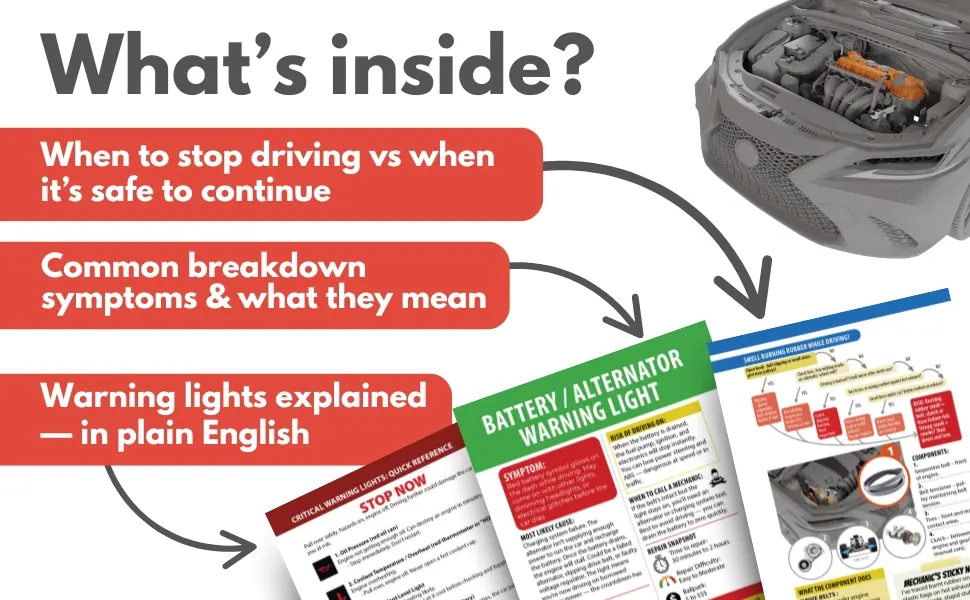
Visit our DIY Car Maintenance page and level up your car care skills — or keep the quick-reference version below in your glovebox.
Look inside on Amazon.com
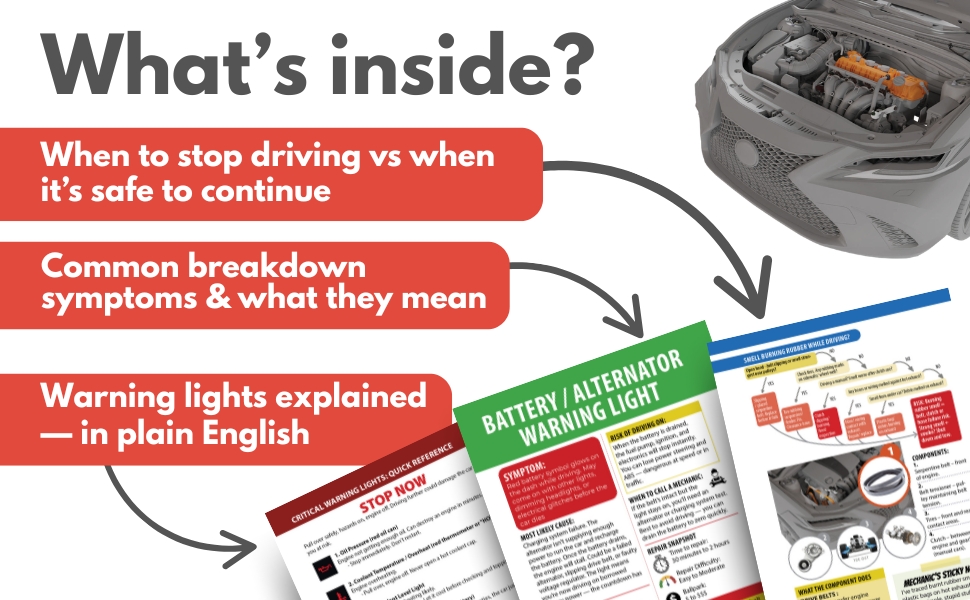
Look inside on Amazon.com
- About the Author
- Latest Posts


Meet Northcap, a seasoned mechanic and roadside assistance expert with over 20 years of hands-on experience. At Rustyautos.com, Northcap shares exclusive insights into what really breaks down in cars, offering practical tips and real-world advice to keep drivers informed and their cars on the road.