Hit the button, light flashes, but the car won’t hold speed. Annoying, sure — but here’s the truth: cruise control usually quits because something else is wrong.
Why It Happens
Cruise isn’t its own system, it’s a piggyback. It relies on sensors, switches, and modules already running the car. If one of those throws a fit — brake switch, clutch switch, ABS, throttle sensors — cruise gets shut down as collateral damage. It’s less “cruise broke” and more “something else broke, so cruise said nope.”
Most Common Culprits
- Faulty brake pedal switch — ECU thinks you’re braking, cruise won’t engage.
- Bad clutch switch (manuals) — same deal, it cancels cruise.
- ABS or wheel speed sensor fault — cruise can’t trust the speed reading.
- Throttle body or TPS issue — ECU won’t hand over throttle control.
- Blown fuse or wiring fault — less common, but possible.
What You Can Check
- Does the brake light work normally? If not, suspect the switch.
- If manual, try holding the clutch pedal up while engaging cruise.
- Scan for codes — ABS or engine codes often explain a dead cruise system.
- Try all speeds — some systems won’t engage below 25–30 mph.
What a Mechanic Will Do
- Scan the ECU for stored faults (ABS, engine, or throttle).
- Test brake and clutch switches.
- Inspect wheel speed sensors and wiring.
- Check throttle body/TPS operation.
- Verify fuse and cruise module power.
Rough Damage to Your Wallet
- Brake/clutch switch: $80–$200.
- Wheel speed sensor: $150–$300 each.
- Throttle body/TPS: $300–$700.
- Wiring/fuse repair: $50–$150.
- ABS module: $800–$1,500+.
When to Park It
Cruise control not working won’t strand you — but the issue behind it might. If ABS or throttle faults are killing cruise, you’ve got bigger fish to fry. Treat it as a warning flag, not just a comfort feature gone missing.

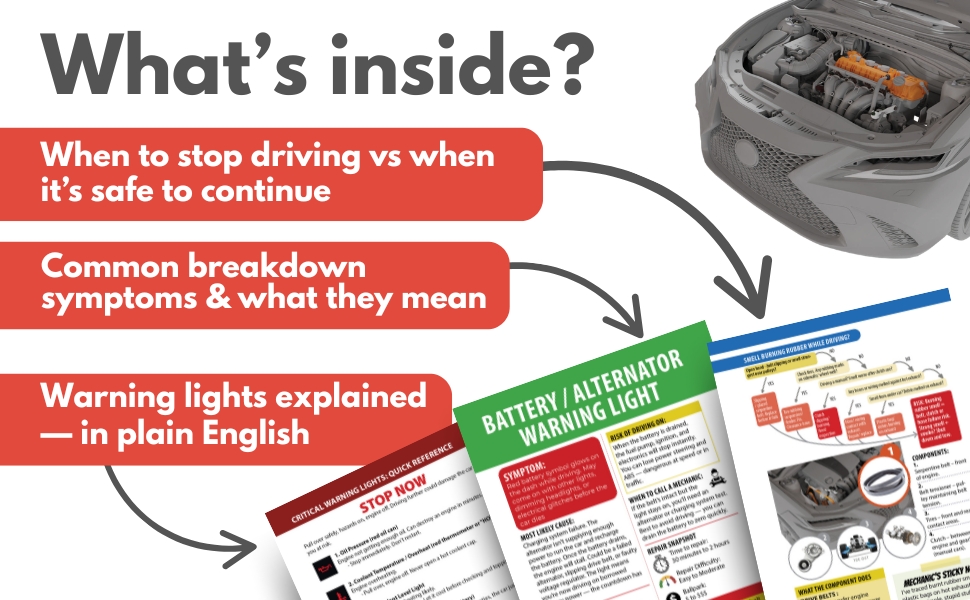
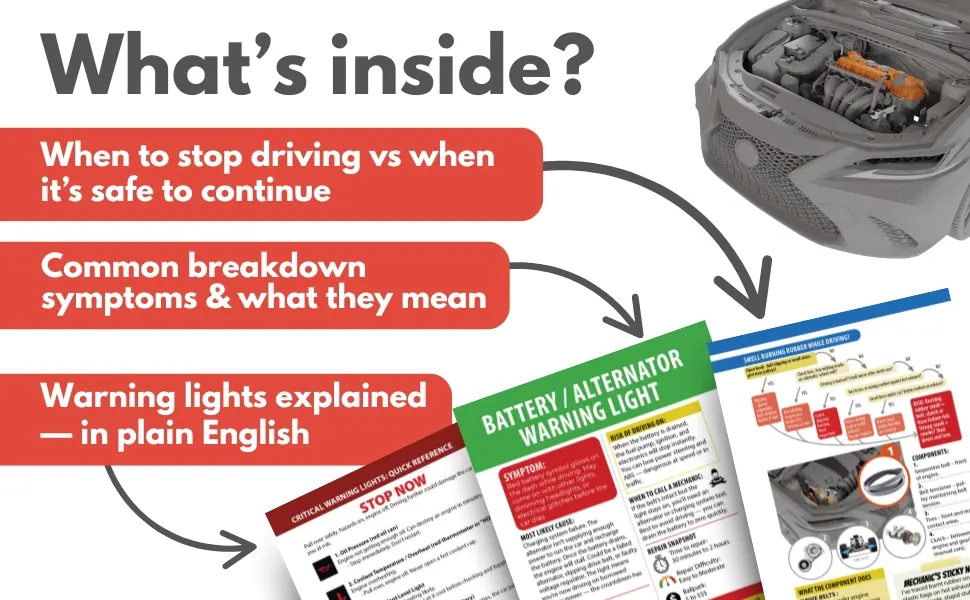
Visit our DIY Car Maintenance page and level up your car care skills — or keep the quick-reference version below in your glovebox.
Look inside on Amazon.com
Look inside on Amazon.com
- About the Author
- Latest Posts


Meet Northcap, a seasoned mechanic and roadside assistance expert with over 20 years of hands-on experience. At Rustyautos.com, Northcap shares exclusive insights into what really breaks down in cars, offering practical tips and real-world advice to keep drivers informed and their cars on the road.