You top it up…
Drive for a few days…
Check again.
Low.
No puddle. No obvious leak. Just… gone.
That’s not normal.
Coolant is a sealed system. If it’s dropping, it’s going somewhere. And on roadside calls, this is one you don’t ignore. Because small losses turn into big problems fast.
Let’s track it down.
First — Confirm It’s Actually Losing Coolant
Before chasing faults, make sure it’s not just a level fluctuation.
Coolant expands when hot and contracts when cold.
Always check it cold, on level ground.
If you’re topping it up regularly, then yes, you’ve got a loss.
Most Common Causes (What I Check First)
External Leaks (The Usual Suspect)
Start here.
Most coolant loss is external. You just haven’t spotted it yet.
Where to look
Radiator
Hoses and hose joints
Water pump
Expansion tank cap
Thermostat housing
What you’ll notice
Dried white or pink residue
Damp patches
Sweet coolant smell
Small drips after parking
Some leaks only show when the system is hot and under pressure. So they can be easy to miss.
Expansion Tank Cap Fault
Simple but often overlooked.
The cap holds pressure in the system. That pressure raises the boiling point of coolant.
If the cap is weak?
Coolant can escape as vapour.
Symptoms
Coolant level dropping slowly
No obvious leak
Residue around the cap
Cheap part. Worth checking early.
Heater Matrix Leak
This one leaks inside the car.
Signs
Sweet smell inside the cabin
Windows misting up
Damp carpets, especially passenger side
Gradual coolant loss
Easy to miss if you’re not looking for it.
Water Pump Leak
Water pumps often leak before they fail completely.
They usually have a small “weep hole” where coolant escapes when the seal starts to go.
Symptoms
Coolant loss
Staining around pump area
Possible noise if bearings are worn
If it’s leaking, it’s on its way out.
Radiator Hairline Cracks
Plastic radiators can crack with age.
These leaks can be tiny and only open when hot.
What you’ll notice
Coolant smell after driving
Slight drop in level over time
No obvious drip
Pressure testing usually finds these.
Internal Leak (Head Gasket or Engine Issue)
This is the one people worry about.
And sometimes, they’re right.
Coolant can leak internally into the engine.
Symptoms
Coolant disappearing with no external leak
White smoke from exhaust
Engine running rough on startup
Bubbles in expansion tank
In some cases, coolant is burned off slowly, making it hard to spot.
EGR Cooler Leak (Diesel Engines)
On many diesels, the EGR cooler uses coolant.
If it leaks internally, coolant can be burned through the exhaust.
Symptoms
Coolant loss with no visible leak
No obvious overheating at first
Possible white smoke
Seen this a lot on modern diesel engines.
Airlock Pushing Coolant Out
Air trapped in the system can expand and push coolant out of the overflow.
Symptoms
Coolant loss after recent repair
Erratic temperature
Gurgling sounds
System needs proper bleeding.
Cracked Expansion Tank
Plastic tanks weaken over time.
Small cracks can leak under pressure.
What you’ll notice
Coolant residue on or around the tank
Level dropping slowly
Leaks only when hot
Quick Checks You Can Do
Check for dried coolant residue under the hood.
Look under the car after a drive, not just when parked overnight.
Smell for coolant inside the cabin.
Check carpets for dampness.
Watch the exhaust for white smoke.
Keep an eye on how quickly the level drops.
Can You Drive It
You can for now, but it’s a ticking problem.
Low coolant leads to overheating. And overheating leads to engine damage.
If you’re topping up regularly, you’re on borrowed time.
When to Get It Checked
If you can’t find an obvious external leak, it’s time for proper testing.
Pressure test the cooling system.
Check for combustion gases in the coolant.
At that point, you’ll know if it’s internal or external.
FAQs
Why is my coolant disappearing with no leak?
It may be leaking internally or evaporating under pressure.
Can coolant evaporate on its own?
Not in a sealed system. Loss always has a cause.
Is this a head gasket issue?
Sometimes, but external leaks are far more common.
How often should coolant need topping up?
Rarely. A healthy system shouldn’t lose coolant.
Is it safe to keep topping it up and driving?
Only short term. You need to find the cause.

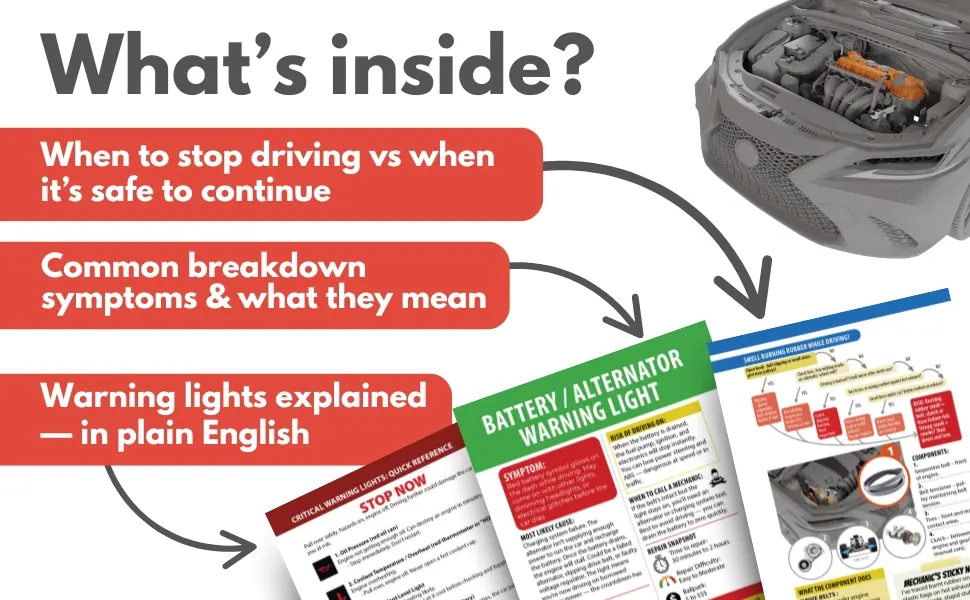
Visit our DIY Car Maintenance page and level up your car care skills — or keep the quick-reference version below in your glovebox.
Look inside on Amazon.com
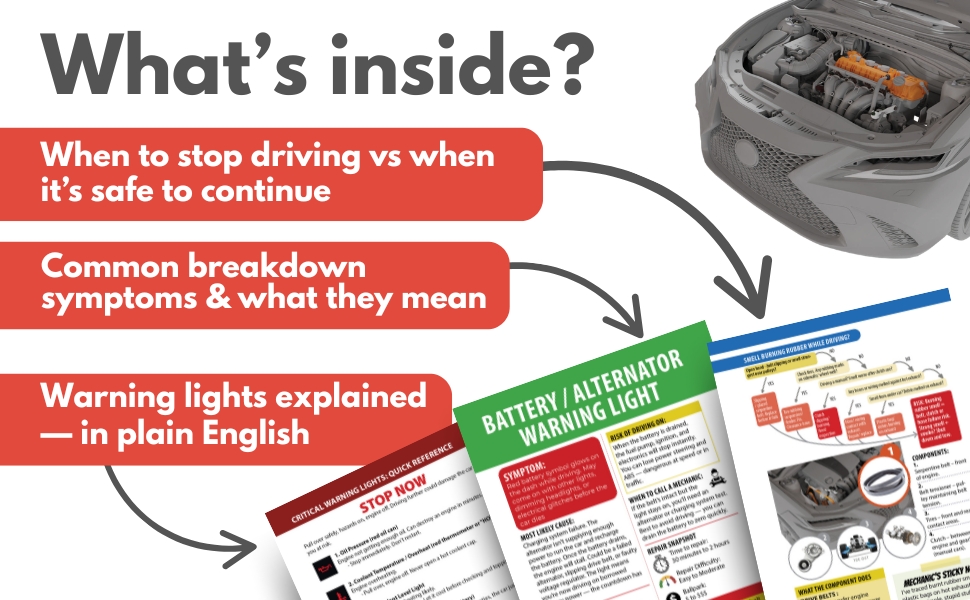
Look inside on Amazon.com
- About the Author
- Latest Posts


Meet Northcap, a seasoned mechanic and roadside assistance expert with over 20 years of hands-on experience. At Rustyautos.com, Northcap shares exclusive insights into what really breaks down in cars, offering practical tips and real-world advice to keep drivers informed and their cars on the road.