You’re cruising along, and then you hear it.
Tick… tick… tick…
Not loud. Not dramatic. Just enough to make you turn the radio down and listen.
Clicking noises aren’t random.
When you hear it, is the clue.
On roadside calls, that timing tells me where to look before I even open the hood.
Let’s break it down the way a mechanic actually thinks.
Clicking When Turning (Most Common)
This is the big one.
Most likely cause: Worn CV joint (outer)
If the clicking shows up when you turn the wheel — especially on full lock — you’re almost always looking at a CV joint. This applies only to Front Wheel Drive cars, which are most small and midsize models.
What it sounds like:
- Fast, rhythmic clicking
- Louder the tighter you turn
- Often worse when accelerating through the turn
Why it happens:
The CV joint lets the driveshaft flex while turning. Over time, the protective boot splits, grease escapes, dirt gets in… and the joint wears out.
Quick test (easy one):
- Find an empty car park
- Turn steering to full lock
- Roll forward slowly
Hear clicking? You’ve nailed it.
Can you keep driving?
Short term — yes.
Long term — no.
Ignore it long enough… and the clicking stops — because it’s now sitting behind you on the highway.
Clicking Over Bumps
Different scenario.
You’re driving straight, hit a rough patch… and click.
Most likely causes: Suspension components
Common culprits:
- Worn drop links (anti-roll bar links)
- Worn suspension bushes
- Loose brake caliper or hardware
What it sounds like:
- Light, sharp click
- Happens over bumps or rough roads
- Not tied to speed or steering
What’s going on:
Something that should be tight… isn’t.
Small amounts of play in suspension parts can create that sharp clicking noise when the car moves up and down.
Quick check:
- Push down on each corner of the car
- Listen for a click on rebound
Can you keep driving?
Usually yes, short term.
But leave it too long and it can wear other components.
Clicking That Speeds Up With the Car
Now this is where people start to worry — and rightly so.
If the clicking:
- Gets faster as you speed up
- Slows down as you slow down
You’re dealing with something rotating
Most likely causes:
- Stone stuck behind brake disc
- Bent brake backing plate
- Worn or damaged brake rotor
- Early-stage wheel bearing
What it sounds like:
- Consistent clicking tied to wheel speed
- Often noticeable at low speeds with windows down
Quick check:
- Look behind the wheel (torch helps)
- Check for debris around the brake shield
Can you keep driving?
- Stone/debris → no issue once removed
- Bearing/brake issue → needs attention soon
Clicking When Accelerating or Lifting Off
This one catches people out.
You take off — click
Lift off — click
That’s drivetrain movement.
Front-wheel drive:
- Inner CV joint wear
Rear-wheel drive:
- Worn U-joint (big one here)
What it sounds like:
- Single click or dull clunk
- Happens when load is applied or removed
- Not always constant
Rear-wheel drive? Worn U-joint in the driveshaft.
It’s not always a clean click either… more like a squeek, sort of like a dry door hinge.
Why it happens:
There’s play in the drivetrain. When torque loads or unloads, that slack gets taken up — and you hear it.
Quick DIY check (careful now):
- Handbrake on
- Vehicle secure
- Grab the driveshaft
- Twist it back and forth
Any play or knocking = suspect U-joint
Can you keep driving?
Not one to ignore.
U-joints can fail completely — and when they do, the car’s going nowhere.
Other Possible Causes (Less Common)
Keeping this tight — just the ones that actually show up.
- Loose brake pad hardware – Pads shifting slightly inside the caliper
- Debris in the wheel area – Small stones, road junk
- Differential fault – Damaged, loose internal component
- Heat-related expansion – Metal components tick as they expand/contract
Can You Keep Driving With a Clicking Noise?
Depends on the type — here’s the quick breakdown:
- Clicking when turning (CV joint)
Drive short term — plan repair soon - Clicking over bumps (suspension)
Usually safe short term - Clicking with speed (rotational)
Needs checking — could worsen - Clicking on acceleration (U-joint / drivetrain)
Don’t ignore — failure risk
Quick DIY Checks (Start Here)
Simple stuff first.
- Full lock test
→ Confirms CV joint issues - Drive slowly with windows down
→ Helps locate rotational clicks - Visual check behind wheels
→ Look for stones or debris - Bounce test
→ Helps identify suspension noise - Driveshaft play check (RWD)
→ Points to U-joint wear
Final Word
Clicking noises are one of those things people live with… until they can’t.
The trick is not to panic — just pay attention to when it happens.
That’s half the diagnosis done right there.
“Most of the time, it’s not the scary one.
But ignore it long enough… it’ll introduce itself properly.”
If in doubt, get it checked early.
It’s nearly always cheaper that way.

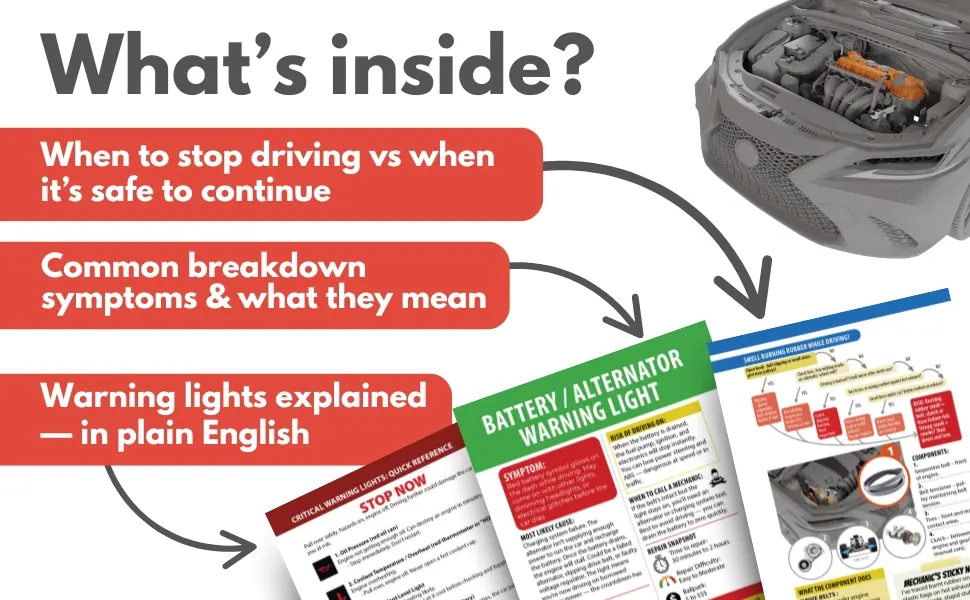
Visit our DIY Car Maintenance page and level up your car care skills — or keep the quick-reference version below in your glovebox.
Look inside on Amazon.com
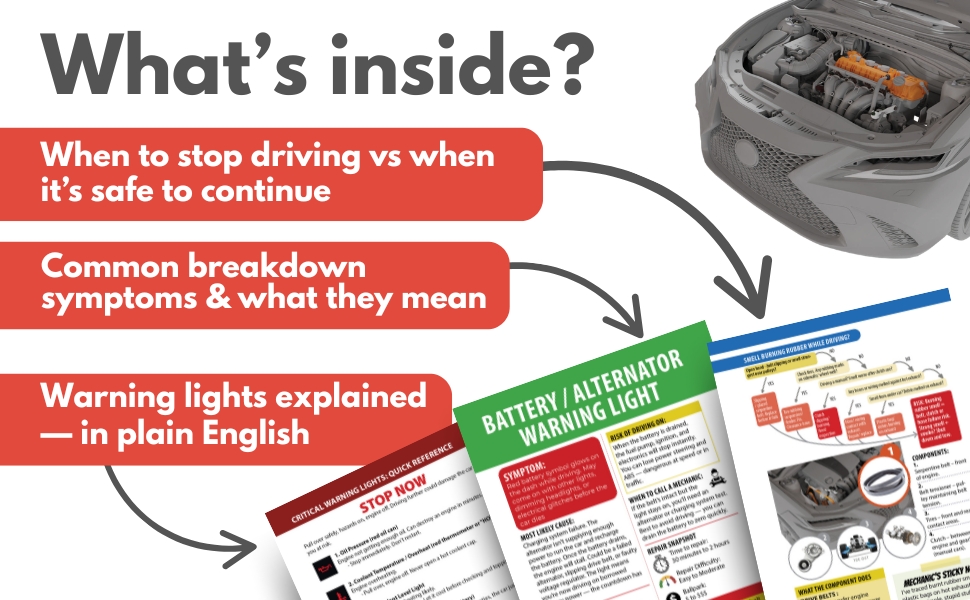
Look inside on Amazon.com
- About the Author
- Latest Posts


Meet Northcap, a seasoned mechanic and roadside assistance expert with over 20 years of hands-on experience. At Rustyautos.com, Northcap shares exclusive insights into what really breaks down in cars, offering practical tips and real-world advice to keep drivers informed and their cars on the road.