You top up the oil…
Start the engine…
And now the check engine light is on.
…..that’s not a coincidence.
This usually comes down to something simple that was disturbed during the top-up.
And yes, modern engines are sensitive to it.
First — What’s Changed?
Nothing else has been touched.
Just the oil system.
So think simple. Something is either overfilled, loose, or not sealed.
Most Common Causes (What I Check First)
Oil Overfilled
Too much oil is just as bad as too little.
What happens
The crankshaft starts whipping through excess oil
Oil gets aerated (full of bubbles)
Crankcase pressure increases
This can affect sensors and trigger fault codes.
What you’ll notice
Check engine light
Rough running in some cases
Possible oil leaks or smell
On some engines, it can even affect the PCV system and airflow readings.
Oil Filler Cap Loose or Missing
This is a big one.
If the cap isn’t fitted properly (the oil symbol should face you when closed), the engine is no longer sealed.
What happens
Unmetered air enters the system
The ECU sees a mismatch between expected and actual airflow
That throws off the air fuel ratio.
What you’ll notice
Check engine light shortly after startup
Possible rough idle
Hissing noise from the top of the engine
Modern engines rely on a sealed intake and crankcase system.
Dipstick Not Fully Seated
Same idea, just less obvious.
If the dipstick isn’t fully pushed in, it creates a small air leak.
What happens
Air enters the crankcase
PCV system gets upset
Air fuel balance shifts
Symptoms
Check engine light
Slight rough running
Oil mist around dipstick tube sometimes
PCV System Disturbed
While topping up oil, hoses or connections around the PCV system can get knocked.
What happens
Vacuum leak introduced
Incorrect crankcase ventilation
Symptoms
Check engine light
Rough idle
Possible whistling noise
Oil Spillage Onto Sensors
If oil is spilled during top-up, it can contaminate nearby components.
Possible issues
Oxygen sensor contamination
Electrical connector issues
Less common, but worth a look.
Quick Checks You Can Do
Check the oil level. Make sure it’s not overfilled.
Inspect the oil cap. Remove it and refit it properly.
Push the dipstick fully home.
Look around for any loose hoses near the intake or valve cover.
Clear the code if you can, then see if it returns.
Can You Drive It
If the engine is running normally, you’re usually safe short term.
But don’t ignore it.
If it’s overfilled or drawing in unmetered air, it can lead to further issues.
When to Call It
If everything is fitted correctly and the oil level is right but the light stays on, then it’s time to scan it.
At that point, you’re looking for specific fault codes to guide you.
FAQs
Can overfilling oil trigger a check engine light?
Yes. It can affect pressure and sensor readings.
Will a loose oil cap cause a fault code?
Yes. On some engines, it creates an air leak in a sealed system.
Can a dipstick cause a check engine light?
Yes. It’s possible, it can act as a vacuum leak.
Is this a serious issue?
No, but it should be corrected quickly.
Should I clear the code after fixing it?
No. Typically, the code will turn itself off after 3 drive cycles once the issue is fixed.

Visit our DIY Car Maintenance page and level up your car care skills — or keep the quick-reference version below in your glovebox.
Look inside on Amazon.com
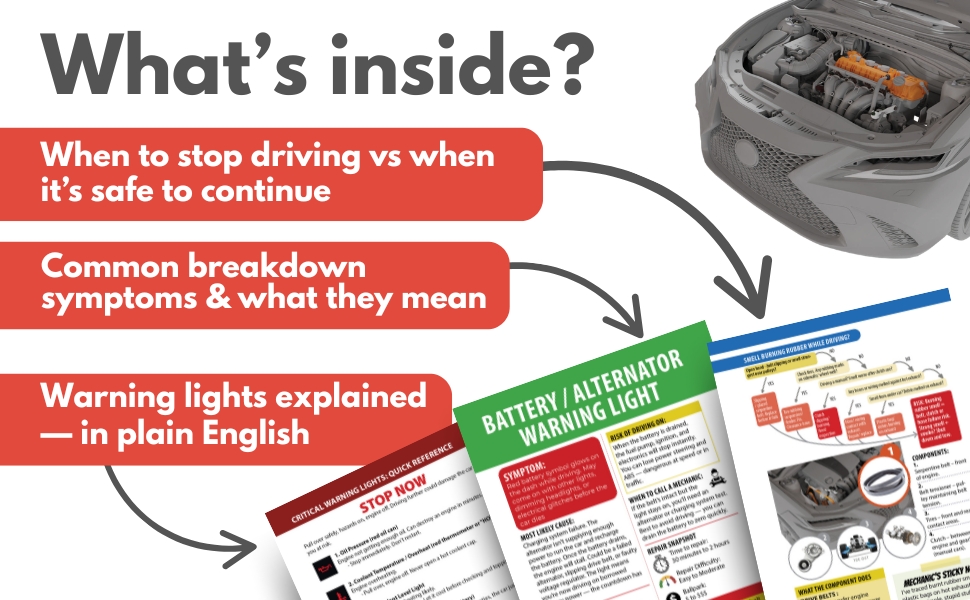
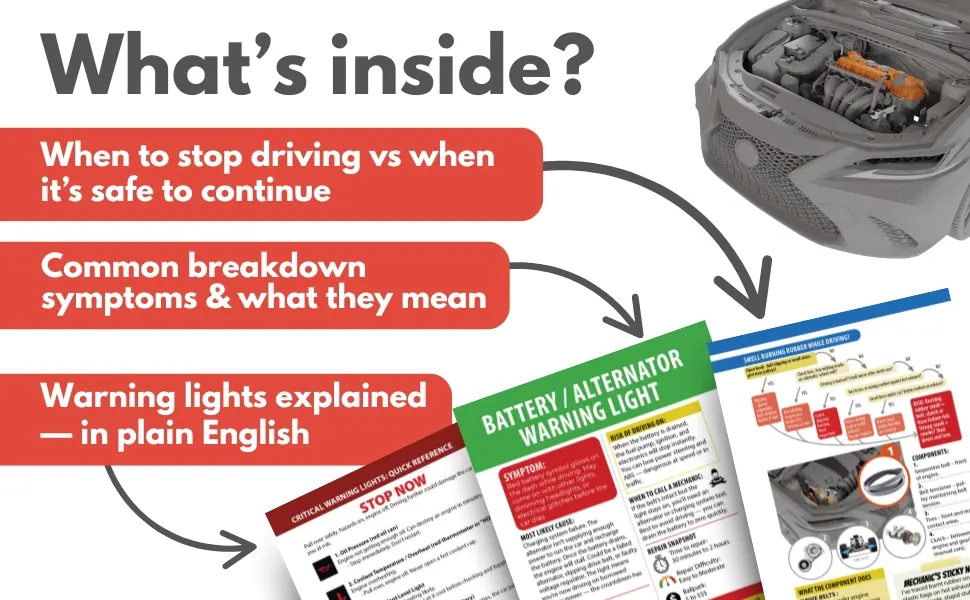
Look inside on Amazon.com
- About the Author
- Latest Posts

Meet Northcap, a seasoned mechanic and roadside assistance expert with over 20 years of hands-on experience. At Rustyautos.com, Northcap shares exclusive insights into what really breaks down in cars, offering practical tips and real-world advice to keep drivers informed and their cars on the road.