You put your foot down…
And the car just doesn’t respond like it used to.
No warning. No bang.
Just… weaker.
That’s loss of power.
And on roadside calls, it usually means the engine can’t breathe, fuel, or boost properly anymore.
First — What Does the Power Loss Feel Like?
This is key.
Drivers describe this problem differently, but it always falls into one of three patterns:
1. Gradual Power Loss (Sneaks Up on You)
This is the quiet one.
- Car feels slower over time
- Hills become a struggle
- You’re pressing the pedal more than usual
You’ve adapted to it without realising
Common causes:
- Blocked air filter
- Dirty MAF sensor
- Carbon build-up (intake/throttle)
- Early fuel restriction
2. Sudden Loss of Power (Something Changed)
This is more obvious.
- Car was fine yesterday
- Now it feels flat
- Won’t accelerate properly
Something has failed or triggered protection mode
Common causes:
- Boost leak
- Sensor failure
- Fuel delivery issue
- Limp mode (big one — more on that next)
3. Power Loss Under Load Only
This shows up when you need power most.
- Fine cruising
- Falls flat on hills or overtaking
- Feels like it’s holding back
That’s usually a supply problem
Common causes:
- Turbo / boost issue
- Fuel starvation
- Ignition breakdown under load
1. Limp Mode (The Big One Drivers Don’t Know About)
This is huge.
The car is protecting itself.
When the ECU sees something wrong, it limits power to prevent damage.
That’s limp mode.
What it feels like:
- Car won’t accelerate properly
- Feels restricted
- Stuck at lower speeds
Key sign:
Check engine light is on
Causes of limp mode:
- Boost problems
- Sensor faults
- DPF blockage (Diesel)
- Fuel pressure issues
Roadside reality:
Drivers think the engine is dying.
It’s actually trying to save itself.
2. Turbo / Boost Problems
This is one of the most common real causes.
No boost = no power.
Simple as that.
Causes:
- Split boost hose
- Loose intercooler pipe
- Faulty actuator
- Sticking vanes (diesel turbos)
Symptoms:
- Flat acceleration
- No “kick” from turbo
- Worse under load
Tip:
Listen for hissing under acceleration — classic boost leak sign.
3. Blocked Catalytic Converter (Gas Engines)
If the exhaust gases can’t get out…
The engine can’t breathe.
What happens:
- Exhaust backs up
- Engine chokes
- Power drops
Symptoms:
- Sluggish acceleration
- Poor top speed
- Engine feels restricted
- No or little gases from tailpipe
4. DPF Blockage (Diesel)
Diesel version of the same problem.
DPF traps soot.
If it clogs up?
Exhaust flow is restricted
Engine loses power or stalls
Usually triggers limp mode
Signs:
- Check engine light on
- Reduced power
- Little or no gases from the tailpipe
Roadside pattern:
Short trips = DPF problems. Every time.
5. Fuel Starvation (Pump / Filter)
Engines need more fuel under load.
If supply can’t keep up:
Power drops.
Causes:
- Weak fuel pump
- Blocked fuel filter
- Pressure regulator issue
Symptoms:
- Fine at low speed
- Struggles when pushed
- Hesitation + power loss combo
6. MAF Sensor (Airflow Misreading)
This one causes subtle but noticeable loss of power.
If the MAF under-reads airflow:
ECU reduces fuel
Engine feels weak
Symptoms:
- Sluggish response
- Poor acceleration
- No obvious fault sometimes
7. O2 Sensor (Fuel Trim Problems)
O2 sensors control fuel correction.
If they send bad data:
Engine runs too lean or rich
Power drops
Symptoms:
- Poor fuel economy
- Sluggish performance
- Engine light often on
8. Ignition Problems (Gas Engines)
Weak spark = poor combustion.
Especially under load.
Causes:
- Worn spark plugs
- Weak ignition coils
Symptoms:
- Loss of power under acceleration
- Misfire feel
- Jerking or hesitation
9. Transmission or Brake Issues (Feels Like Power Loss)
Worth flagging.
Sometimes the engine is fine.
But the transmission/gearbox or brakes could be to blame.
A slipping auto transmission or worn manual gearbox clutch means power isn’t getting to the wheels. A sticking parking brake or brake calliper will also cause a sluggish feeling in your car; that said, a sticking brake usually comes with a burning smell and dramatic smoke.
What Mechanics Check First
On roadside calls, we go straight to:
- Scan tool (fault codes / limp mode clues)
- Boost system (hoses, pipes, leaks)
- Airflow readings (MAF data)
- Fuel pressure behaviour
- Exhaust restriction (cat / DPF signs)
- Brakes and transmissions
Start where failures are most common.
Can You Drive With Power Loss?
Depends on the cause.
- Limp mode → Yes, but limited
- Boost leak → Risk of worsening
- Fuel issue → Risk of breakdown
- Blocked cat/DPF → Can get severe fast
If power is dropping, something is already failing
Don’t wait for it to fully quit.
Quick DIY Checks
Before calling for help:
- Is the check engine light on?
- Any hissing noises (boost leak)?
- Worse under load or all the time?
- Cat/DPF → Check gases at tailpipe (Cat/DPF blocked)
These clues narrow it down fast.

Visit our DIY Car Maintenance page and level up your car care skills — or keep the quick-reference version below in your glovebox.
Look inside on Amazon.com
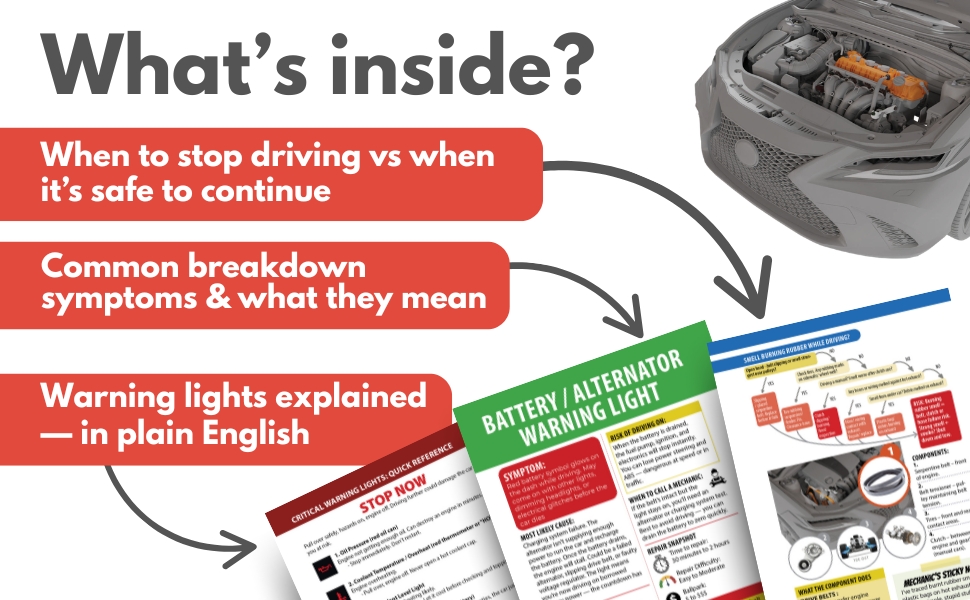
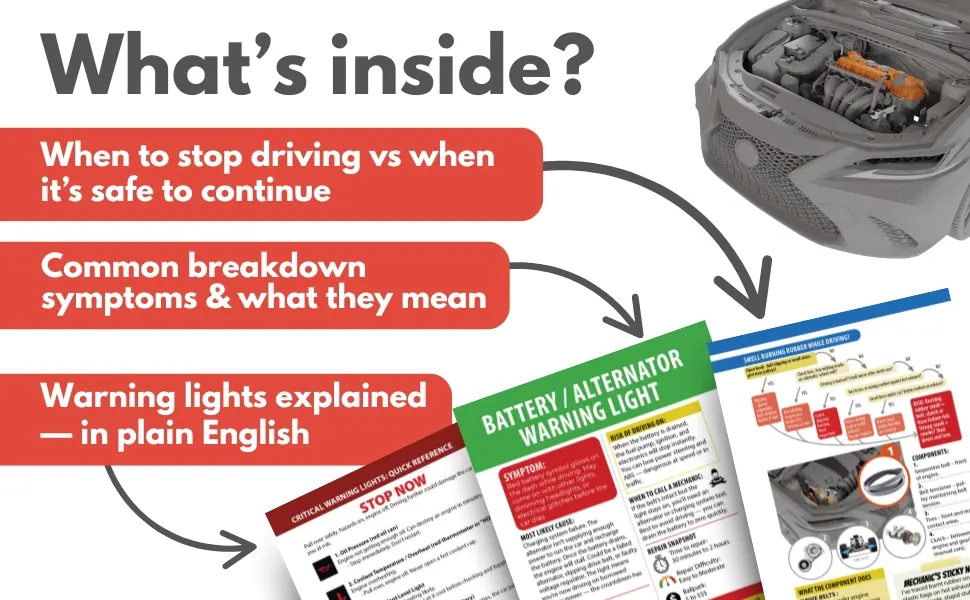
Look inside on Amazon.com
- About the Author
- Latest Posts


Meet Northcap, a seasoned mechanic and roadside assistance expert with over 20 years of hands-on experience. At Rustyautos.com, Northcap shares exclusive insights into what really breaks down in cars, offering practical tips and real-world advice to keep drivers informed and their cars on the road.