You press the pedal, expecting a firm bite — instead, it sinks like a sponge in a sink. That’s not “quirky.” That’s dangerous.
Why It Happens
Brakes rely on solid hydraulic pressure. If the pedal feels mushy, air or fluid loss is usually the culprit. Other suspects: worn components, overheated fluid, or flexing hoses. Soft brakes = a system that’s not fully clamping when you need it most.
Most Common Culprits
- Air in the brake lines — squishy pedal, poor stopping power.
- Low or leaking brake fluid — master cylinder, lines, or calipers weeping.
- Worn brake pads or shoes — extra travel before they bite.
- Bad brake hoses — balloon under pressure instead of holding firm.
- Overheated/old brake fluid — boils, loses its bite.
What You Can Check
- Check brake fluid level — if it’s low, that’s a red flag for leaks.
- Look for puddles near wheels or under the car.
- Pump the pedal — firmer after a few pumps = air in the lines.
- Note if the warning light is on.
What a Mechanic Will Do
- Pressure test the system for leaks.
- Inspect pads, rotors, and hoses.
- Bleed the system to remove air.
- Check master cylinder and ABS module.
Rough Damage to Your Wallet
- Brake fluid flush/bleed: $80–$150.
- Brake pads/rotors: $250–$600 per axle.
- Brake hose replacement: $150–$300 each.
- Master cylinder: $300–$600.
- ABS module: $800–$1,500+.
When to Park It
Soft brakes aren’t a “drive to the shop tomorrow” thing. If your pedal sinks or the car barely stops, don’t risk it. Get it towed. Soft brakes can turn into no brakes in one intersection.

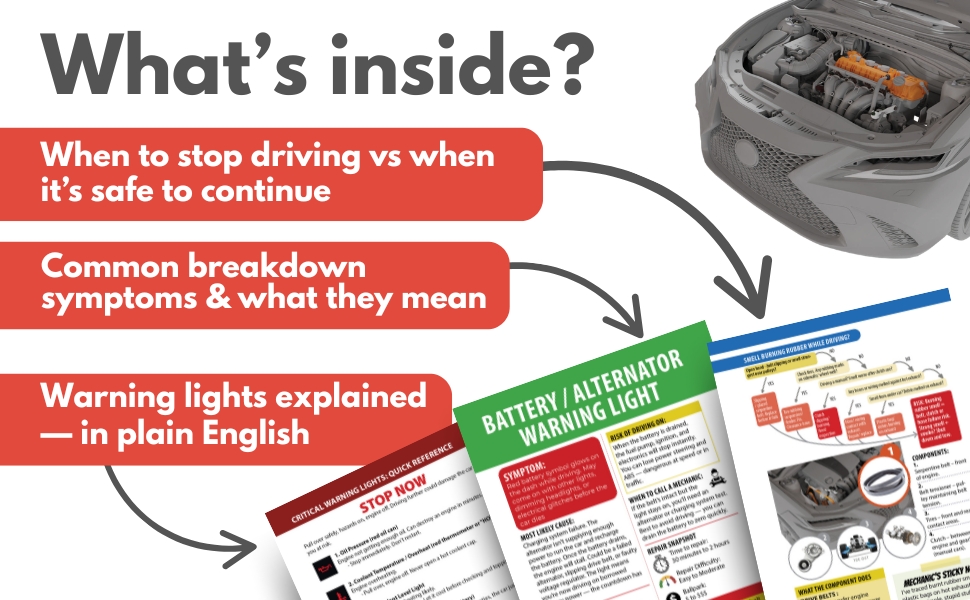
Visit our DIY Car Maintenance page and level up your car care skills — or keep the quick-reference version below in your glovebox.
Look inside on Amazon.com
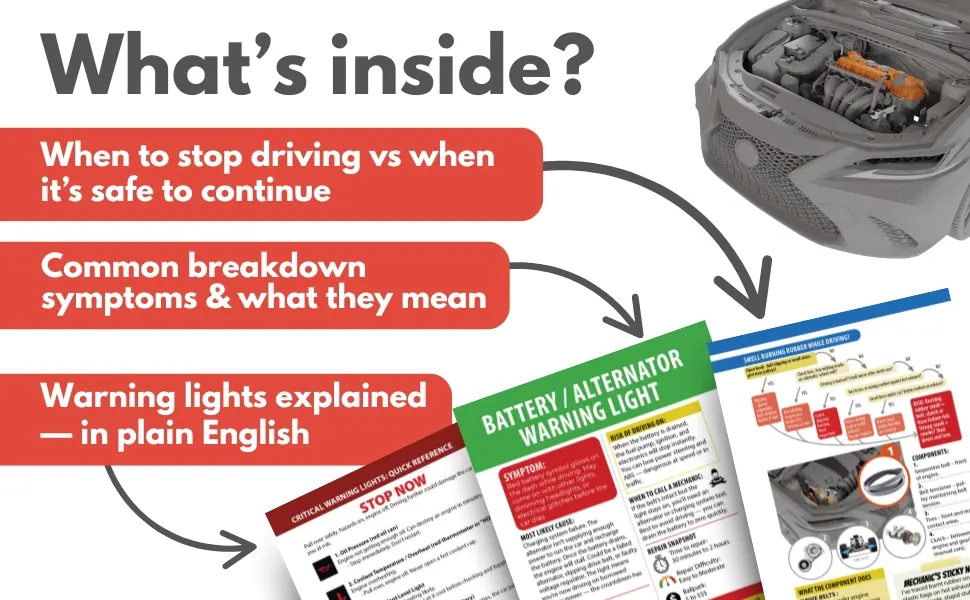
Look inside on Amazon.com
- About the Author
- Latest Posts

Meet Northcap, a seasoned mechanic and roadside assistance expert with over 20 years of hands-on experience. At Rustyautos.com, Northcap shares exclusive insights into what really breaks down in cars, offering practical tips and real-world advice to keep drivers informed and their cars on the road.