Keep swapping fuses only to watch them pop again? That’s not bad luck — that’s your car screaming about a short circuit.
Why It Happens
Fuses are the bouncers of your car’s wiring. One goes pop, it’s doing its job — protecting the system. But if the same fuse keeps blowing, there’s something ugly behind the curtain: a shorted wire, a seized motor, or a component drawing way too much juice.
Most Common Culprits
- Chafed or pinched wiring — bare wire grounding out.
- Faulty accessory (blower motor, window motor, wiper motor).
- Aftermarket gear — dodgy installs draw too much power.
- Corroded connections — create resistance and heat.
- Wrong fuse rating installed — easy mistake, big headaches.
What You Can Check
- Check the fuse rating — make sure it’s the correct size from the panel guide.
- Look for aftermarket add-ons spliced in (stereo, lights, chargers).
- Sniff around — burnt plastic smell = electrical fault nearby.
- Wiggle wiring looms where doors or tailgates flex.
- If you’re stuck, leave the fuse out until diagnosed — don’t keep feeding the fire.
What a Mechanic Will Do
- Trace circuits with a wiring diagram.
- Use test lights and ammeters to find shorts.
- Inspect components (motors, relays, modules) for overload.
- Repair or replace damaged wiring.
Rough Damage to Your Wallet
- Fuse: $5–$15 (but the symptom’s the pricey bit).
- Minor wiring repair: $100–$300.
- Component replacement: $200–$600.
- Major harness repair: $800–$1,500+.
When to Park It
One blown fuse? Replace it. Keeps popping? Stop. Driving with repeated shorts can cook wiring or even start a fire. Get it checked before you toast the loom.

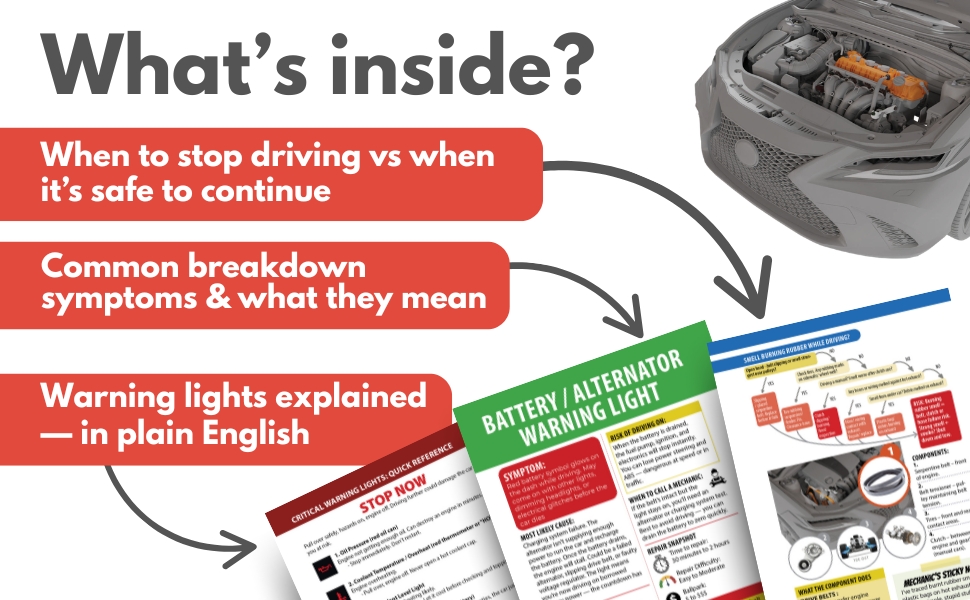
Visit our DIY Car Maintenance page and level up your car care skills — or keep the quick-reference version below in your glovebox.
Look inside on Amazon.com
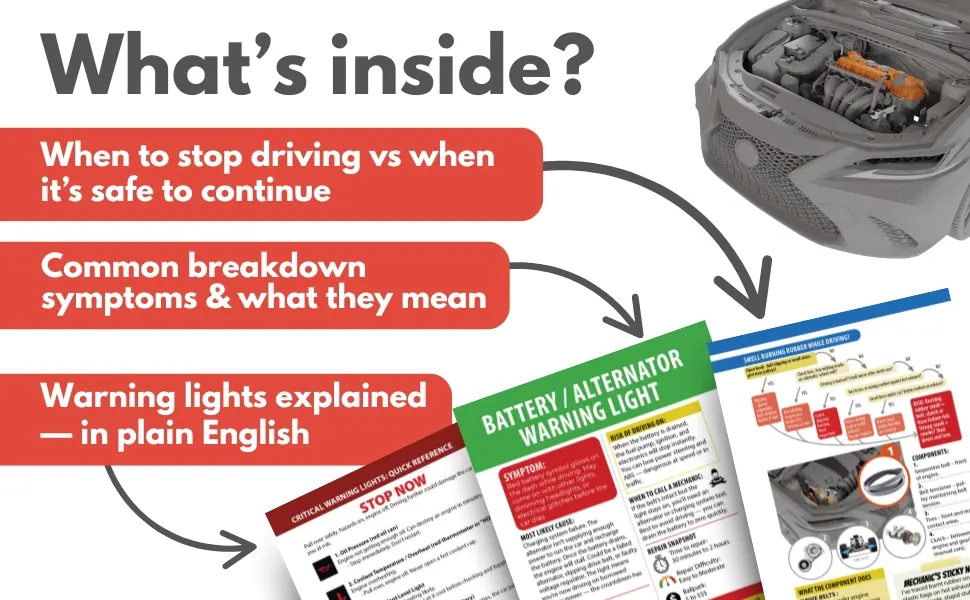
Look inside on Amazon.com
- About the Author
- Latest Posts


Meet Northcap, a seasoned mechanic and roadside assistance expert with over 20 years of hands-on experience. At Rustyautos.com, Northcap shares exclusive insights into what really breaks down in cars, offering practical tips and real-world advice to keep drivers informed and their cars on the road.