See black clouds in the rearview? That’s not your car “warming up.” That’s fuel burning where it shouldn’t — and it’s costing you power and cash.
Why It Happens
Black smoke = too much fuel, not enough air. The mix is way off. Could be a clogged air filter, lazy sensors, leaky injectors, or a turbo issue. Instead of clean combustion, you’re just dumping raw fuel out the pipe.
Most Common Culprits
- Dirty or clogged air filter – starving the engine of air.
- Bad fuel injectors – stuck open, spraying too much.
- Faulty sensors (MAF, MAP, O2) – ECU dumps fuel.
- Turbo problems (on turbo cars) – no boost, fuel can’t burn right.
- EGR valve stuck – messes with air/fuel balance.
What You Can Check
- Pull the air filter – if it looks like a fireplace log, replace it.
- Note if the Check Engine Light is on — scan it.
- Watch when it smokes — only under throttle? Only at idle?
- Sniff it — black smoke smells sooty, not oily (blue) or sweet (coolant).
What a Mechanic Will Do
- Scan live data for air/fuel ratio and sensor faults.
- Check fuel injector operation.
- Inspect turbo system for leaks/failure.
- Verify exhaust and EGR function.
Rough Damage to Your Wallet
- Air filter: $30–$70.
- Fuel injector service/replacement: $300–$800.
- Sensors (MAF, O2, MAP): $150–$400 each.
- Turbo repair/replacement: $800–$2,000+.
- EGR valve: $300–$600.
When to Park It
A quick puff on hard throttle? Maybe not urgent. Constant soot clouds? Park it. Running rich kills your catalytic converter, trashes fuel economy, and can leave you limping home.

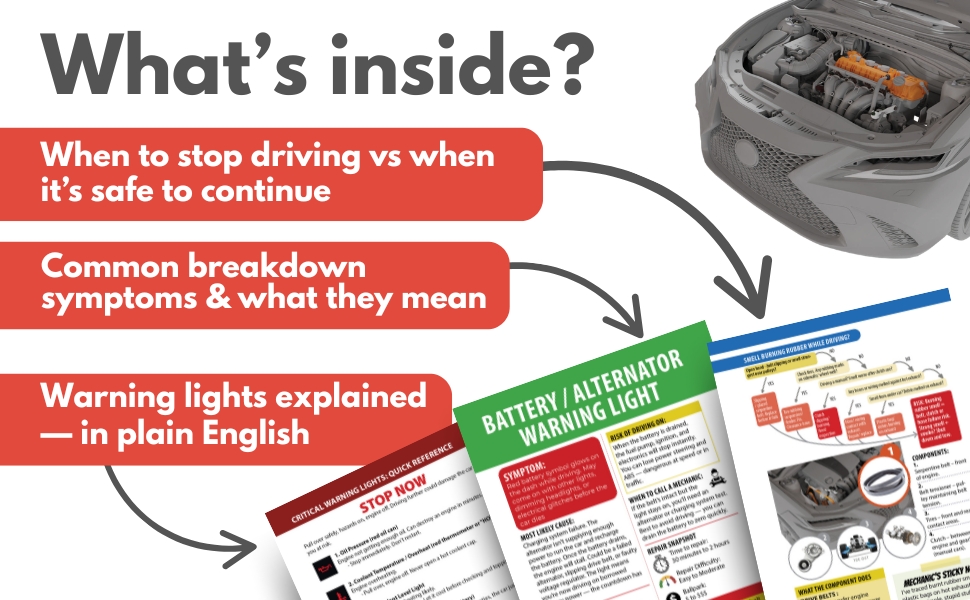
Visit our DIY Car Maintenance page and level up your car care skills — or keep the quick-reference version below in your glovebox.
Look inside on Amazon.com


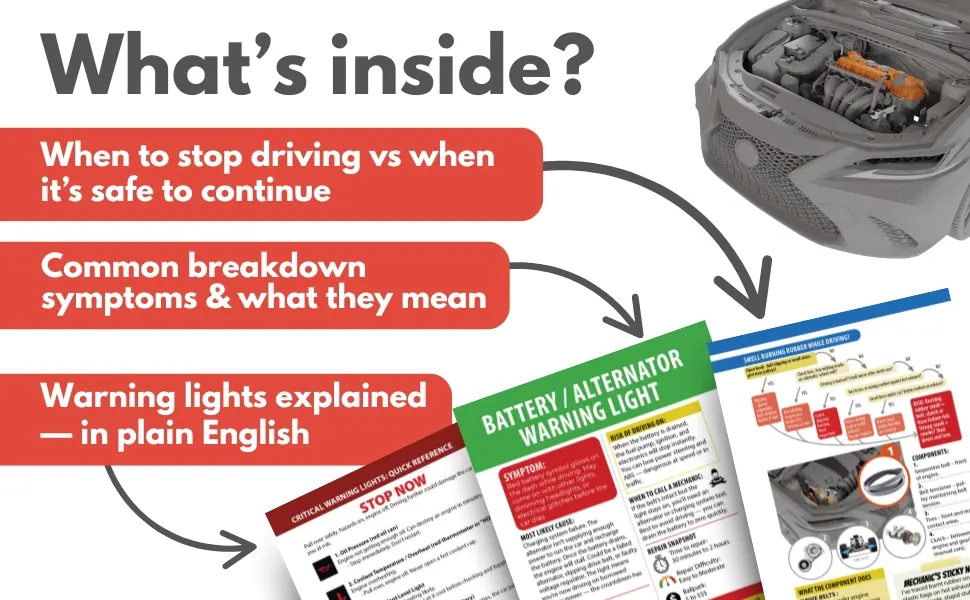
Look inside on Amazon.com
- About the Author
- Latest Posts


Meet Northcap, a seasoned mechanic and roadside assistance expert with over 20 years of hands-on experience. At Rustyautos.com, Northcap shares exclusive insights into what really breaks down in cars, offering practical tips and real-world advice to keep drivers informed and their cars on the road.