You pull out into traffic…
Foot down…
And nothing happens.
Then suddenly—
It wakes up and goes.
That delay?
That’s hesitation.
And on roadside calls, it usually comes down to one thing:
The engine isn’t getting what it needs at the moment you ask for it.
First — What Does the Hesitation Feel Like?
Before diving into parts, pay attention to the feel.
It tells you a lot.
- Delay, then surge → Air or fuel issue
- Jerking / stumbling → Ignition misfire
- Flat, no power under load → Turbo / boost problem
- Only when cold → Sensor or fueling issue
Simple clues. Big time-savers.
1. Turbo / Boost Problems (Top of the List)
This is where I’d start.
Especially if the hesitation shows up when:
- Accelerating hard
- Climbing hills
- Overtaking
Turbo engines rely on boost pressure.
If that boost isn’t there when you hit the pedal…
You get hesitation.
Common causes:
- Split boost hose
- Loose intercooler pipe
- Sticking turbo actuator
- Faulty boost control valve
What it feels like:
- Dead spot when accelerating
- Then sudden power kick
- Sometimes a whooshing sound
Roadside reality:
Boost leaks are everywhere.
Cheap hoses, age, heat… they all fail eventually.
2. Dirty MAF Sensor (Mass Airflow Sensor)
This one is very common.
The MAF tells the engine how much air is coming in.
If it’s dirty?
The engine guesses wrong
Fueling is off
You get hesitation
Symptoms:
- Flat response when you press the pedal
- Slight surge once it corrects
- Worse under acceleration
Trade tip:
Unplugging the MAF temporarily (on some cars) can improve things.
If it runs better unplugged…
You’ve likely found your problem. (Note disconnecting will introduce an PCM fault code for the MAF sensor)
3. Throttle Body Carbon Build-Up
Modern engines use electronic throttle control.
If the throttle plate is dirty:
- Airflow is restricted
- Response is delayed
- Engine struggles to react quickly
What you’ll notice:
- Hesitation off the line
- Uneven acceleration
- Sometimes high or hunting idle
Real-world pattern:
Very common on cars doing short trips.
4. Weak Fuel Delivery (Pump / Filter)
Fuel demand jumps when you accelerate.
If the system can’t keep up?
Hesitation.
Causes:
- Weak fuel pump
- Blocked fuel filter
- Pressure regulator issues
Symptoms:
- Hesitation under load
- Worse at higher speeds
- May feel like it’s “starving”
Quick check:
If it pulls fine gently but struggles when pushed…
Fuel delivery moves up the list fast.
5. Ignition Misfire Under Load (Plugs / Coils)
This is a big one.
Engines need a stronger spark under load.
If ignition is weak:
It misfires
Feels like hesitation or jerking
Symptoms:
- Stuttering acceleration
- Jerking under load
- Sometimes a flashing engine light
6. Accelerator Pedal Sensor (Drive-by-Wire Lag)
No cable anymore.
Your pedal sends a signal to the ECU.
If that signal is delayed or inconsistent?
The engine hesitates before responding
Symptoms:
- Delay when pressing pedal
- Feels disconnected
- No real misfire — just lag
Not common, but does happen.
7. EGR Valve Issues (Especially Diesel)
EGR systems recirculate exhaust gases.
If the valve sticks open:
Too much exhaust gas
Not enough oxygen
Poor combustion
Result:
- Hesitation
- Flat acceleration
- Sometimes smoke
Very common on diesel engines doing short runs.
8. Transmission Hesitation (Feels Like Engine)
Worth mentioning.
Sometimes the engine is fine.
But the automatic transmission hesitates to respond.
Symptoms:
- Delay, then a clunk or surge
- Happens during gear changes
- Feels like power loss
Easy to misdiagnose if you’re not careful.
What Mechanics Check First
On roadside calls, we don’t chase ghosts.
We go in this order:
- Scan for fault codes
- Check boost system (hoses, leaks)
- MAF sensor readings
- Fuel pressure behaviour
- Ignition components
- Throttle body condition
Start with the most common. Always.
Can You Drive With It?
Short answer — yes… for now.
But here’s the problem:
Hesitation often means something is already failing
Ignore it and you risk:
- Breakdown under load
- Complete loss of power
- Damage to other components
Especially with turbo or fuel issues.
Quick DIY Checks
You can narrow this down quickly:
- Listen for hissing (boost leak)
- Check for warning lights
- Try gentle vs hard acceleration (does it change?)
- Note if it’s worse cold or warm
- Check service history (plugs, filters)
These clues matter.

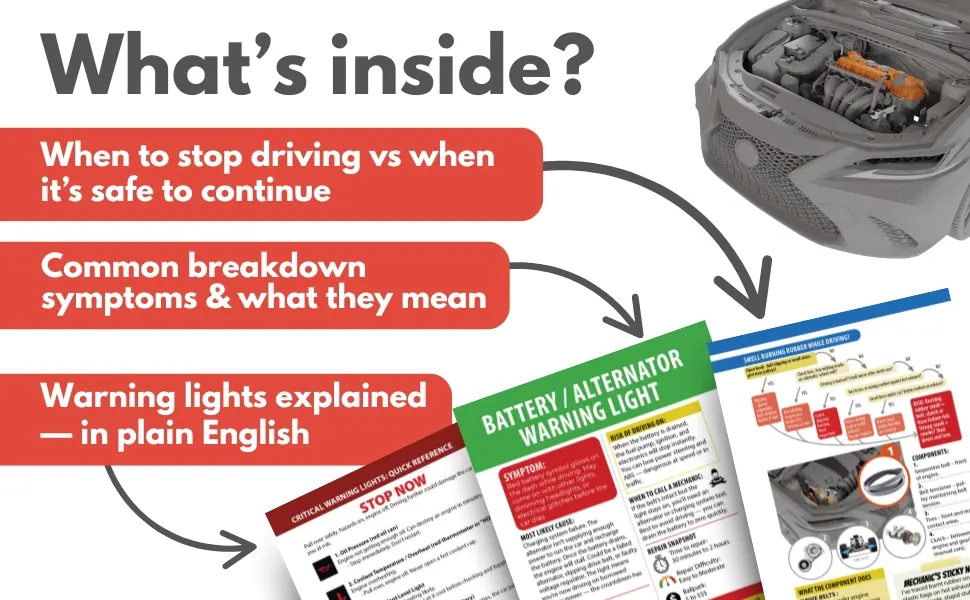
Visit our DIY Car Maintenance page and level up your car care skills — or keep the quick-reference version below in your glovebox.
Look inside on Amazon.com
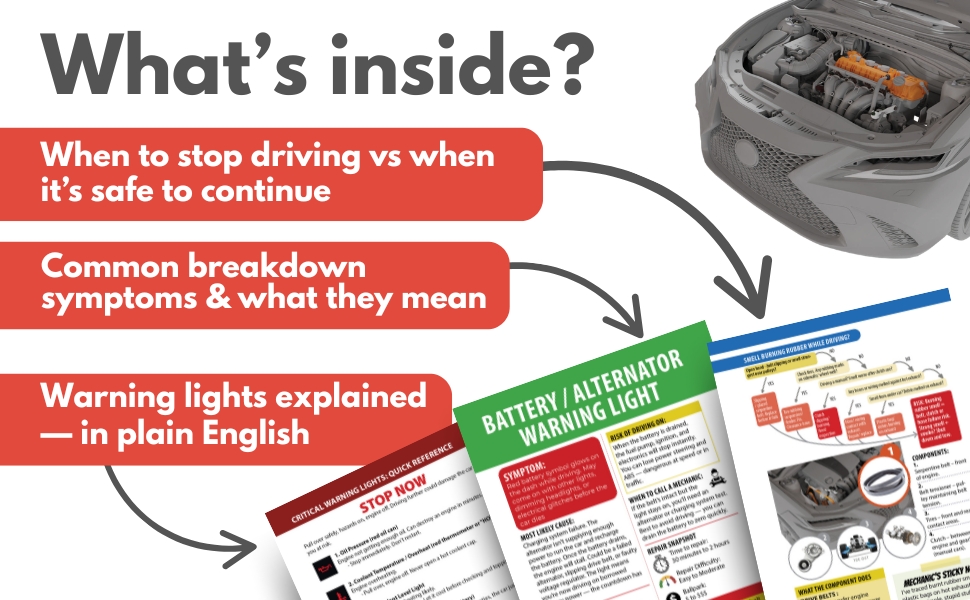
Look inside on Amazon.com
- About the Author
- Latest Posts


Meet Northcap, a seasoned mechanic and roadside assistance expert with over 20 years of hands-on experience. At Rustyautos.com, Northcap shares exclusive insights into what really breaks down in cars, offering practical tips and real-world advice to keep drivers informed and their cars on the road.