You turn the AC on.
The fan is blowing.
But the air isn’t cold.
The system can’t remove heat.
That’s all air conditioning is doing. Taking heat from inside the cabin and dumping it outside. If any part of that process fails, you get warm air.
First What Does It Actually Feel Like
Drivers describe this problem in a few different ways, but they usually fall into three patterns.
Air is blowing but not cold
This is the most common one. The system is running, but the air feels like outside temperature or only slightly cool. It often gets worse sitting in traffic.
From experience, this usually points to low refrigerant or weak system performance.
Cold at first then turns warm
You get cold air for a minute, then it fades away.
That usually means the system is struggling to maintain pressure. It can be low gas, a failing compressor, or even a sensor cutting the system in and out.
Not cold at idle but better when driving
Sitting at lights, it’s warm. Get moving, and it cools down again.
That nearly always points to an airflow issue at the front of the car. No airflow means the system can’t dump heat.
How the System Works
The AC system is a loop filled with refrigerant. The compressor squeezes it, which makes it hot. That hot refrigerant goes to the condenser at the front of the car, where it dumps heat into the air.
Then it moves inside the cabin to the evaporator, where it absorbs heat from the air blowing through your vents. That’s the cold air you feel.
If the system can’t move heat out of the car, it can’t give you cold air.
Simple as that.
Most Common Causes I See
Low Refrigerant From a Leak
This is the big one.
If I had to bet without opening the bonnet, this is where I’d start.
AC doesn’t use refrigerant. It doesn’t burn it. So if it’s low, it has leaked out somewhere.
What you’ll notice is a gradual loss of cooling over weeks or months. Then one day it’s just not cold anymore.
Common leak points include pipe joints, the condenser at the front, and compressor seals.
No refrigerant means no cooling effect. The system might still run, but it can’t do its job.
Compressor Not Engaging
The compressor is the heart of the system.
When you switch on the AC, you should hear or feel a small click as it engages. The engine may even dip slightly in revs for a moment.
If none of that happens, the compressor may not be switching on.
That could be down to a failed clutch, internal damage, or the system being disabled due to low pressure or an electrical fault, or maybe an engine fault. When a fault is present, the AC system is disabled.
No compression means the refrigerant never circulates properly. No circulation means no cold air.
Cooling Fan Not Working
This one is very common and often missed.
When the car is moving, air flows naturally through the front of the car. When you are stopped, the cooling fan takes over.
If that fan isn’t running, the condenser can’t get rid of heat.
You’ll usually notice the AC works while driving but turns warm when sitting still.
Blocked or Damaged Condenser
The condenser sits right at the front of the car. It takes all the abuse from the road.
Over time it gets clogged with dirt, leaves, and bugs. The fins can also get bent from stones.
When that happens, airflow is reduced. Less airflow means less heat removal.
The system might still work, but it struggles, especially in hot conditions or traffic.
A badly damaged condenser can also leak, which brings you back to the low refrigerant problem.
Electrical Faults
Modern AC systems are full of sensors and controls.
If something doesn’t look right, the system shuts itself down to prevent damage.
This could be a blown fuse, faulty relay, bad pressure sensor, or wiring issue.
From the driver’s seat, it just looks like the AC isn’t working.
Blend Door Stuck Inside the Dash
The AC system could be working perfectly, but the air is being directed through the heater instead of the evaporator.
That’s controlled by a blend door inside the dash.
If it sticks or the actuator fails, you get warm air no matter what you set on the controls.
Sometimes you’ll hear a clicking noise behind the dash. Other times, nothing at all.
Quick Checks You Can Do Yourself
Simple stuff first.
Start the engine and turn the AC on. Listen for a click from the compressor. Watch for a slight change in engine note. If nothing happens, that’s a strong clue.
Check the cooling fan. With the AC on, it should be running. If it’s not, that’s likely your issue.
Take a look at the front of the car. The condenser should be clear of debris and not badly damaged. A gentle clean can improve performance.
If you’re comfortable under the bonnet, feel the AC pipes carefully. One should feel cold, the other warm. If both feel the same, the system isn’t doing much.
These checks won’t fix the problem, but they will point you in the right direction.
Can You Still Drive With It
Yes. This won’t leave you stranded. However, you should know that some fully electric cars use the AC to cool the batteries, so for fully electric cars, no AC is a major issue.
But it’s not something to ignore forever.
Driving without AC in heat is uncomfortable. Opening windows increases drag and noise. More importantly, if the system has a leak, moisture can get in and cause internal damage over time.
Fixing it early is usually cheaper than leaving it.
When You Need a Professional
Some parts of the AC system are not DIY friendly.
Handling refrigerant properly takes the right equipment. Finding leaks usually involves UV dye or pressure testing. You can top it up with a DIY kit, but that’s only part of the job. A proper service pulls the system into a vacuum – adds PAG oil to lubricate the compressor and helps draw in the refrigerant….which requires specialist tools. Compressor replacement and electrical diagnostics can also get technical very quickly.
Guessing here can get spendy fast.
If you’re not sure, it’s better to get it checked properly.
Pro Tip From the Roadside
Run your AC regularly.
Even in colder months.
It keeps the seals lubricated and prevents them from drying out and leaking.
I see plenty of systems fail simply because they haven’t been used.
Quick FAQ
Why did my AC suddenly stop working?
Likely causes include compressor failure, an electrical fault, or a sudden refrigerant leak.
Does AC gas run out over time?
No. If it’s low, there is a leak somewhere in the system.
Why is it cold when driving but not at idle?
This usually points to a cooling fan or airflow problem at the front of the car.
Can I recharge the AC myself?
You can, but without fixing the leak it’s only a temporary solution.
Is it expensive to fix?
It depends on the fault. A simple recharge is relatively cheap. Leak repairs are moderate. A compressor replacement can be expensive.

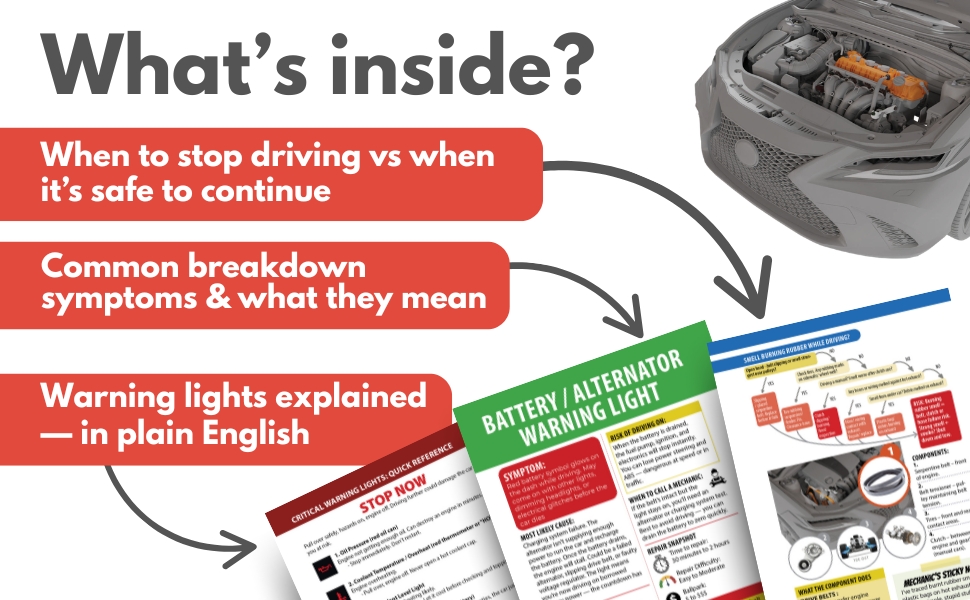
Visit our DIY Car Maintenance page and level up your car care skills — or keep the quick-reference version below in your glovebox.
Look inside on Amazon.com


Look inside on Amazon.com
- About the Author
- Latest Posts


Meet Northcap, a seasoned mechanic and roadside assistance expert with over 20 years of hands-on experience. At Rustyautos.com, Northcap shares exclusive insights into what really breaks down in cars, offering practical tips and real-world advice to keep drivers informed and their cars on the road.