That amber “ABS” light staring back at you? It’s your car’s way of saying: “I’ve turned off the anti-lock system – you’re on your own in a skid.”
Brakes still work fine, but your safety backup just clocked out.
Why It Happens
The Anti-lock Braking System (ABS) constantly checks itself – sensors, wiring, and the control module.
If one wheel speed sensor stops reporting or the module sees a mismatch, the system shuts down and lights up the dash.
You’ll still have normal braking, just no anti-lock protection if the wheels start to slide.
Most Common Causes
- Failed wheel speed sensor – the number one culprit.
- Damaged or corroded sensor wiring near the hub.
- Cracked or dirty tone ring (reluctor) – can’t read wheel speed cleanly.
- Low brake fluid triggering a system fault.
- Blown ABS fuse or relay.
- ABS module or pump fault (rare, but spendy).
What You Can Check
- Pop the hood – check brake fluid level.
- Inspect around each wheel hub for damaged or unplugged sensor wiring.
- If the light appeared after splashing through water or mud, dirt buildup on the tone ring is likely.
- Clean sensors with brake cleaner and soft brush – no wire wheels or pressure washers.
- Still on? Time to scan for codes.
What a Mechanic Will Check
- Scan the ABS system for stored fault codes (points to the exact wheel or circuit).
- Check each wheel speed sensor signal live on a scope.
- Inspect tone rings and wiring for cracks, corrosion, or open circuits.
- Test power, ground, and CAN communication at the ABS module.
- If all sensors check out – suspect pump or internal module failure.
Ballpark Repair Costs
- Clean or repair sensor wiring: $100–$200
- Replace wheel speed sensor: $150–$300 each
- Tone ring or hub replacement: $250–$400
- ABS control module: $700–$1,200
- ABS pump: $900–$1,500
When to Call It Quits
Driving with the ABS light on won’t leave you stranded, but it removes your car’s safety net in a panic stop.
On dry roads, you might not notice. On slick ones – that light could be the difference between a near miss and a tow truck. Get it checked, get it fixed.
YOUR CAR JUST SAID “UH-OH.”
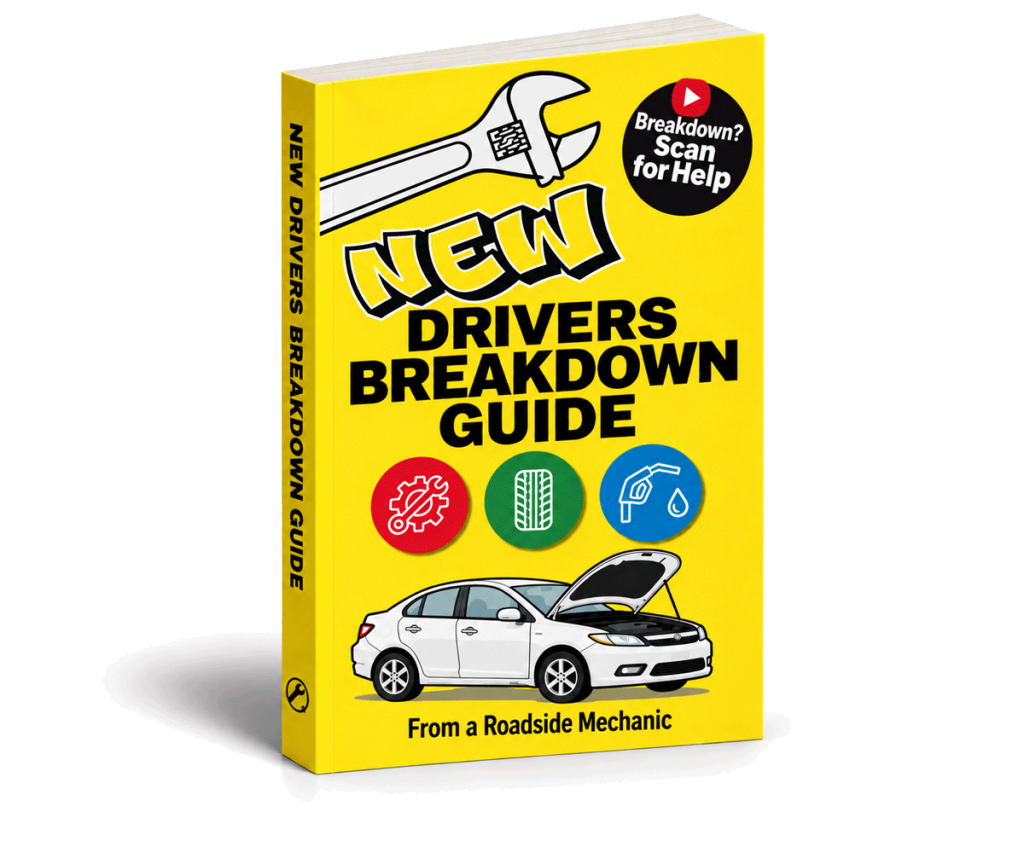
Warning light? Won’t start? Weird noise?
Something smells expensive?
DON’T PANIC. KNOW WHAT TO DO NEXT.
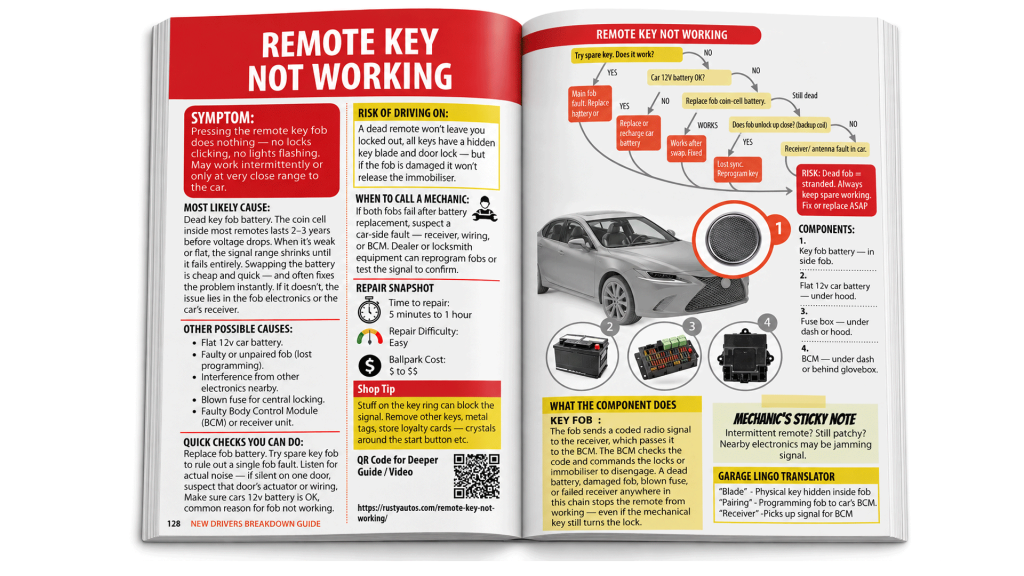
The New Driver’s Breakdown Guide gives you the car know-how nobody taught you.
- About the Author
- Latest Posts

Meet Northcap, a seasoned mechanic and roadside assistance expert with over 20 years of hands-on experience. At Rustyautos.com, Northcap shares exclusive insights into what really breaks down in cars, offering practical tips and real-world advice to keep drivers informed and their cars on the road.